
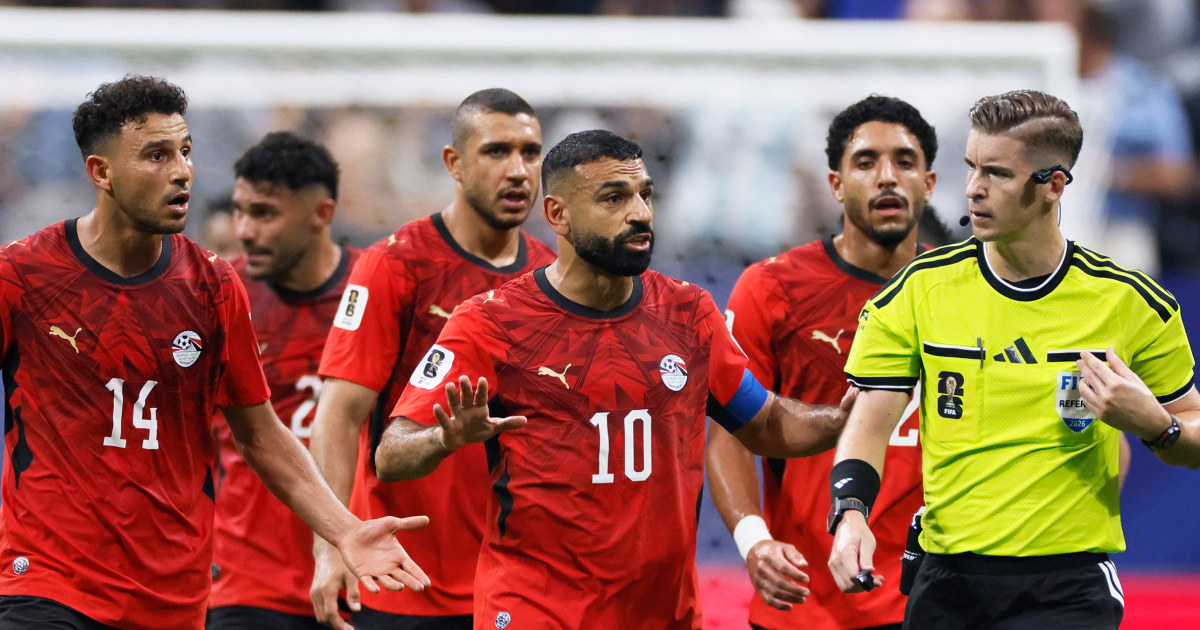
FIFA’s refereeing chief, Pierluigi Collina, has come forward to defend the officiating during Argentina’s 3-2 win against Egypt in the World Cup round of 16. Following Egypt’s complaints about potential bias and controversial calls, Collina emphasized the autonomy of match officials and the integrity of the refereeing process.
Defending the Integrity of Officiating
In a recent interview on inside.fifa.com, Collina addressed the ongoing criticism aimed at referees, especially following Egypt’s exit from the tournament. While he recognized that discussions about officiating are common in soccer, he firmly rejected unfounded allegations questioning the integrity of the match officials. “Constructive discussion about decisions will always be part of football,” Collina stated, “but unfounded allegations have no place in our sport.”
Moreover, FIFA President Gianni Infantino also weighed in on the matter, underscoring that no external pressures influence the decisions made by referees. He guaranteed that FIFA refereeing remains unaffected by anyone, reinforcing a culture of trust within the officiating community.
Concerns Over Referee Threats
Collina expressed serious concerns that baseless allegations could potentially lead to dangers for referees and their families. He highlighted the importance of maintaining a respectful discourse about officiating decisions in order to protect those who are vital to the game. Egypt, having recently lost the match, asserted that they were not only unfairly treated but also raised doubts regarding several key refereeing decisions that they felt affected the game’s outcome.
After the match, Egyptian coach Hossam Hassan claimed that there may have been pressures on referees to ensure Argentina’s progression in the tournament. The Egyptian Football Association voiced similar concerns, stating that multiple significant incidents had left them questioning the fairness and consistency of the refereeing throughout the match.
Controversies and VAR Decisions
The Egyptian side was particularly aggrieved by the disallowance of Mostafa Zico’s second-half goal, which they argued was due to a non-existent foul in the buildup. They also contested the lack of a penalty for a challenge on Mohamed Salah just before Argentina scored their winning goal. Collina defended the decisions made, asserting that VAR had correctly identified a foul by Marwan Attia on Argentina defender Lisandro Martínez, justifying the annulment of Zico’s goal.
According to Collina, VAR is invaluable in ensuring that legitimate fouls are recognized, regardless of whether or not they seem immediately obvious. He also defended the decision not to award a penalty for the incident involving Salah, explaining that both the referee and VAR deemed the contact to be a standard occurrence in football.
While acknowledging that some decisions carry a degree of subjectivity, Collina confirmed that FIFA is content with how VAR has been implemented throughout the tournament. “We believe that a foul is a foul,” he concluded, reiterating the commitment to maintaining integrity within the officiating ranks during high-stakes competitions like the World Cup.