
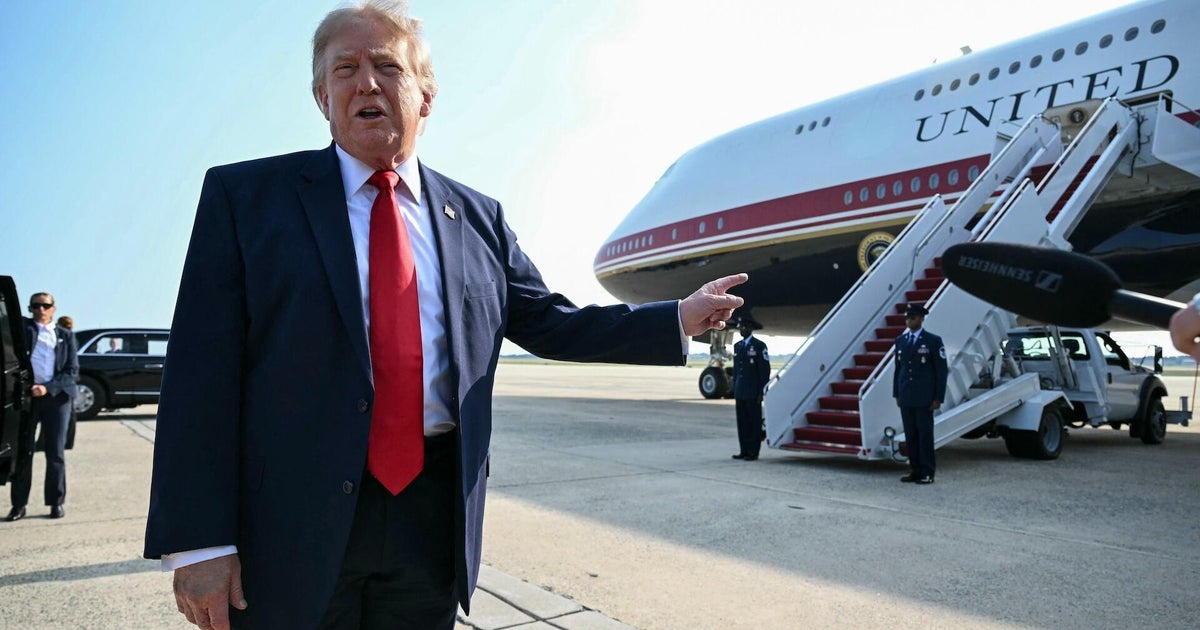
In recent discussions surrounding former President Donald Trump, one intriguing topic has emerged: the Secret Service’s recommendations regarding the use of Qatari-donated Air Force One. This contentious issue raises questions about security, diplomatic relationships, and the implications of foreign contributions.
The Role of the Secret Service
The U.S. Secret Service is tasked primarily with protecting the nation’s leaders, which includes evaluating potential threats and ensuring the safety of high-profile figures. As part of their mandate, they assess equipment, vehicles, and infrastructure to confirm that these are secure for use. In the case of the specially-designed aircraft gifted by Qatar, the Secret Service expressed reservations. Their advice focused on the potential risks associated with utilizing aircraft obtained through foreign donations, emphasizing the need for absolute security when it comes to presidential travel.
Concerns Over Foreign Donations
Using foreign-donated assets for presidential functions opens a Pandora’s box of ethical and security dilemmas. Critics argue that accepting gifts from other nations could lead to perceived influence or even subtle coercion, where foreign interests might unduly sway U.S. policies or decisions. The implications of this can be particularly troubling, especially in contexts where international relations are strained. By prioritizing national security and adhering to protocols, the Secret Service aims to mitigate these risks, safeguarding against potential exploitation.
The Impact on U.S.-Qatar Relations
The controversy surrounding the Qatari donation has sparked broader debates about U.S.-Qatar relations. While Qatar has positioned itself as a strategic ally in the Middle East, the intricacies of this relationship are often scrutinized. The incident invites questions about how foreign nations can interact with U.S. leadership and what this means for diplomatic ties. Ensuring the integrity of national security while nurturing beneficial alliances is a delicate balancing act that U.S. leaders must navigate.
Public Perception and Media Coverage
Public reaction to the Secret Service’s advice has been mixed, with media coverage echoing various perspectives. Some view the decision as a prudent measure aimed at safeguarding national interests, while others criticize it as a reluctance to embrace international goodwill. This split in opinion underscores the diverse viewpoints within the American populace regarding foreign influence, security, and presidential conduct. How the narrative unfolds in the media can sway public sentiment and shape the discourse surrounding future diplomatic engagements.
In summary, the Secret Service’s recommendation concerning Qatari-donated Air Force One raises significant questions about security, ethics, and diplomacy. As this conversation continues, it serves as a reminder of the complexity surrounding foreign relations and the importance of maintaining national security in all circumstances. With the landscape of international relations ever-evolving, the responsibilities that come with leadership require careful consideration of both safety and strategic alliance-building.