
Airstrikes Strike Iran Amid Ongoing Tensions
In a concerning development on the geopolitical landscape of the Middle East, unclaimed airstrikes struck various locations in southern Iran on Friday. This incident raises significant questions regarding the potential motivations and parties involved, particularly in light of the U.S. asserting the conclusion of its own attacks earlier that week.
Airstrikes Amid Domestic Mourning
The strikes occurred as Iran prepared for the mourning rites of its late Supreme Leader, Ayatollah Ali Khamenei. Officials from the Iranian government have so far refrained from directly attributing blame for these attacks. However, an Iranian lawmaker warned the United Arab Emirates against its alleged complicity in supporting the U.S. military actions against Iran. This incident underscores the volatile nature of regional politics and the often-invisible lines between alliances and hostilities.
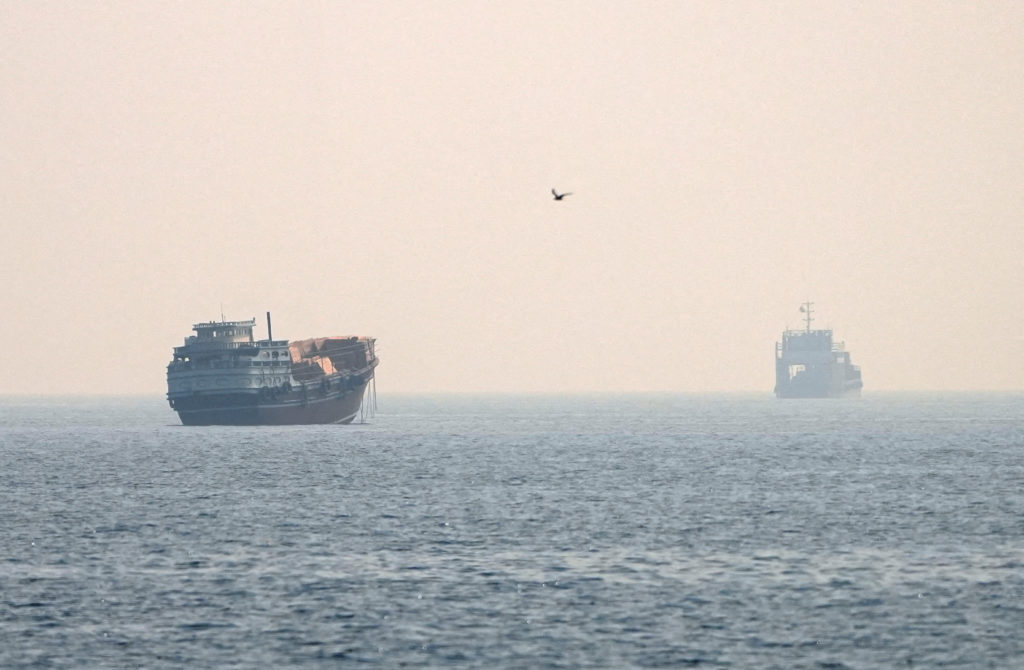
Gulf Arab states, frequently targeted by Iran since the onset of conflict on February 28, have yet to provide public commentary regarding these recent strikes. The attacks happen against the backdrop of increasing tensions over the Strait of Hormuz, a crucial waterway for global energy transport. Both the Gulf nations and the United States advocate for the strait to remain accessible for international shipping, while Iran has claimed it should control the passage and impose fees on vessels traversing the area.
Wider Regional Implications
In the wake of these airstrikes, Iran retaliated with a widespread barrage of attacks throughout the Middle East, targeting countries like Bahrain, Jordan, Kuwait, and Qatar. Sirens warning of missile attacks were sounded in these nations, leading to panic and calls for shelter among civilians. The Iranian military’s immediate response not only highlights prevailing regional tensions but also questions the state of the temporary ceasefire between Iran and the U.S.
U.S. President Donald Trump has openly declared that he considers any interim agreements with Iran to be null and void, while also emphasizing the commitment to continue diplomatic conversations aimed at achieving a lasting resolution to the conflict. Nonetheless, U.S. Central Command remained silent on operational updates after Trump’s declaration, leaving much speculation about the situation’s next steps.
The Role of Regional Powers
The geopolitical chess game extends beyond direct U.S.-Iran confrontations; regional actors like Saudi Arabia and the UAE have also engaged militarily against Iranian forces following attacks on their territory. In contrast, Israel has notably refrained from launching any new assaults against Iran since June, opting for a more cautious approach under Prime Minister Netanyahu’s leadership. His government has expressed willingness to confront Iranian aggression should the situation deteriorate further.
Iran is adamant that the Strait of Hormuz must fall under its control, causing heightened global concern regarding maritime navigation in the region. The U.S. has countered this assertion by promoting alternative shipping routes through Oman’s territorial waters to reduce risks. This ongoing standoff has generated a palpable tension in the energy markets, with oil prices fluctuating significantly since the onset of these hostilities.
Continued Threats and Future Outlook
On Friday, Iranian state media reported statements from Esmail Kousari, a member of the Iranian parliamentary committee for national security. He explicitly warned that the UAE would “pay the price” for its supposed collaboration with the United States, further complicating the already intricate relationships among Gulf states. Speculations remain that many Gulf nations have covertly supported U.S. military operations throughout the conflict, which they consistently deny.
As the situation escalates, the Joint Maritime Information Center, under U.S. Navy oversight, has advised mariners to stick to southern routes to avoid potential Iranian hostility. The ongoing discourse surrounding the maritime strategies and the security implications for shipping in the Strait of Hormuz is critical not just for regional players but also for global energy markets.
With pressures mounting from various fronts, the situation remains fluid, and the possibility of further escalations looms large. How Iran and its neighbors maneuver in this complex web of alliances will undoubtedly shape the future of their diplomatic relations and the stability of the region.