
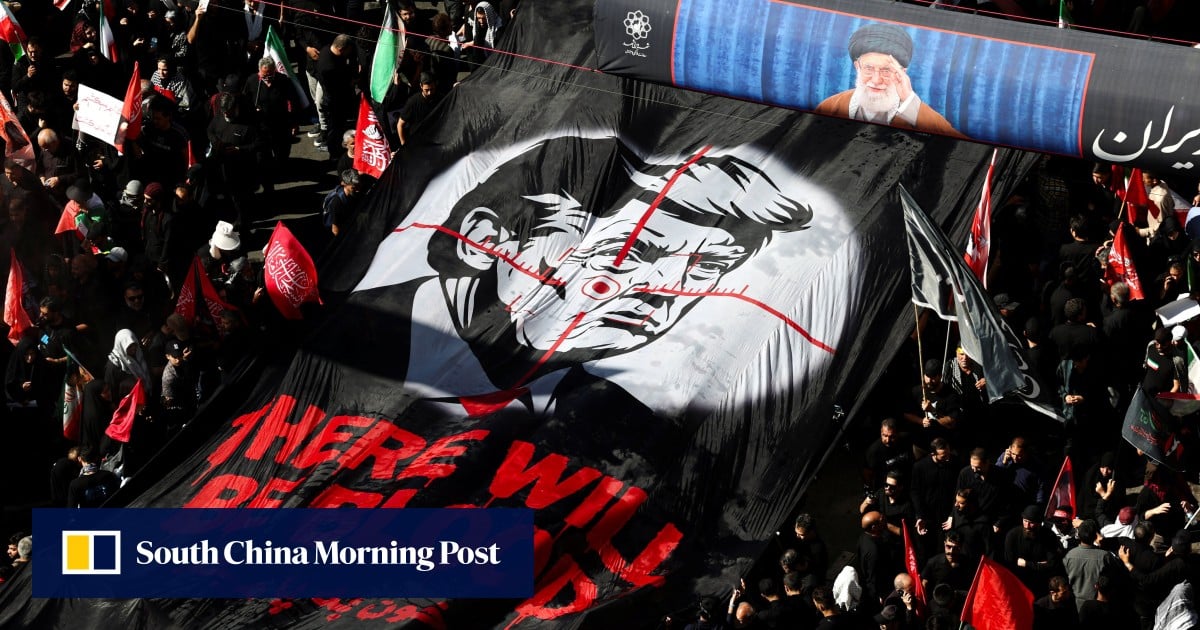
Tensions between the US and Iran have reached alarming levels, particularly in light of recent events that have further strained relations. The assassination of Iran’s top military leader and subsequent calls for revenge have escalated the rhetoric surrounding potential plots against high-ranking officials, including President Donald Trump.
Iran’s History of Targeting U.S. Officials
For several years, US intelligence and law enforcement agencies have been monitoring Iranian efforts to harm American leaders. This trend significantly intensified following a pivotal moment in January 2020: the drone strike authorized by President Trump that eliminated General Qassem Soleimani near Baghdad International Airport. This event was seen as a flashpoint that brought the two nations close to outright conflict. Since then, the Iranian government has increased its threats, vowing to take retaliatory action not just against Trump, but against key figures in his administration.
Escalating Threats Following Khamenei’s Death
As the situation unfolded, the assassination of Iran’s supreme leader, Ayatollah Ali Khamenei, during a joint US-Israeli operation at the beginning of the conflict further fueled Iran’s thirst for vengeance. The extreme reactions in Tehran demonstrated a unified demand for retaliation. During Khamenei’s funeral, crowds openly called for revenge against Trump, emphasizing a desire for governmental action to “kill Trump” as retribution. This public outcry indicates the extent of Iranian anger and the potential implications for US-Iran relations.
The Implications for International Security
The heightened aggression from Iran poses significant risks to international security. US officials must now navigate a landscape characterized by increasing hostility and direct threats against their leadership. Enhanced security protocols and collaboration between intelligence agencies have become a necessity as the US prepares for possible retaliatory actions from Iran. Furthermore, the geopolitical ramifications extend beyond the immediate conflict, as allies and adversaries alike watch the situation closely.
A Call for a Strategic Response
The current climate necessitates a strategic response from US policymakers. Engaging in dialogue with allies and employing diplomatic channels may help mitigate tensions, but the complexities of the situation require careful consideration. Iran’s threats could serve as both a warning and a motivation for increased aggression. Continual assessment of intelligence reports becomes paramount as the risk of targeted attacks on US officials looms large in the backdrop of geopolitical instability.
In summary, the ongoing estrangement between the US and Iran revolves around a cycle of violence and retaliation that is only exacerbating. The assassination of significant figures on both sides and the very public calls for vengeance demonstrate a volatile situation that necessitates careful handling to avoid further conflict.