
Introduction
A recent incident highlighted the ongoing tensions in the West Bank, where Congressman Ro Khanna was reportedly detained by Israeli settlers during a visit to a Palestinian village. This situation raises critical questions about the security of politicians in conflict zones and the broader implications for U.S.-Middle East relations.
Congressman Khanna’s Detention
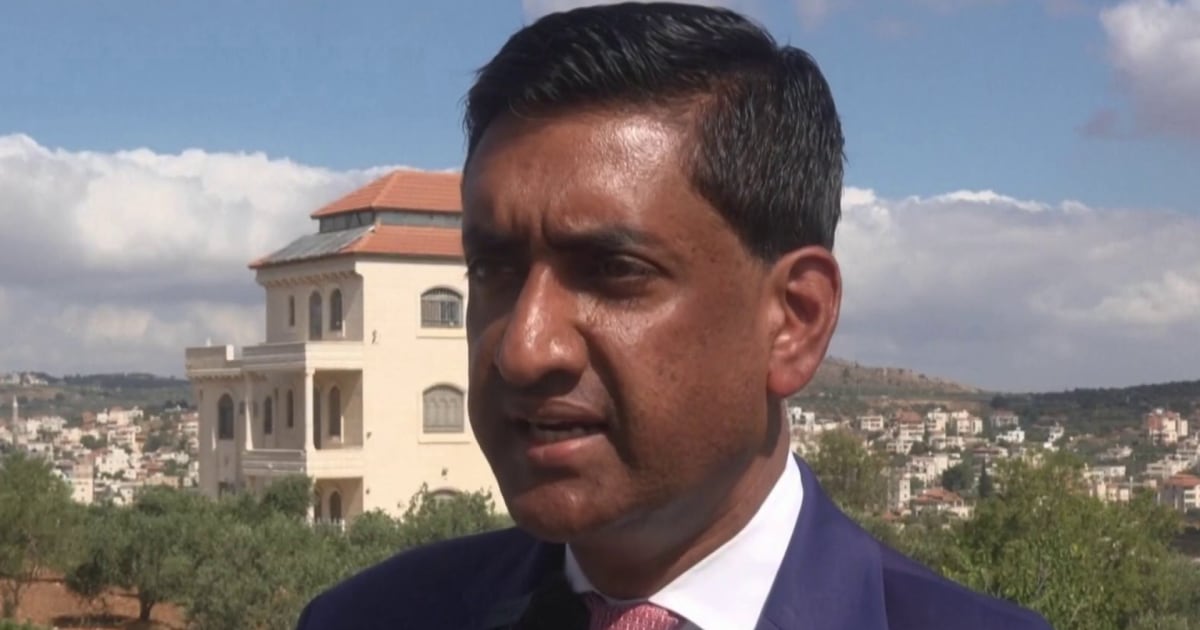
Representative Ro Khanna, a Democrat from California, experienced a distressing encounter while visiting the West Bank. Armed settlers detained him and his group, a situation that escalated to a point where Israeli soldiers arrived on the scene. To the dismay of Khanna and his companions, the soldiers appeared to side with the settlers rather than intervening to protect the American visitors. This episode serves as a stark reminder of the volatile environment that exists in certain areas of the West Bank, where tensions frequently arise between Israeli settlers and Palestinian communities.
Khanna’s reaction to the incident emphasized the need for international attention on the Palestinian plight, noting that such experiences are indicative of broader systemic issues. As a potential candidate for the 2028 presidential election, Khanna did not shy away from speaking out about the implications of his detainment, suggesting it might reinforce his commitment to advocating for a peaceful resolution in the region.
The Broader Context
This incident highlights the intricate web of tensions that define the Israeli-Palestinian conflict. Ongoing settlement expansions in Palestinian territories often lead to clashes between settlers and local inhabitants, raising concerns about human rights and international law violations. Members of the U.S. Congress have increasingly found themselves navigating this complex landscape, drawing attention to the humanitarian issues at play.
The implications of Khanna’s detention extend beyond his personal experience; they spotlight the complexities that U.S. lawmakers face while addressing foreign policy in the Middle East. This underscores the pressing need for diplomatic efforts aimed at de-escalating conflict and fostering dialogue between Israelis and Palestinians.
Implications for U.S. Policy
Khanna’s experience may influence how U.S. policymakers approach discussions about aid and support to Israel and the Palestinian territories. As a representative who has spoken out against human rights violations, Khanna’s situation may open doors for more in-depth investigations and debates within Congress regarding U.S. involvement in the region. It also raises questions about how well equipped policymakers are to advocate effectively for human rights when they encounter such risks while engaging with affected communities.
In light of these events, it is becoming increasingly clear that a multifaceted approach is necessary to address the longstanding conflicts in the region. American leaders may need to reevaluate existing strategies regarding military aid and diplomatic relations with Israel, aiming for a more balanced and fair approach that considers the rights and aspirations of Palestinians.
Conclusion
The detainment of Congressman Ro Khanna in the West Bank underscores the ongoing conflicts present in the region and their implications for U.S. foreign policy. His experience not only sheds light on the immediate risks faced by those engaging with sensitive political environments but also raises essential questions regarding the U.S.’s stance on human rights and geopolitical dynamics. As America contemplates its role in the Middle East, Khanna’s voice and experiences may significantly shape future discussions and actions in pursuit of peace.