
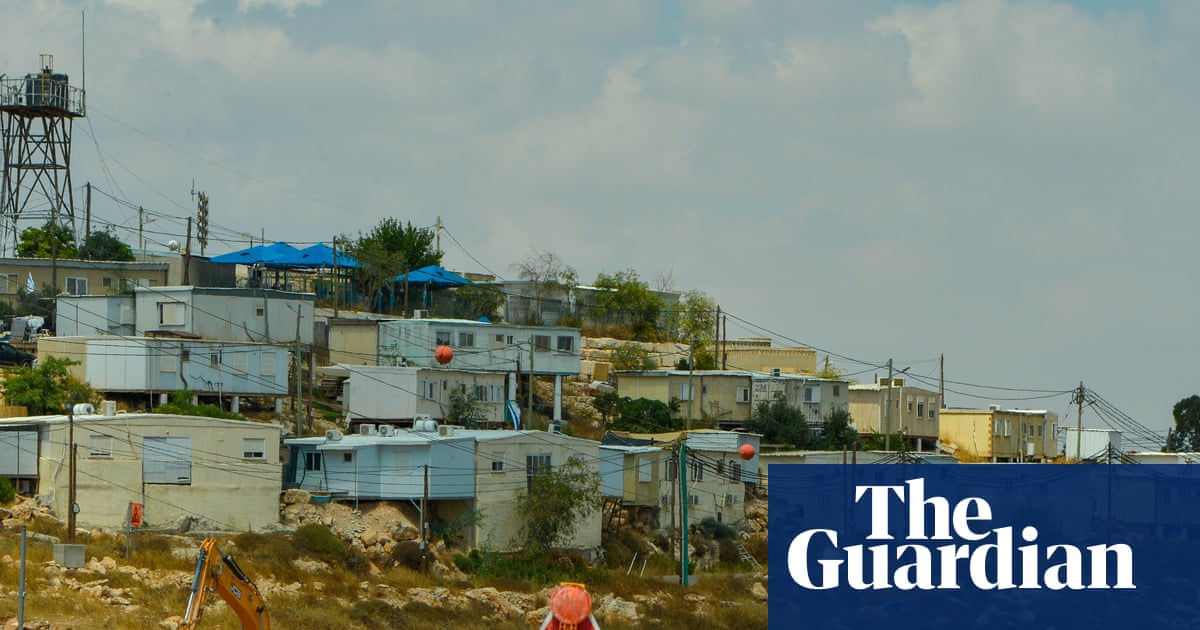
The European Union (EU) faces mounting pressure to take decisive action against trade with illegal Israeli settlements amidst an escalating humanitarian crisis in Gaza. As EU foreign ministers prepare for crucial discussions, concerns grow that the Union is indecisive on enforcing international law, particularly as allegations of genocide and violence surge against Israel.
Debate on Trade with Settlements
At a meeting scheduled in Brussels, EU foreign ministers will deliberate the possibility of banning imports from the Israeli settlements. This comes at a time when a United Nations inquiry has accused Israel of committing acts that could be classified as genocide, particularly in light of the recent surge in violence against Palestinians in Gaza and the West Bank. While the urgency is clear, internal divisions among the 27 member states may impede any immediate action. Many officials expect no significant decisions will arise from this meeting, as differing views emerge on how to handle the current situation under Prime Minister Benjamin Netanyahu’s administration.
The European Commission has suggested three potential options regarding trade: a partial or total ban on imports from the settlements, imposing high tariffs that would render trade economically unfeasible, or implementing an import licensing system. However, these options appear to be written in a cautious tone, hinting at the complexities and potential political ramifications involved, especially with upcoming elections in Israel.
The Legal Context and Member State Concerns
The looming elections on October 27 present additional considerations for EU lawmakers. Under the existing EU-Israel trade agreement, products from the occupied territories—including Gaza and the West Bank—do not benefit from preferential trade terms granted to Israel. Nonetheless, at least ten EU member states, including Belgium and Spain, assert that the bloc is obligated to cease trade with these territories, citing a ruling from the International Court of Justice (ICJ) which demanded Israel end its occupation of Palestinian lands “as rapidly as possible.”
Legal scholars echo this sentiment, emphasizing the EU’s obligation to prevent trade relations that would perpetuate the illegal situation created by Israeli policies. They argue that a trade ban on products from these settlements is necessary to comply with international law. Prominent figures, including Ignacio García Bercero, have underscored that merely imposing tariffs or other economic measures would not suffice in holding Israel accountable.
Concerns Over Mislabeling and Compliance
Investigative reports by NGOs reveal that many agricultural products from occupied territories are misrepresented as being from Israel, leading to unlawful trade practices. Such practices not only violate international law but also complicate the EU’s ability to maintain its legal integrity. Following this meeting, the ministers will not convene in a decision-making capacity until October, further delaying potential action against illegal settlements.
The urgency of the situation cannot be overstated. Each month that passes without a concrete decision increases the EU’s liability for allowing trade with what many consider an unlawful occupation. Legal experts warn that inaction only deepens the EU’s complicity in the humanitarian crisis at hand. Advocates assert that the call for a ban should not merely be an “option,” as they believe it is the only legal course of action.
In conclusion, the EU’s failure to act decisively on this issue, especially in light of growing evidence and public outcry, reflects deeper complexities within its foreign policy approach. Whether this meeting will galvanize member states to unify on a more stringent policy regarding trade with illegal Israeli settlements remains to be seen, but the stakes are undeniably high.