
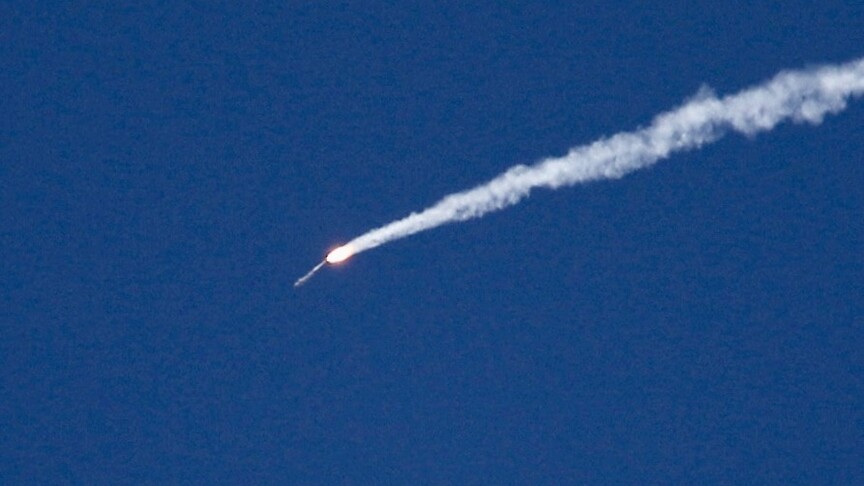
The recent escalation in tensions involving Iran and various Gulf nations has raised alarms across the region. The United Arab Emirates (UAE) reported successful interception of weaponry, including missiles and drones, which Iran’s military forces assert were intended to target U.S. military installations in neighboring countries. This situation underscores the fragile security dynamics in the Middle East.
UAE’s Interception of Threats
On Sunday, the UAE Ministry of Defense confirmed that their air defense systems were operationally engaged, successfully intercepting incoming Iranian missiles and drones. Explosions reported across the country corresponded to these interceptions, showcasing the UAE’s proactive measures to protect its airspace. Officials urged residents to remain vigilant and heed safety guidelines in light of potential threats.
In the wake of these events, neighboring Qatar heightened its security posture, advising citizens to stay indoors. The Interior Ministry warned that the threat level was elevated and encouraged individuals to follow official directives. This response highlights the urgency of maintaining public safety amid ongoing regional tensions.
Regional Reactions and Precautions
Bahrain also reacted to the situation by activating air raid sirens, prompting its citizens to remain calm and seek safe havens. The Ministry of Interior’s communications aimed to reassure the public while emphasizing the importance of remaining alert. As the situation unfolded, reports showed that Kuwait’s Armed Forces were intercepting aerial threats within their borders as well.
In dramatic claims, the Islamic Revolutionary Guard Corps (IRGC) boasted of striking a U.S. military base in Jordan, asserting they had targeted crucial infrastructure, including the command center and drone facilities. This move represents a significant escalation and a bold stance by Iran, reiterating its commitment to responding to perceived U.S. aggression with force.
Iran’s Retaliatory Actions
The IRGC declared that in response to U.S. actions, it had initiated a series of assaults on various military locations. They reported utilizing drone strikes against a Patriot defense system in Kuwait and targeting the U.S. Al Udeid Air Base in Qatar. These claims point to a troubling cycle of retaliation that could further destabilize the region.
Even more concerning, the IRGC claimed responsibility for targeting logistical bases in Oman, alleging significant destruction. These aggressive maneuvers from Iran come amid warnings that any continued assaults from the U.S. would provoke even more forceful reactions. The regional security landscape is precariously balanced, with both sides now embroiled in a potentially escalating conflict.
The Broader Implications
The frequent exchanges of fire and retaliatory strikes in the Gulf present not only a regional security threat but also pose risks to global maritime trade. With the strategic Strait of Hormuz being a critical artery for oil shipments, any disruptions could have far-reaching economic impacts. Rising tensions in this area demand international attention, as they can escalate into wider conflicts involving multiple nations.
As authorities across the Gulf prepare for potential future hostilities, the necessity for diplomatic efforts to de-escalate tensions becomes increasingly vital. Maintaining peace in such a volatile region will require cooperation and understanding to navigate complex geopolitical relationships and avert further conflict escalation.