
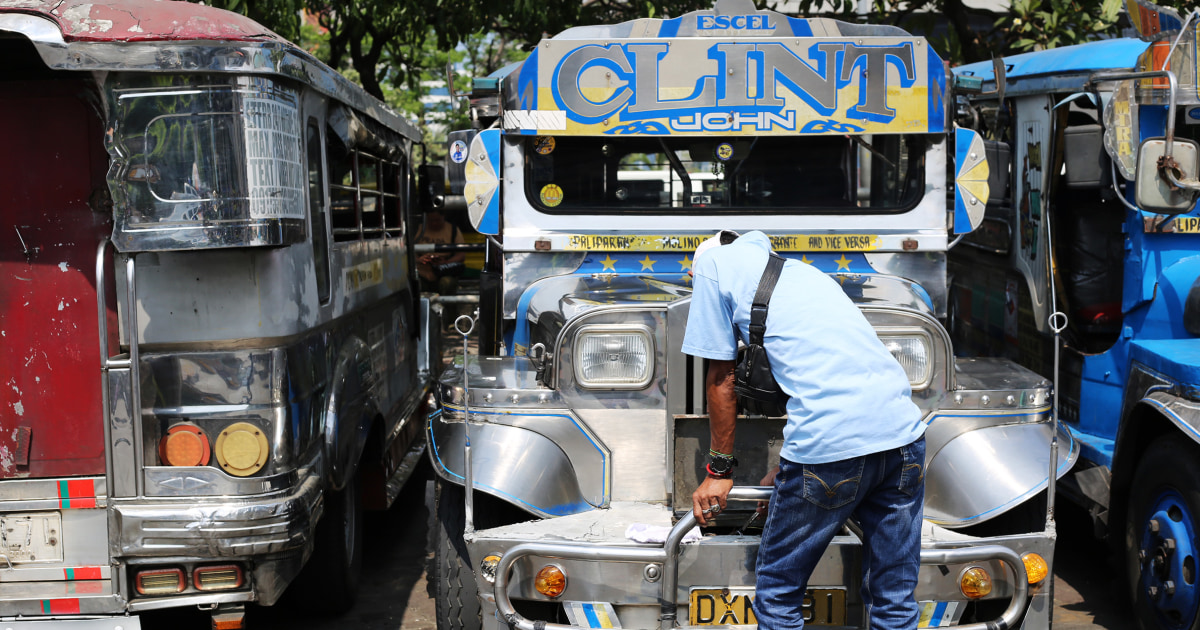
Manila, Philippines, has been synonymous with jeepneys, a popular mode of transportation for millions navigating the city’s congested streets. These U.S.-inspired vehicles have offered an affordable solution for commuters, making them a staple in daily life. However, rising fuel costs, exacerbated by global tensions, have prompted the government to consider phasing out these iconic vehicles, thereby creating uncertainty for many drivers and passengers alike.
Jeepneys: The Heart of Manila’s Transportation
Jeepneys have long served as the backbone of public transportation in Metro Manila. These vibrant vehicles can be seen weaving through traffic, transporting passengers to their destinations at minimal costs. The affordability of jeepneys has made them a preferred choice for the working class seeking efficient transit options in a city infamous for its gridlocked roads. Despite their cultural significance, the sustainability of jeepneys is under scrutiny due to external economic pressures.
The Impact of Rising Fuel Prices
Recent geopolitical events, particularly conflicts that affect oil supply lines, have caused fuel prices to skyrocket. As fuel becomes increasingly expensive, many jeepney drivers are faced with the dilemma of whether to continue operating at a loss or to leave their livelihoods behind. With their primary source of income jeopardized, these drivers now find themselves in a precarious financial position. The government’s push toward modernization, aimed at improving public transport efficiency and reducing emissions, reinforces the urgency of resolving this crisis.
Government Initiatives for Modernization
In response to the challenges faced by jeepney drivers and the environmental responsibilities that come with public transport, the Philippine government has introduced modernization initiatives. These plans include transitioning to more eco-friendly vehicles that comply with stricter emissions standards. While the intent is to modernize the public transport system, many drivers feel anxious about potential job losses and the costs associated with transitioning to new vehicles. Efforts must balance environmental goals with the financial realities facing those who depend on jeepneys for their livelihoods.
The Future of Public Transportation in Manila
The future of jeepneys is uncertain, as debates continue regarding their role in Manila’s transport landscape. Transitioning to modern vehicles could provide a solution to issues related to pollution and traffic congestion, yet it raises concerns about accessibility and affordability. For millions of commuters who rely on jeepneys daily, any shifts in the transportation paradigm must prioritize ease of access and cost-effectiveness. There is an urgent need for dialogue among stakeholders, including drivers, commuters, and policymakers, to ensure that the transition to modernization does not sacrifice the very essence of what makes jeepneys a cherished part of Manila’s identity.
In conclusion, while the jeepney has stood as a symbol of Filipino ingenuity and resilience, the pressing realities of fuel costs and environmental concerns necessitate a reevaluation of public transportation in Manila. Balancing modernization with the needs of drivers and commuters will be crucial in ensuring that this iconic mode of transport retains its place in the bustling streets of the Philippine capital. The choices made today will shape not just the future of jeepneys but the entire transportation ecosystem of Manila.