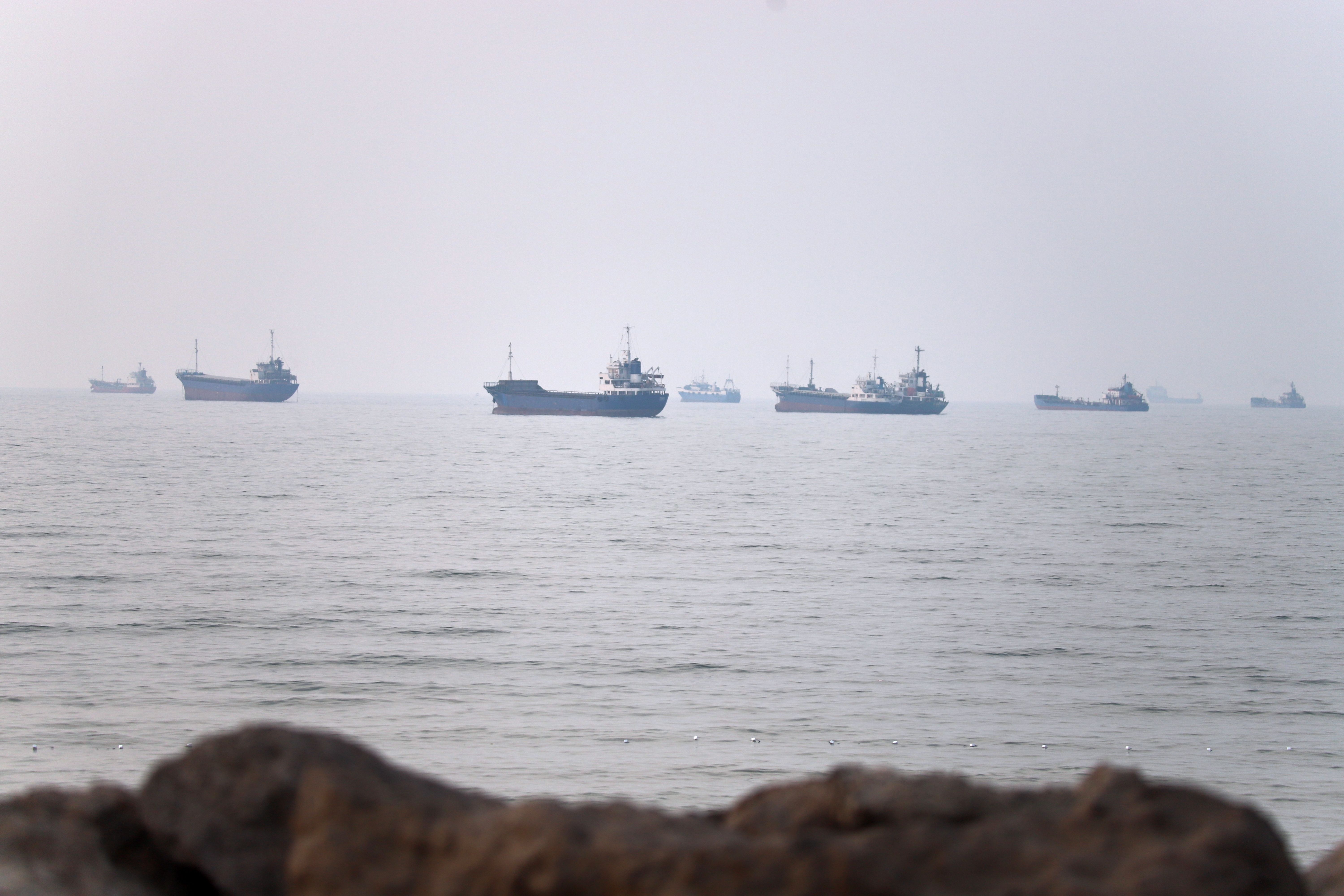
U.S. Central Command has confirmed recent military actions against Iran following an attack by the Iranian navy on a container ship in the strategically important Strait of Hormuz. This incident marked a significant escalation in tensions as Iran defied a U.S. ultimatum demanding the reopening of the essential waterway for safe maritime traffic.
Iran’s Defiant Actions in the Strait of Hormuz
Just hours prior to the U.S. announcement, Iranian Foreign Minister Abbas Araghchi had engaged in talks with his Omani counterpart regarding safe passage in the Strait. However, no concrete commitments were made, and the chances of restoring normal operations in the area appeared bleak. Iran’s aggressive stance intensified after it announced the attack was a warning signal to shipping traffic, asserting that they would keep the strait closed until “the end of U.S. interference in the region.”
The Iranian navy claimed their attack was a response to several vessels allegedly attempting to navigate through “unapproved routes” and ignoring established protocols for transit. In a show of force, Iran warned that any U.S. retaliation would be met with a strong military response.
U.S. Military Response and Iranian Claims
While the specifics of the U.S. strikes were not immediately disclosed, Iran’s state-run media reported explosions in southern cities that have previously been targets of American military actions. The attacks reportedly affected military installations in Bushehr and Deyr, although details regarding casualties remained unclear.
In response to the escalating conflict, the United Arab Emirates’ defense ministry announced it was intercepting missile and drone attacks attributed to Iran. Similarly, Qatar’s defense ministry confirmed it was actively countering missile threats, although it did not specify their origin.
The situation escalated further after a week of skirmishes in the Strait, where U.S. officials indicated that Iran had launched attacks on three separate vessels, despite Tehran denying responsibility for those earlier incidents. These ongoing confrontations prompted the U.S. to issue a stern ultimatum, insisting that Iran publicly denounce any further aggression towards commercial shipping and permit free navigation through the strait.
Political Tensions and Market Implications
The recent hostilities have heightened political tensions between President Donald Trump and Iran’s Supreme Leader, Ayatollah Mojtaba Khamenei. The exchange of threats came shortly after a week filled with intense debates over security in the Strait of Hormuz, with both leaders vowing retaliatory actions following the loss of life during previous military conflicts.
As these developments unfold, financial and energy markets are poised for further instability. Reports indicate that daily maritime traffic through the strait has recently plummeted to a significant low, suggesting a growing unwillingness among shipping companies to risk navigating through the area. Consequently, Brent crude oil prices have risen, closing near $76 per barrel, approximately 5% higher than levels observed before the onset of hostilities.
In summary, the precarious situation in the Strait of Hormuz continues to evolve, with U.S. military actions, Iranian aggression, and global trade implications all at play. As both nations grapple with rising tensions, the potential for further conflict raises significant concerns for international maritime trade and regional stability.