
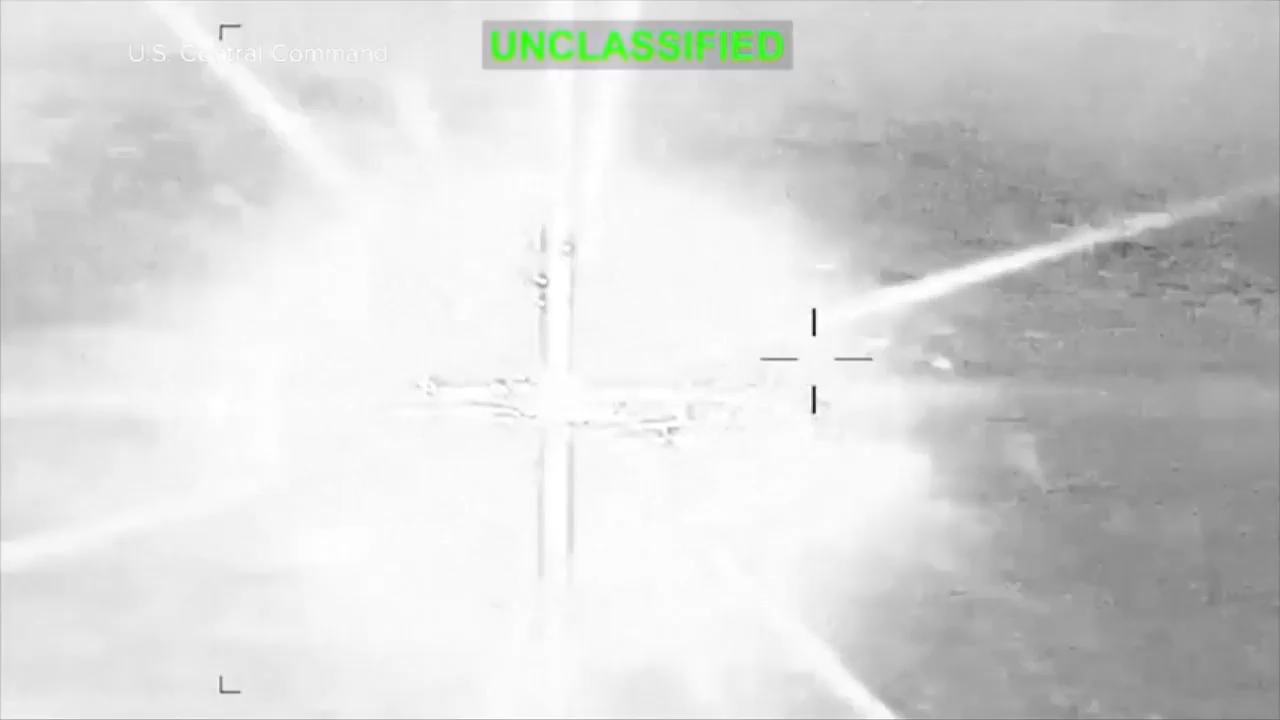
The ongoing tension between the United States and Iran has escalated dramatically following a recent attack on a shipping vessel. Early Sunday morning, the U.S. military launched strikes in response to an Iranian assault in the Strait of Hormuz that set a container ship ablaze and forced its crew to evacuate. This incident has rapidly intensified hostilities in an already volatile region.
Iran’s Retaliation and Regional Unrest
In retaliation for the American attacks, Iran targeted several countries in the Middle East, including Bahrain, Kuwait, Qatar, Oman, and Jordan. These developments have raised significant concerns about the feasibility of reaching a lasting resolution to a conflict that reignited on February 28. The Strait of Hormuz, a pivotal shipping route for oil and gas exports, remains a focal point of these escalating tensions and a complicating factor in ongoing negotiations.
In a statement, U.S. Central Command reported that its forces hit approximately 140 targets, focusing on missile and drone launch sites, ammunition depots, and communication infrastructures, aiming to diminish Iran’s capabilities to threaten maritime traffic. U.S. Defense Secretary Pete Hegseth commented that Iran “made a poor choice” and would now face the consequences of its actions.
Attacks on Gulf Nations
Early on Sunday, missile alerts rang across several Gulf nations. Qatar’s military reported intercepting incoming Iranian missiles, while explosions were heard in the neighboring United Arab Emirates. The Interior Ministry of Qatar mentioned that three individuals, including a child, sustained injuries from shrapnel during these interceptions.
Bahrain, home to the U.S. Navy’s 5th Fleet, also faced warnings, with Kuwait verifying it was intercepting incoming attacks. Meanwhile, drones launched by Iranian forces struck areas in Oman, coinciding with diplomatic discussions between the two countries. Oman lodged a protest with Iran regarding these assaults.
In Jordan, Iranian missiles caused minor damages with no reported injuries. Alarm sirens were also activated in the UAE, although officials stated that missiles did not penetrate its borders, shielding the nation from direct confrontation so far.
Impact on Maritime Security and Global Energy
On Saturday, an Iranian strike targeting a Cyprus-flagged container ship in the Strait of Hormuz resulted in substantial engine damage and left a civilian crew member missing. All crew members were Indian nationals, prompting India to condemn the attack and push for unimpeded navigation through the strait. Before the conflict began, around 20% of the world’s oil and gas trade passed through this critical waterway. Iran’s increasing grip over it has incited a global energy crisis, although recent fluctuations have seen oil prices drop significantly from wartime highs.
Despite a ceasefire agreement aimed at lasting peace that began on June 17, active violence continues to disrupt diplomatic efforts. The U.S. conducted multiple airstrikes last week targeting Iranian assets in response to earlier threats to maritime safety. Iran maintained that it needs to control the strait and insisted on the ability to charge vessels for passage.
Continued Diplomatic Efforts Amid Violence
This escalation in violence came right after the foreign ministers of Iran and Oman held discussions to address stability in the Strait of Hormuz. The strait, part of both Iran’s and Oman’s territorial waters, has traditionally been viewed as an international passage. While Oman indicated a willingness to further negotiations, Iran has not clearly stated its position regarding free navigation, a key point desired by the Trump administration.
Amidst these developments, President Trump suggested that the interim deal intended to halt aggression in the region had run its course. Nevertheless, mediators, including representatives from Pakistan, Qatar, and Egypt, remain committed to pursuing a ceasefire agreement. As the situation continues to evolve, Iran’s leadership is unwavering in its resolve to retaliate against perceived adversaries, stressing that their actions at the onset of the conflict will not go unpunished.