
Israeli-U.S. Relations and Rising Tensions with Iran
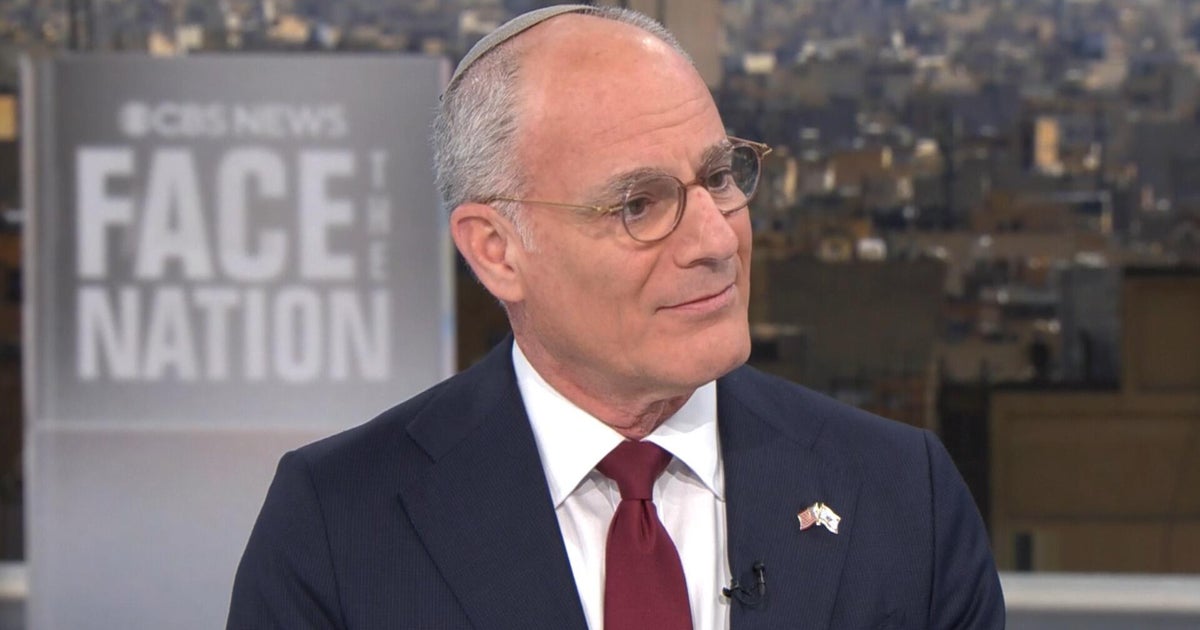
On “Face the Nation,” the Israeli Ambassador to the United States, Michael Leiter, indicated that Israel is ready to resume military actions against Iran if prompted by the U.S. This statement comes amid increasing hostilities between the two nations. The ambassador’s remarks also touched upon a recent incident involving Rep. Ro Khanna, who alleged he was held by Israeli settlers in the West Bank.
Israel’s Preparedness for Military Action
Michael Leiter emphasized Israel’s willingness to engage in conflict with Iran should it be deemed necessary by U.S. authorities. This declaration highlights Israel’s proactive stance towards its security and its dependence on U.S. support. The geopolitical landscape in the Middle East is rapidly evolving, and Israel’s readiness to act reflects a deep-seated concern regarding Iran’s influence and military capabilities in the region.
The implications of this readiness extend far beyond Israel’s borders. If military operations were to resume, the repercussions could destabilize not just Israel and Iran but also have a ripple effect across the Middle East. Such actions could intensify existing conflicts and draw in other nations, making this a pivotal moment for international diplomacy.
U.S. and Iran: The Current Landscape
The tension between the U.S. and Iran has been escalating as both countries engage in a war of words and actions. Iranian forces have executed attacks targeting U.S. interests, leading to increased military preparedness and responses from the U.S. This back-and-forth contributes to a volatile environment where diplomatic efforts seem increasingly futile.
The U.S. faces a significant challenge in balancing its regional strategy while responding to provocations from Iran. Each action taken may result in unintended consequences, warranting careful consideration of military and diplomatic options. The situation illustrates that engaging with adversaries requires not just negotiation but also a keen awareness of the fragile geopolitical dynamics at play.
Repercussions for U.S. Lawmakers
In an unexpected twist, Rep. Ro Khanna shared that he was detained by Israeli settlers during a recent visit to the West Bank. This incident raises critical questions about the treatment of U.S. lawmakers abroad, particularly in relation to Israel’s ongoing policies in occupied territories. Such detentions may impede diplomacy and strain relations between the U.S. and Israel.
Khanna’s experience highlights the complexities faced by U.S. representatives who engage with contentious regions. The implications of his detention may resonate beyond his personal experience, prompting discussions about the broader issues surrounding human rights and governance in Israel and Palestine. As U.S. lawmakers confront these realities, the need for a balanced approach to foreign policy becomes increasingly crucial.
In summary, the remarks made by Israeli Ambassador Michael Leiter on “Face the Nation” not only underline Israel’s readiness to engage militarily with Iran if necessary but also encapsulate the intricate and often volatile nature of U.S.-Middle Eastern relations. As tensions rise and incidents like Khanna’s detention occur, the path to peace becomes more convoluted, necessitating a careful analysis of all stakeholders involved. It is vital for the U.S. to navigate these murky waters with a strategy that emphasizes diplomacy and seeks to mitigate conflict.