
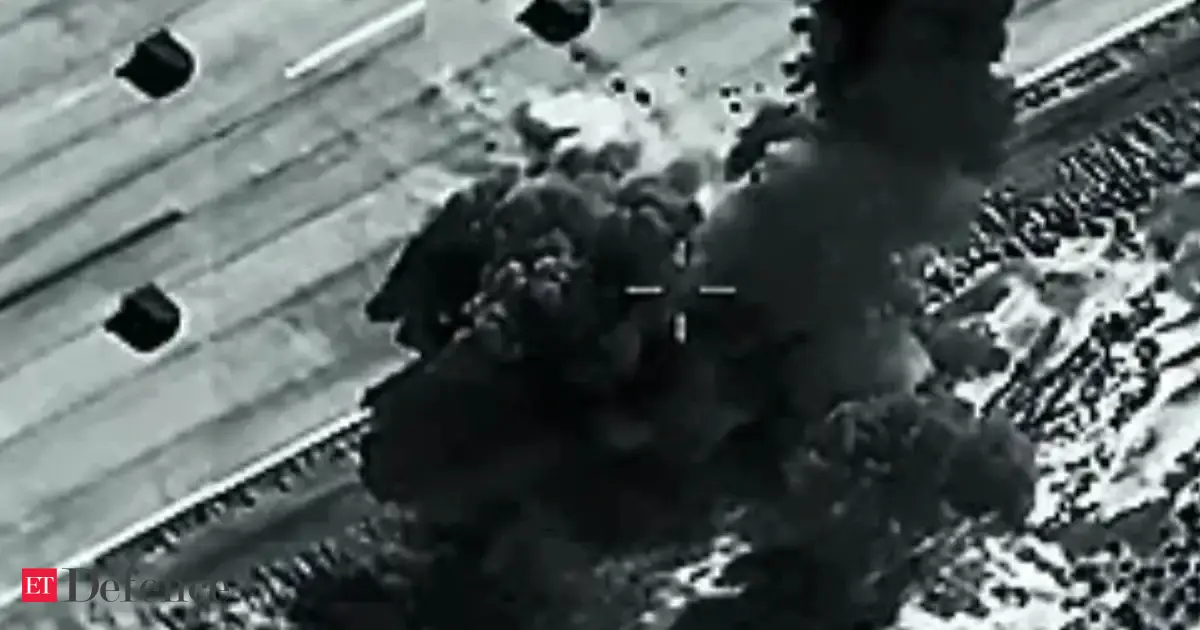
The situation in the Gulf region intensified recently as the United Arab Emirates (UAE) reported its air defense systems were actively responding to threats from incoming missiles and drones. This alarming development coincided with audible explosions in Doha, Qatar’s capital, prompting local authorities to issue security alerts to residents’ mobile devices. The backdrop of this chaos includes recent U.S. military strikes targeting Iranian assets, significantly escalating tensions in an already volatile area.
UAE’s Air Defense Response
On Sunday, the UAE’s Defence Ministry confirmed that air defense mechanisms were in full operation against perceived missile threats. The National Emergency Crisis and Disaster Management Authority took proactive measures by advising citizens to remain calm while adhering to official guidance. This response underlines the heightened state of alert in the region as military activities rise.
In a separate announcement, the UAE Defense Ministry reiterated its commitment to safeguarding national security. The ongoing engagement with suspected airborne threats underscores the precariousness of the current military situation. As regional dynamics worsen, the need for precise communication to the public and swift action is paramount.
Explosions and Security Alerts in Qatar
Simultaneously, explosions were reported in Doha, raising concerns about the spillover effects of the conflict into neighboring countries. Witnesses relayed that these incidents coincided with alerts sent by the Qatari government, underscoring the seriousness of the situation. The impact of hostilities has extended beyond the UAE, indicating a possible escalation of military tension across the Gulf states.
These incidents unfolded shortly after the United States conducted airstrikes targeting Iranian positions. The U.S. attributed the strikes to what it described as Iran’s blatant aggression, especially in relation to an attack on a Cyprus-flagged container ship navigating the strategic Strait of Hormuz. This action not only elevates military confrontations but also raises the stakes for Gulf nations reliant on maritime trade and energy exports.
Impact on Global Energy Security
The current hostilities and military actions have led to widespread apprehensions regarding the security of Gulf nations and the safety of global energy supplies. The Strait of Hormuz is a vital corridor for oil and gas shipments worldwide, making geopolitical stability in this area critical. Iran’s declaration of a closure in the Strait of Hormuz adds another layer of tension, with officials warning that unauthorized incursions could provoke severe repercussions.
As nations navigate this growing unrest, the ripple effects on energy markets and international relations are already palpable. The escalation raises questions about the future of energy security, as diplomatic ties could be strained further, potentially leading to higher volatility in oil prices.
In summary, the unfolding events in the Gulf region showcase a precarious military landscape that not only threatens the stability of the UAE and Qatar but also poses risks to global energy supplies. As nations respond to the escalating tensions, the international community watches closely, bracing for potential fallout in both economic and geopolitical arenas.