
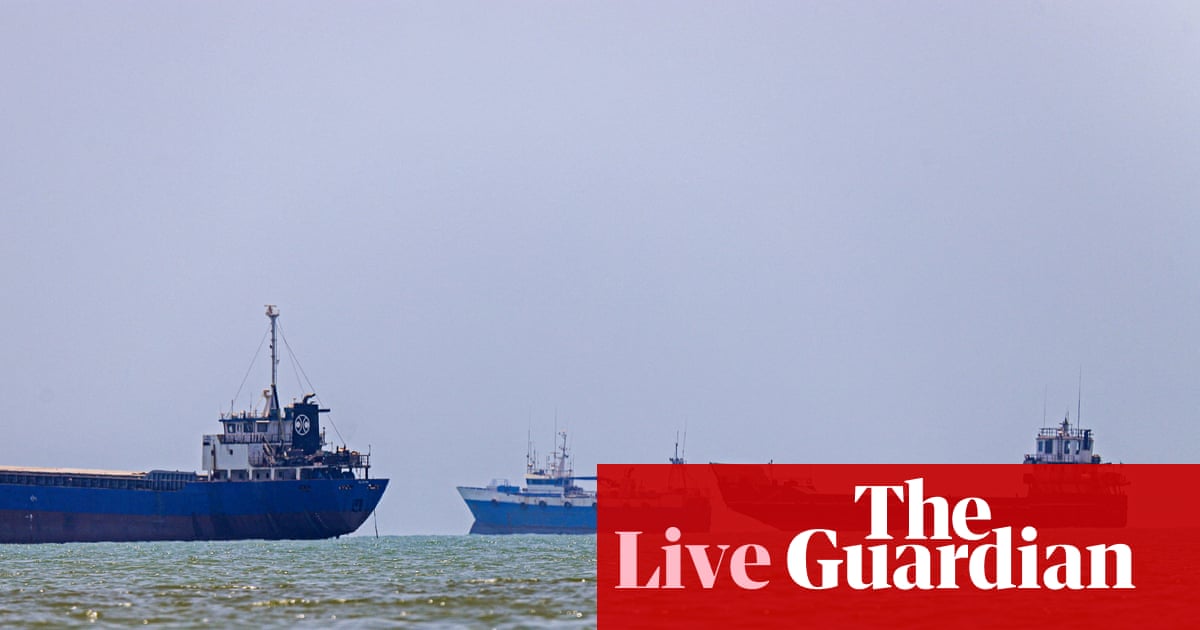
Tensions in the Middle East have escalated dramatically, particularly between the United States and Iran. The recent military exchanges, marked by missile and drone attacks, have significantly impacted regional stability and diplomatic efforts. Iran has openly challenged U.S. influence in the Gulf, while Washington intensifies its military responses, raising concerns about the potential for a broader conflict.
Renewed Military Engagements
The ongoing conflict saw a new wave of hostilities when the U.S. launched airstrikes against Iranian facilities after a series of provocations. U.S. Central Command (CENTCOM) confirmed the operations began on Sunday afternoon with the aim of dismantling Iran’s capacity to target civilian maritime activities in the Strait of Hormuz. This strategic waterway is crucial for global oil transportation, and any disruption can have significant economic consequences.
In a phone interview, the former President alluded to the military actions, stating, “We’re beating them up,” which indicates a strong stance against Iran’s provocations. The conflict has witnessed an uptick in the intensity and reach of attacks, targeting not just American assets but also affecting allies like Qatar and the United Arab Emirates. These developments point to an alarming increase in hostilities since previous months when diplomatic avenues seemed to offer some hope.
Implications for Diplomatic Efforts
This renewed aggression raises serious questions about the viability of recent diplomatic agreements aimed at stabilizing the region. An interim deal signed a month prior, which sought to end hostilities and reopen the Strait of Hormuz, now appears to be at risk. Iranian officials have claimed that the latest strikes have rendered their diplomatic efforts meaningless, reflecting a deterioration in relations.
Iran’s military rhetoric has intensified, asserting that the Strait of Hormuz is vital not only for commerce but also as a point of leverage against U.S. military presence in the region. The Revolutionary Guards have declared the strait “closed until further notice,” escalating tensions and setting the stage for potential confrontations. Yet, CENTCOM has countered these claims, stating that the strait remains open for lawful navigation, underscoring the complexities of enforcement and control in such a volatile environment.
Regional Power Dynamics
With the backdrop of these military exchanges, regional power dynamics are shifting. Countries like Kuwait and Oman have expressed concerns about their territorial integrity, affected by the ongoing conflict. Reports of missile strikes hitting Kuwaiti border posts and Iranian drones targeting platforms signal that no nation is immune from the fallout of U.S.-Iranian hostilities.
Iran’s attempt to project power through missile strikes and drone operations illustrates their strategic positioning in the region. The latest engagements in Hormuz reflect a broader strategy aimed at showcasing military might, particularly in light of international negotiations. As tensions escalate, the international community watches closely, understanding the ramifications of any sustained conflict in this crucial maritime region.
In summary, the current situation represents a precarious moment for both U.S. and Iranian interests, with ongoing military actions undermining diplomatic resolutions. The potential for further escalation looms large, impacting not only regional players but also global economic stability. As the story unfolds, experts and analysts will continue to monitor developments, with considerable implications for peace and security in the Middle East.