
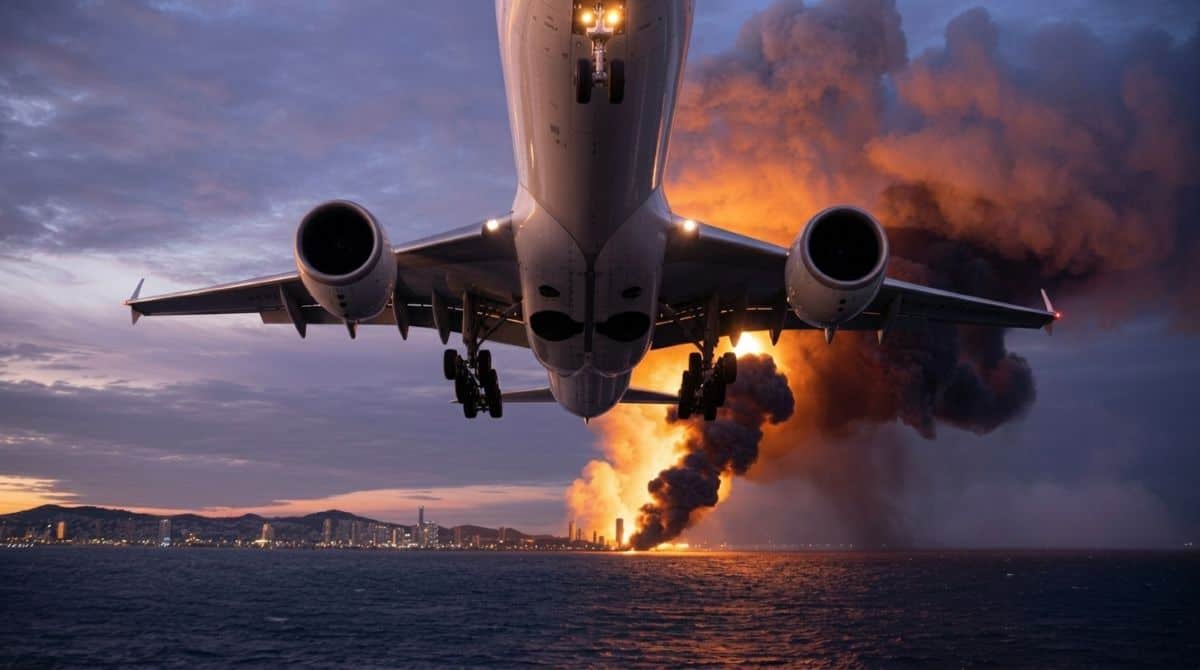
The recent missile and drone attacks by Iran have plunged the Middle East into chaos, severely disrupting aviation and travel. On July 12, 2026, coordinated strikes on Bahrain, Qatar, the UAE, and Kuwait prompted urgent air-defense actions and led to significant flight disruptions across major international airports. As a result, airlines are facing a multitude of challenges, including altered flight routes, delays, and cancellations, affecting not just regional travel but global aviation networks.
Immediate Impact on Air Travel
In the aftermath of these attacks, key airports such as Hamad International in Doha, Dubai International, and Bahrain International are still operational, but under heightened security measures. Airlines have had to reroute flights, adjust schedules, and prioritize passenger safety. This disruption is critical since the Gulf region serves as an essential aviation link between Europe, Asia, Africa, and beyond. Thus, travelers planning to fly through this corridor should prepare for potential delays and missing connections.
The International Civil Aviation Organization (ICAO) and various national authorities have stressed that passenger safety remains paramount during times of regional conflict. The strategic significance of these nations is underscored by the U.S. Energy Information Administration, which notes that about 20% of the world’s oil passes through the Strait of Hormuz, reinforcing the need for stability in the Gulf for global transportation and trade.
Airline and Airport Responses
Bahrain, Qatar, the UAE, and Kuwait have activated air-defensive systems, with reports of interceptions occurring during attempted strikes. Major hubs like Dubai and Abu Dhabi have seen defensive operations that could lead to delayed arrivals and extended flight routes. Airlines such as Emirates and Qatar Airways are adapting their schedules and rerouting flights to maintain safety while minimizing disruptions.
Travelers are advised to regularly check flight statuses through their airlines’ official websites or apps and to be aware of government advisories. Many governments have ramped up travel warnings, urging citizens to remain vigilant while traveling in or through the Gulf region. Passengers should prioritize official sources over social media to ensure they receive reliable updates.
What Travelers Should Do
Travelers heading to or from the Gulf should prepare for longer wait times, potential gate changes, and adjusted boarding procedures. Given the evolving situation, it is vital to stay flexible and monitor updates from airlines and local authorities. Pack essential items in carry-on luggage, including crucial documents, medications, and a change of clothes, to be ready for any last-minute changes.
In light of the continuing attacks, understanding passenger rights during disruptions is also important. Airlines are generally obligated to provide options for rebooking, refunds, and assistance during extended delays. Therefore, travelers should familiarize themselves with each airline’s policies before making travel plans.
In conclusion, the threat posed by Iran’s missile strikes has significantly impacted air travel in the Gulf, generating widespread disruptions that resonate far beyond the region. Passengers should stay informed, remain adaptable, and prioritize safety as international travel continues to be influenced by these developments.