
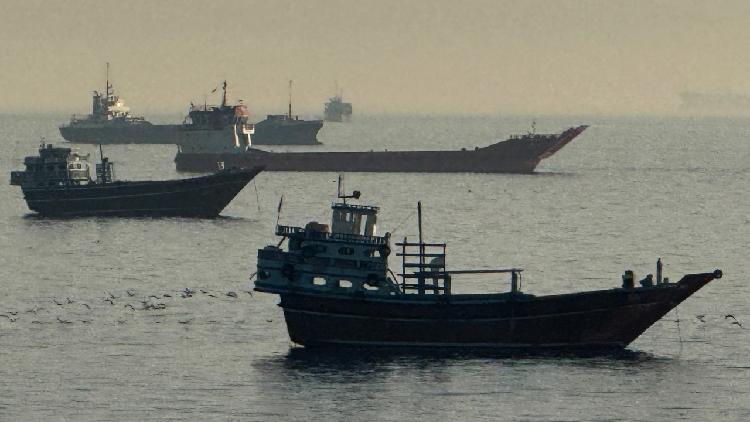
In a significant escalation of tensions in the Gulf region, Iran has reportedly closed a vital oil shipping lane, which could have far-reaching implications for global oil supply. This move comes in response to the United States’ bombing of 140 targets in a single day, marking a critical moment in ongoing geopolitical conflicts.
The Strategic Importance of the Strait of Hormuz
The Strait of Hormuz is a crucial chokepoint for world oil transportation, facilitating the transit of nearly 20% of global petroleum. Iranian control over this channel gives them significant leverage in international markets, particularly amidst rising energy prices. This strategic waterway not only carries oil shipments but also is integral to global energy security. With Iran’s decision to close the strait, concerns are intensifying about potential disruptions in oil supply, leading to fears of price hikes and economic instability across various regions.
Recent Military Actions and Their Repercussions
In recent military actions, the United States targeted 140 sites believed to be linked to Iranian interests, a significant show of force that has drawn widespread criticism and provoked fierce responses from Tehran. Iran’s military leadership has labeled this an act of aggression, indicating that the closure of the Strait of Hormuz is a retaliatory measure. Experts suggest that this escalation highlights the fragile state of Middle Eastern geopolitics and could trigger further hostilities. Such armed confrontations disrupt not only political alignments but also create uncertainty in global markets.
The Global Response and Implications for Oil Prices
The international community is watching closely as the situation unfolds. Major oil-producing nations and organizations, such as OPEC, are likely to respond to fluctuations in oil availability resulting from Iran’s actions. Analysts predict that if the closure continues, oil prices could soar, impacting everyday consumers and industries dependent on fossil fuels. Countries heavily reliant on oil imports, particularly those in Europe and Asia, may initiate diplomatic measures to mitigate potential supply shortages, further complicating already delicate international relations.
With tensions escalating at an alarming rate, the need for diplomatic intervention becomes increasingly urgent. Global powers, including EU nations, must engage in dialogue aimed at de-escalating the situation. Negotiations could involve multilateral talks focusing on security assurances for shipping lanes and economic incentives for Iran to reconsider its aggressive stance. A diplomatic approach could not only stabilize oil prices but also pave the way for a more peaceful resolution in an already volatile region.
As Iran’s actions ripple through global markets and political landscapes, the necessity for a harmonic equilibrium becomes staggeringly clear. Fostering diplomatic relations while maintaining national security interests may be the pathway to mitigating risks associated with this closure and ensuring the fluidity of oil trade worldwide. The world waits with bated breath as developments continue to unfold in this high-stakes game of geopolitical chess.