
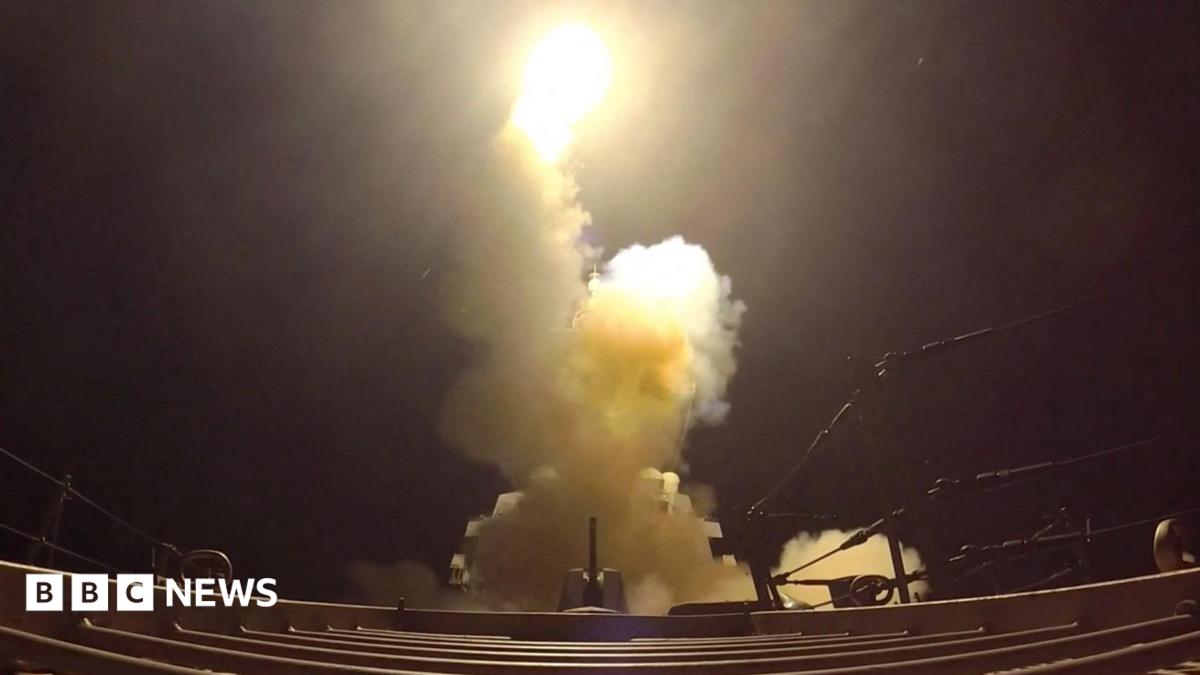
The ongoing conflict between the United States and Iran has escalated dramatically following the recent declaration by former President Donald Trump. The ceasefire, which had been in place as part of a temporary agreement, has seemingly unraveled, leading to significant military actions from both sides.
US Military Strikes Target Iran
In an aggressive series of air strikes, the United States military has conducted operations targeting various Iranian military sites overnight. These strategic strikes aimed at undermining Iran’s military capabilities focused on installations that included air defense systems and coastal radar facilities, in addition to missile and drone sites. The U.S. intends to send a strong message to Iran regarding its military posturing in the region, particularly in light of prior incidents involving Iranian aggression against commercial vessels in the crucial Strait of Hormuz.
Iran’s Retaliation and Broader Implications
In response, Iran’s Islamic Revolutionary Guard Corps (IRGC) has launched counterattacks on U.S. military bases situated in Kuwait, Jordan, and Bahrain. This retaliation highlights the escalating tensions and risks of armed conflict in the region. Tehran asserts that its military response is justified and necessary for national defense against what it perceives as U.S. aggression. The situation remains tenuous, and the potential for further escalation exists as both nations emphasize their military readiness.
Strait of Hormuz: A Flashpoint for Tensions
The Strait of Hormuz has emerged as a critical battleground in this latest chapter of U.S.-Iran relations. While Iran claims the waterway is closed, the U.S. vehemently asserts that it remains open for navigation. Centcom, the U.S. Central Command, has reiterated its commitment to ensuring that freedom of navigation is maintained for commercial shipping throughout the waterway. This dispute over maritime boundaries underscores broader geopolitical tensions and the complexities of international relations in the region.
A Ceasefire in Name Only
In June, both the U.S. and Iran had agreed to a temporary ceasefire through a memorandum of understanding, aiming to de-escalate tensions. However, the stability of this agreement has proven precarious. The former president’s recent comments declaring the ceasefire “over” and his characterization of Iran’s leadership have inflamed the situation. The return to hostilities raises concerns not only for the affected nations but also for global security and economic stability, as the region is vital for oil transportation.
As both sides ramp up military activities and rhetoric, the international community remains on alert, awaiting developments that could escalate or potentially pacify the ongoing conflict. The ramifications of this renewed aggression extend beyond the immediate region, impacting global oil markets and international diplomatic efforts aimed at averting further violence.
Stay tuned for updates and expert analysis on the evolving situation in Iran, Kuwait, Jordan, and Bahrain, as events unfold.