
The recent visit of Egyptian Defense Minister Ashraf Salem Zaher to Ankara marks a crucial transformation in the geopolitical dynamics of the Eastern Mediterranean. For years, Western nations have operated under the assumption that the ideological divide between Turkish President Recep Tayyip Erdogan and Egyptian President Abdel Fattah el-Sisi would remain a persistent aspect of the region. The long-standing rivalry between Turkey’s Islamist leadership and Egypt’s military governance was seen as a stable geopolitical constant. However, the military cooperation emerging in mid-2026 signifies a departure from this assumption, proving that foreign policy cannot be analyzed solely through ideological perspectives.
A Pragmatic Alliance Emerges
Currently, a practical and transactional alliance is forming between two distinct authoritarian regimes that are choosing to set aside historical grievances to create a revised security architecture. This cooperative effort aims to project mutual strength, redefine maritime borders, and challenge the strategic interests of Israel and its Western allies. Understanding the subtleties of this partnership requires a closer examination of the internal pressures faced by both leaders.
Turkey’s Strategic Ambitions
Erdogan remains a staunch neo-Ottoman Islamist ideologue, intent on transforming Turkey into a key sponsor of destabilizing forces in the region, particularly Hamas. His overarching strategy seeks to dismantle the post-Cold War regional framework and establish Turkey as the leading power capable of determining the Mediterranean and Red Sea’s geopolitical terms. In contrast, Sisi is struggling to manage an ailing military dictatorship coping with severe economic turmoil. Egypt’s rampant inflation and overwhelming debt burden have created a precarious internal situation, making Sisi increasingly reliant on external military collaborations to mask domestic weaknesses.
By consolidating their military assets, both regimes are positioned to gain critical advantages. Egypt stands to benefit from advanced military technologies free from Western human rights conditions, while Turkey achieves legitimacy in its maritime aspirations through a significant conventional ally.
Deepening Military Integration
The military relationship between Ankara and Cairo has transitioned from superficial dialogue to substantive, structural cooperation. Recent joint military exercises signal a deep operational alignment, with Turkish and Egyptian forces participating in complex maneuvers designed to enhance interoperability across various theaters. These exercises are not merely routine but vital components in developing a cohesive military doctrine among two of the region’s most substantial military forces.
An aggressive defense-industrial partnership further solidifies this bond, with both countries establishing local manufacturing capabilities for advanced combat drones. Egypt’s formal participation in Turkey’s KAAN fifth-generation stealth fighter program serves as a critical example, enabling both nations to bypass Western export restrictions while challenging Israel’s military superiority. This collaboration poses a formidable threat to Israel’s longstanding air dominance.
Implications for Regional Geopolitics
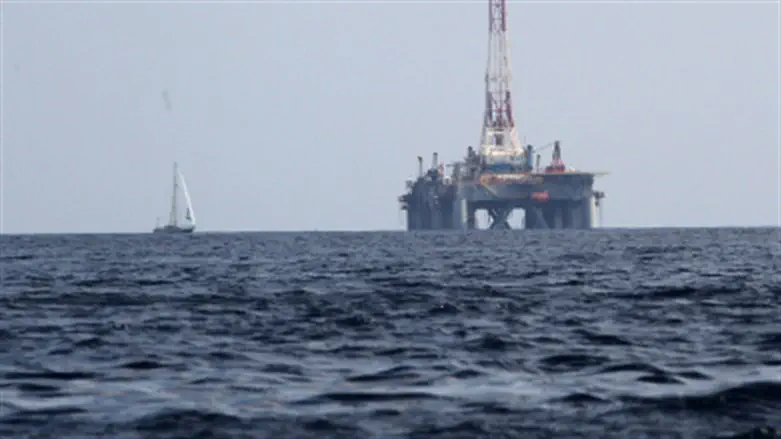
For Israel, the growing Turkey-Egypt alignment poses a multifaceted national security threat. Historically, Israel’s maritime security has relied on the fragmented nature of Eastern Mediterranean alliances, particularly with Greece and Cyprus. A unified Turkish-Egyptian front undermines these partnerships and presents vulnerabilities that Turkey can exploit through its aggressive maritime policies. This coalition grants Turkey increased latitude in controlling crucial shipping routes and communication lines within the Levant Basin, directly jeopardizing Israel’s significant offshore natural gas infrastructure.
Moreover, the potential for a diversionary conflict looms large. As both Erdogan and Sisi grapple with domestic challenges, escalating anti-Israel rhetoric serves as a useful political tool. If Sisi faces further economic unrest or Erdogan encounters political difficulties, fostering a manufactured crisis in the Mediterranean may allow these leaders to redirect public frustration outward.
As the Ankara-Cairo axis takes shape, Israel and the United States must urgently adapt their strategies. U.S. policymakers should reconsider their military aid to Egypt, connecting future support with limitations on Egyptian-Turkish military collaborations. Israel, on the other hand, needs to advance its defense mechanisms and engage in proactive diplomatic initiatives in the Eastern Mediterranean to reinforce its security framework. Failure to recognize the gravity of this alliance could reshape regional dynamics and jeopardize Israel’s long-term interests.