
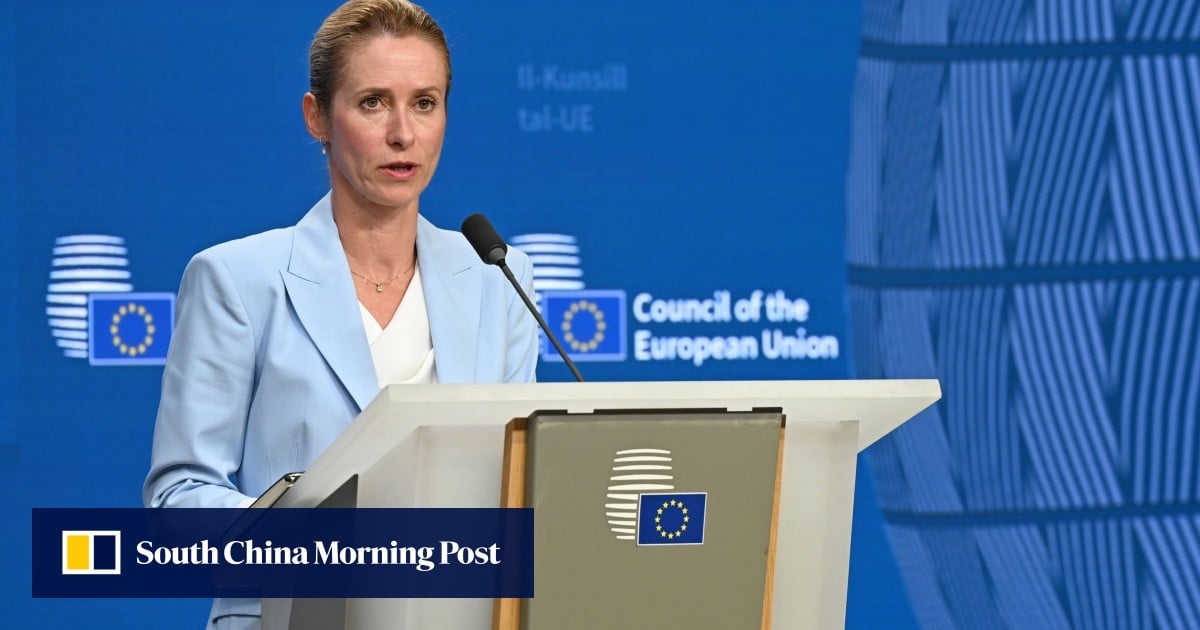
Most nations within the European Union (EU) have recently advocated for a proposal aimed at prohibiting the import of goods from Israeli settlements. This position was articulated by EU foreign policy chief Kaja Kallas during a gathering of the bloc’s foreign ministers.
EU Supports Trade Ban on Illegal Settlements
Kallas indicated that the most favored course of action among EU member states was to implement a trade ban specifically against the settlements deemed illegal under international law. In the wake of this meeting, Kallas stated, “We have instructed ambassadors to advance this initiative. Additionally, if necessary, we have agreed that an extraordinary meeting can be reconvened.” This sentiment reflects a growing consensus among EU nations about the need for collective action against the perceived injustices in the region.
Existing Trade Restrictions by Individual EU Countries
Countries such as Ireland, the Netherlands, and Spain have already taken proactive steps by establishing their own trade restrictions on products linked to Israeli settlements within the occupied Palestinian territories. These unilateral measures signal a rising urgency among certain EU nations to address the trade implications of these settlements, which many consider illegal under international law. As these nations move forward with their restrictions, it highlights a divide within the EU regarding how best to handle trade relations with Israel while addressing human rights concerns.
Calls for Effective EU Measures
Facing mounting pressures to adopt a unified stance, the EU’s executive branch recently presented various options for restricting trade with the settlements. Among these proposed measures is a comprehensive ban, aimed not at Israel as a whole but specifically targeting the illegal settlements that compromise the prospect of a two-state solution. Kallas stressed the importance of distinguishing between actions against the settlements and those against Israel, calling the current situation in the Israeli-occupied West Bank “intolerable.”
As discussions around this subject continue, some diplomats express frustration at the slow pace of deliberations. Complaints have emerged accusing the European Commission of hesitancy in advancing these crucial discussions. This perceived inertia may risk undermining the EU’s credibility and moral position on issues of human rights and international law.
The urgency for decisive action is evident. As more EU nations voice their concerns, they urge the bloc to implement effective measures that reflect their collective values and commitments. The path forward may involve difficult choices, but the growing call for a coordinated response suggests that the EU may finally be ready to confront the complexities surrounding trade with Israeli settlements.
In summary, the debate over the EU’s approach to trade with Israeli settlements is escalating. The most recent discussions underscore a desire for unity among EU member states, alongside emerging tension regarding the pace of decision-making. As the situation develops, it is clear that the EU will play a pivotal role in shaping future trade relations and addressing the broader implications of its policies in the region.