
The Global Reactions to Egypt’s World Cup Match
The recent Egypt versus Argentina match in the 2026 World Cup sparked a wave of emotions, especially among fans from the Global South. This clash was not just a showcase of soccer talent; it turned into a reflection of larger geopolitical sentiments, with feelings of injustice overshadowing the exciting moments on the field.
Controversial Refereeing Decisions
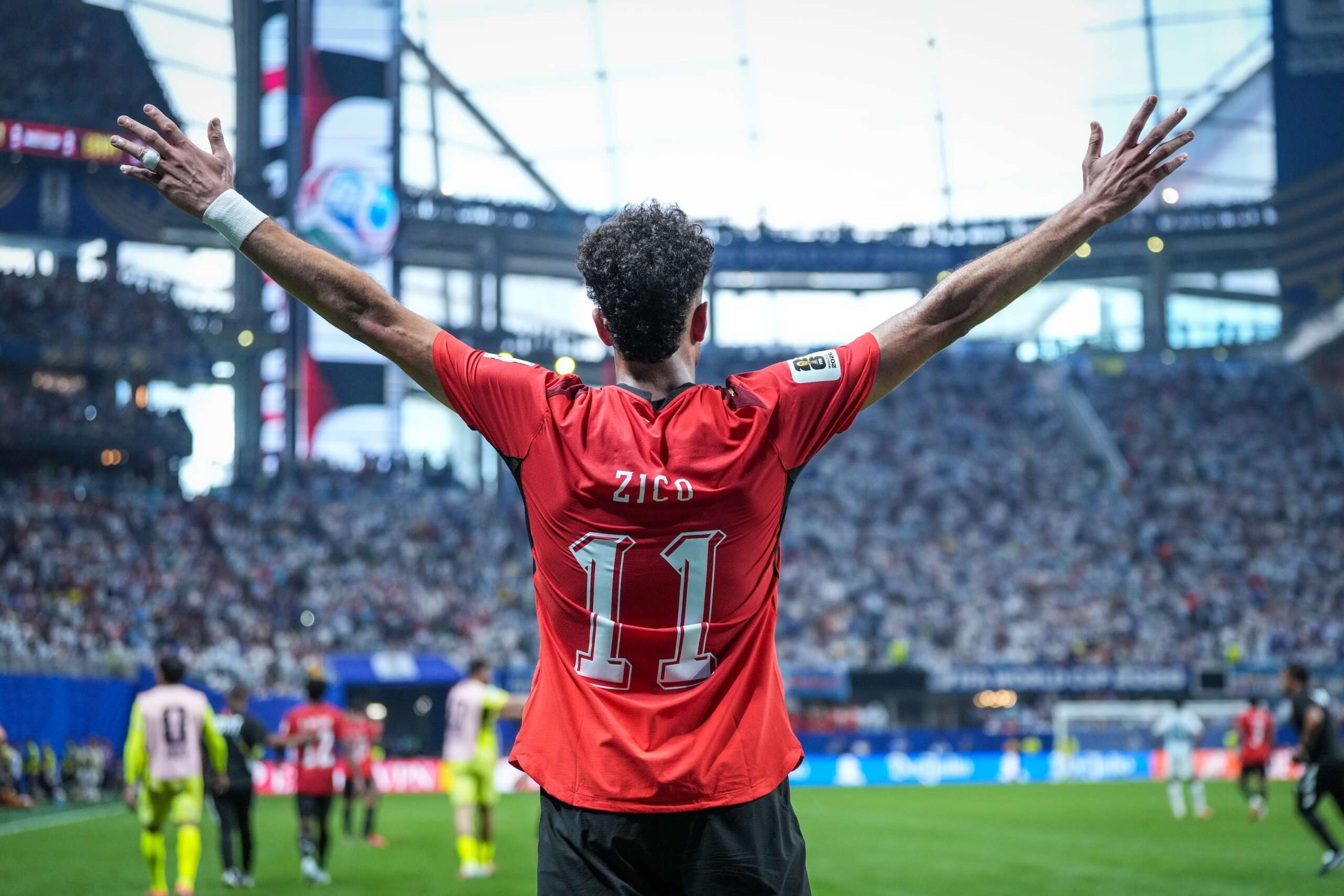
During the intense match, Egyptian forward Haissem Hassan captivated viewers with remarkable skill, skillfully maneuvering past Argentine defenders. The atmosphere was electric, especially at local gatherings like cafes in New York’s Little Egypt, where fans erupted in joy after a goal by Mostafa Zico—only for that joy to be swiftly dashed by a referee’s controversial decision that disallowed the goal. Instead of celebrating what could have been a historic moment, the result spiraled into despair as Argentina came from behind to win the match 3-2. Such experiences bring to light the bitter taste of perceived unfairness that often accompanies international competitions.
Many fans expressed their frustrations vocally, calling out words like “rigged” and “corruption” as soon as the match concluded. This sentiment was amplified by statements from players and coaching staff, who felt the refereeing was not only flawed but potentially biased against Egypt. Coach Hossam Hassan suggested that external pressures may have played a role, stating, “Perhaps they wanted to keep the world champion in the competition.” The echoes of discontent were heard all over social media, where fans felt betrayed by what they view as a history of unequal treatment in the sport.
The Impact of FIFA’s Reputation
The trust in FIFA as an organization is eroded by its history of corruption and questionable practices. The agency has faced numerous allegations of engaging in unethical behaviors while prioritizing profits over integrity. For fans, especially those from marginalized regions, this backdrop fosters a climate ripe for believing in conspiracies surrounding match fairness. The perception that star players like Lionel Messi receive preferential treatment only compounds these feelings of grievance.
This skepticism is not misplaced. FIFA’s history is littered with scandals, and recent controversies further fuel distrust. For instance, travel restrictions faced by teams like Iran have raised questions about fairness in tournament logistics, suggesting that larger political issues seep into the world of soccer. In a sense, the atmosphere of mistrust has cast a long shadow over the sport, creating a sense of urgency for genuine reform to restore credibility.
Feelings of Injustice in Global Sports
The plight of teams from the Global South, such as Egypt and Iran, reflects broader geopolitical inequalities that extend beyond sporting events. Many fans see these defeats as emblematic of a world that often sidelines smaller, underrepresented nations. The emotional connection to these matches runs deep; they represent not only athletic competition but also an arena where oppressed voices can struggle for recognition and fairness. When such opportunities are diminished by poor officiating and perceived bias, it underscores an even larger concern: if sports can be this unfair, what hope is there for equity in other societal facets?
Compounding these sentiments, the solidarity expressed during and after matches often transcends national boundaries. Supporters rally around shared experiences of injustice, leading to a sense of unity among those marginalized by global conflicts. In moments like these, sports become a conduit for social expression. The aftermath of the match not only stirred passionate reactions among Egyptian fans in the United States but also resonated with Palestinian supporters who saw parallels between their struggles and those of the Egyptian team.
In conclusion, the controversies surrounding Egypt’s World Cup experience serve as a microcosm of larger social and political dynamics. Fans from the Global South grapple with a complex relationship to international sports, one marked by a desire for fair competition and an acknowledgment of systemic injustices. As the tournament progresses, whether these feelings will have lasting impacts on viewership and support remains to be seen. But, like the beautiful moments on the pitch, the fight for recognition and equity in sports—and beyond—continues to resonate deeply.