
Iran and the Strait of Hormuz: Navigating Rising Tensions
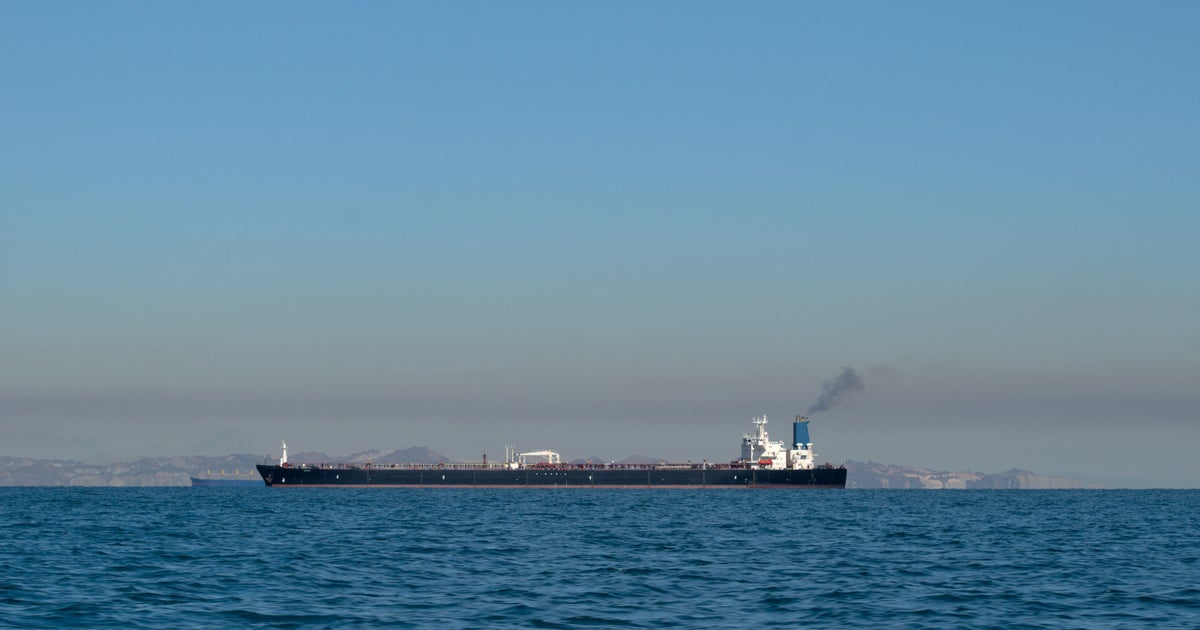
Recent efforts by President Trump to compel Iran to fully reopen the Strait of Hormuz have intensified amidst ongoing military actions, including airstrikes and blockades. The situation remains critical, as experts suggest that restoring oil tanker traffic to previous levels may necessitate a significant increase in U.S. military presence in the region, potentially involving thousands of troops on Iranian territory. Despite the sporadic fighting, Iran has demonstrated its capability to threaten maritime traffic within the narrow Gulf waterway, utilizing drones and concealed missiles.
U.S. Military Strategy: Challenges Ahead
In unraveling the complexities of this conflict, experts caution that Iran has strategically prepared for asymmetric warfare, making it difficult for any U.S. administration to engage in direct conflict without significant repercussions. Jason H. Campbell, a senior fellow at the Middle East Institute, points out that no president since Reagan has chosen to escalate military engagement with Iran, due to the potential disruption it poses to vital shipping channels, particularly the Strait of Hormuz. Trump’s recent comments about reimposing a blockade on Iranian ports and charging vessels for safe passage underscore the administration’s commitment to maintaining control over this crucial route through which a significant portion of the world’s oil flows.
While the president asserts progress in curtailing Iran’s military capabilities, the reality on the ground reveals a persisting standoff. Iran remains unyielding in its control of the Strait, presenting a considerable challenge to U.S. interests in the region. With both sides exchanging fire, the risk of escalating into a full-blown conflict looms large, even as commercial shipping faces overwhelming pressures, notably rising oil prices that could have electoral implications for the administration.
Ground Forces: A Necessity?
Analysts argue that effectively securing the Strait of Hormuz may require an extensive deployment of U.S. ground forces. Campbell highlights the complexity of the situation: securing the Strait would not only involve neutralizing Iran’s hidden arms but also maintaining presence over hundreds of miles of coastline. The logistical challenges of mobilizing tens of thousands of troops for such a prolonged engagement would entail significant financial and political costs and could expose U.S. military personnel to increased insurgent attacks.
The potential for escalated losses raises questions around the feasibility of the proposed U.S. military strategy. Trump’s assertion that the Strait will remain open contrasts sharply with the realities posed by Iran’s fortified defensive capabilities and its readiness to retaliate against any perceived U.S. interference.
U.S. Naval Operations and Iran’s Strategic Responses
Enhanced U.S. Navy operations may also be necessary to guarantee safe passage for commercial vessels. However, this would require a substantial commitment of naval resources that is challenging given the current limitations of the U.S. fleet. While the U.S. has successfully escorted vessels in previous conflicts, the current geopolitical climate has evolved, presenting more sophisticated threats from Iran. Michael Eisenstadt emphasizes that today’s environment is complicated by Iran’s sophisticated drone and missile capabilities.
Moreover, even the mere threat of Iranian engagement can effectively deter commercial shipping. Analysts suggest that Iran can sway shipping activity merely by using communications to issue threats, causing many vessels to reconsider their routes. Despite assurances from U.S. military officials regarding mine clearance and alternative pathways, Iranian aggression continues to pose significant risks to operational efficiency in the Strait.
In summary, the ongoing conflict demands careful navigation of military strategy, economic implications, and regional stability. U.S. efforts to maintain control over the Strait of Hormuz face significant challenges, making the prospect of a resolution increasingly complex as tensions escalate.