
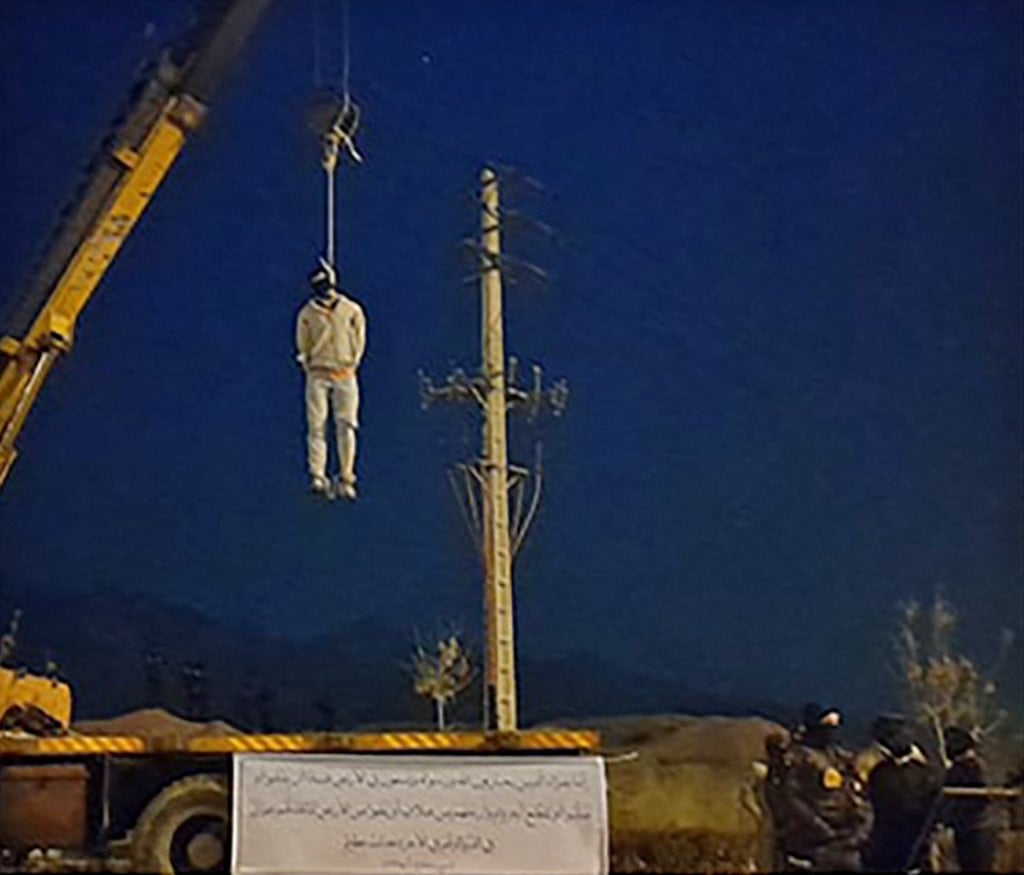
On Tuesday, Iranian officials executed two individuals associated with the Islamic State (ISIS), as reported by the judiciary’s news outlet. The announcement came from Mizan Online, which stated that the executions of Mohiyodin Abdollahi and Hossein Palani took place after the Supreme Court rendered its final decision, and the necessary legal procedures were followed.
Details of the Legal Proceedings
While the specifics regarding the timing of their arrests or the details of their trial were not disclosed, Mizan noted that both men had intentions to execute terrorist operations within Iran. Allegedly, their group had strategized attacks while based in the Bamo mountain region near the Iran-Iraq border. The judiciary convicted them of “armed rebellion against the Islamic Republic,” leading to their death sentences.
The Threat from ISIS
The Islamic State has claimed responsibility for various assaults on Iranian targets over recent years, notably a significant attack in 2024 aimed at a ceremony commemorating IRGC General Qassem Soleimani, which resulted in the deaths of 95 people. This incident underscores the persistent threat posed by ISIS within Iranian territory and highlights the government’s ongoing efforts to curb such extremist activities.
Iran’s Execution Rates
Iran consistently ranks among the countries with the highest number of executions globally, second only to China, as reported by various human rights organizations, including Amnesty International. The nation has intensified its execution practices, particularly following the escalation of conflicts linked to the U.S. and Israeli military actions against it. Recent reports indicate that at least 40 individuals, including 18 protesters, have faced execution in Iran since the beginning of 2026.
Implications and International Response
The increase in executions has drawn criticism from international bodies as they call for a review of Iran’s legal practices and human rights conditions. The executions and the broader phenomenon of capital punishment in Iran raise serious ethical questions. As global scrutiny intensifies, both governments and private organizations have begun to advocate for the adoption of more humane legal processes within the country.
In conclusion, the execution of these two ISIS-linked individuals continues to illustrate the ongoing struggle Iran faces with extremist factions. While the government aims to demonstrate its resolve against terrorism through such decisive actions, the human rights implications may provoke further debate and scrutiny in the international community.