
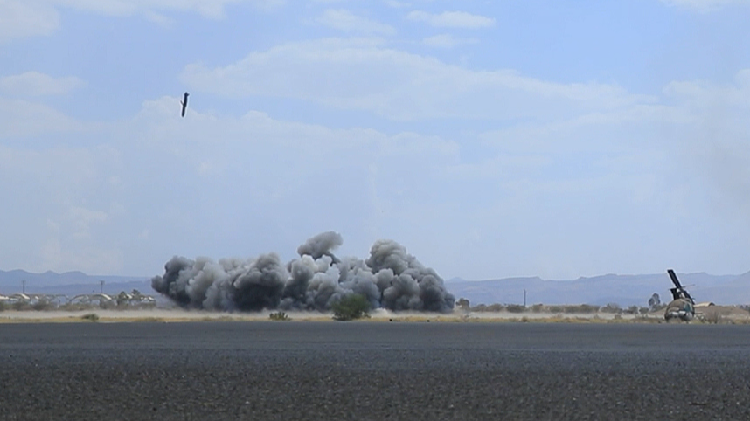
On Tuesday, tensions escalated in the Middle East as Iranian ballistic missiles were fired at a U.S. air base located in Jordan. This aggressive action, reported by Iran’s Islamic Revolutionary Guard Corps (IRGC), marks a significant increase in hostilities in the region. Concurrently, the Houthi movement in Yemen has launched its own missiles targeting Saudi Arabia, further complicating the already volatile political landscape.
Escalating Tensions in the Middle East
The missile strikes underscore the growing capabilities of Iran and its allied forces, showcasing a pattern of military escalation that has implicated various countries across the region. The U.S. base in Jordan, a strategic site for operations against ISIS and other anti-terror missions, was caught in the crossfire, highlighting the dangers American forces face in a territory rife with conflict. The incident raises significant questions about security protocols and the potential for further escalations, which could draw in other nations.
Iran’s Military Objectives
Iran’s actions in targeting U.S. positions reveal its willingness to confront American influence in the Middle East directly. The IRGC, a powerful military and political force within Iran, appears to be sending a message not just to the U.S., but also to its regional adversaries, including Saudi Arabia and Israel. This missile launch represents a calculated risk aimed at asserting Iran’s influence and demonstrating its military capabilities to both allies and foes alike.
Houthi Strikes Against Saudi Arabia
In a related development, the Houthi faction in Yemen has intensified its military activities by launching missiles toward Saudi Arabia. This strategic attack serves to remind Saudi Arabia of its vulnerabilities, especially as the Kingdom remains deeply involved in the ongoing conflicts in Yemen. The Houthis, backed by Iran, aim to consolidate their power and expand their regional influence by striking at their primary adversary. The continuous military actions from both Iran and the Houthis signal a collaborative approach to challenge the status quo in the region.
Implications for U.S. Foreign Policy
These recent hostilities draw attention to the U.S.’s troubling situation in the Middle East, where geopolitical tensions have mounted significantly. The incidents could force Washington to reconsider its strategies and military presence in the area. With Iran’s regional ambitions becoming increasingly aggressive, the U.S. might need to explore new diplomatic avenues to mitigate growing threats. The intertwined nature of these conflicts calls for a comprehensive understanding of the political dynamics influencing U.S. strategic interests.
In summary, the missile attacks involving Iran and the Houthis illustrate the precarious balance of power in the Middle East. As both groups demonstrate their military capabilities through aggressive actions, the potential for further escalation remains high. This situation calls for careful monitoring and strategic planning, as the implications extend beyond regional borders, impacting international diplomatic relations and security measures.