
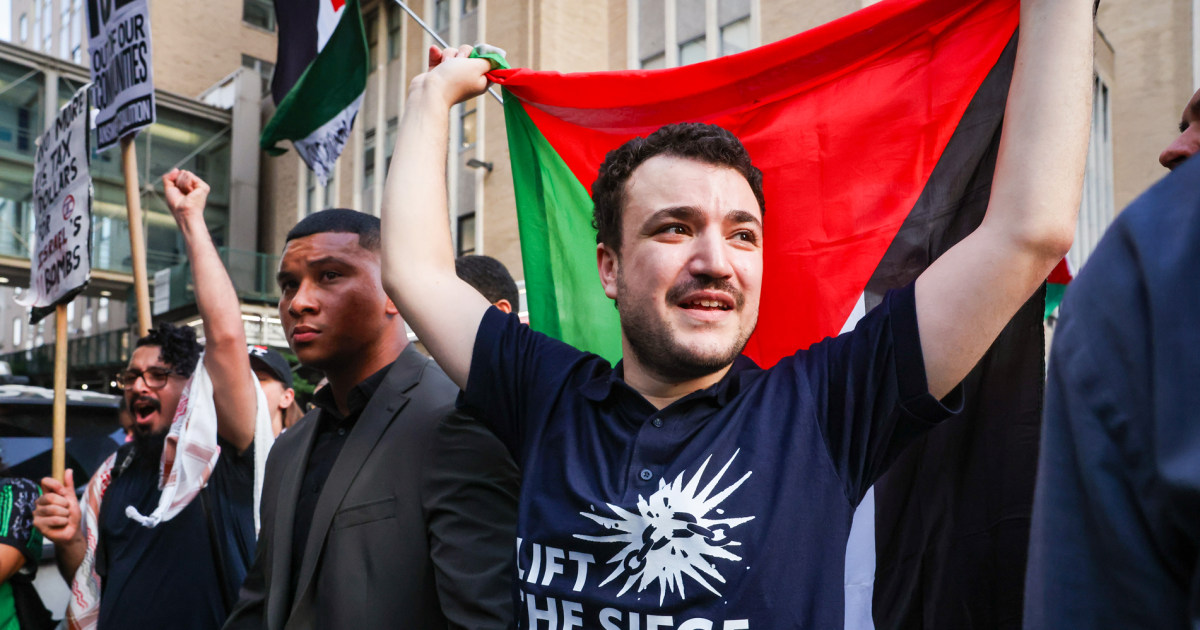
NEW YORK — Mahmoud Khalil has filed a lawsuit against the federal government and several private organizations, claiming their roles in a conspiracy designed to silence criticism of Israel. He alleges that this conspiracy included tactics such as intimidation, imprisonment, and attempts to deport advocates of the pro-Palestinian movement.
Details of the Lawsuit
This lawsuit, filed in federal court, alleges a coordinated effort involving senior officials from the Trump administration, leaders of the Heritage Foundation, and online surveillance organizations, specifically Canary Mission and Betar. Khalil’s legal representatives argue that this alliance, described as a “public-private partnership,” may infringe upon the Ku Klux Klan Act, a post-Civil War law meant to limit government collaboration with private vigilante groups. This allegation aligns with findings from a previous trial that shed light on similar conspiracies targeting pro-Palestinian activists.
Khalil’s Background and Arrest
Khalil, 31, is a former graduate student from Columbia University who gained recognition as a leading figure among student activists protesting Israel’s actions in Gaza. His activism led to his arrest by U.S. Immigration and Customs Enforcement (ICE) agents in March 2025 at his university apartment. Khalil’s arrest marked him as a prominent target in the Trump administration’s crackdown on pro-Palestinian protests, thrusting him into the spotlight for his advocacy work.
Detention and Legal Proceedings
Following his arrest, Khalil was held for 104 days in an immigration facility in Louisiana, during which time he missed the birth of his first child. His case quickly escalated through the immigration courts, which the Trump administration prioritized. Eventually, a federal judge in New Jersey ordered his release, though his deportation case continues to progress rapidly through executive-controlled immigration courts and may soon be reviewed by the U.S. Supreme Court.
Claims of Antisemitism Denied
Khalil has consistently denied any allegations that his activism equates to antisemitism. He has publicly stated that his beliefs stem from a desire for ethical use of his tax money and tuition, specifically opposing funding that supports weapons manufacturers involved in violent conflicts. His outspoken stance highlights the complexity of the conversation surrounding activism related to Palestine and Israel, raising questions about freedom of speech and governmental overreach.
Through his lawsuit and personal narrative, Khalil seeks to illuminate the alleged dangers associated with government and private entity collusion against activists. The outcome of his legal battle could have significant implications for free speech and the rights of individuals involved in political advocacy.