
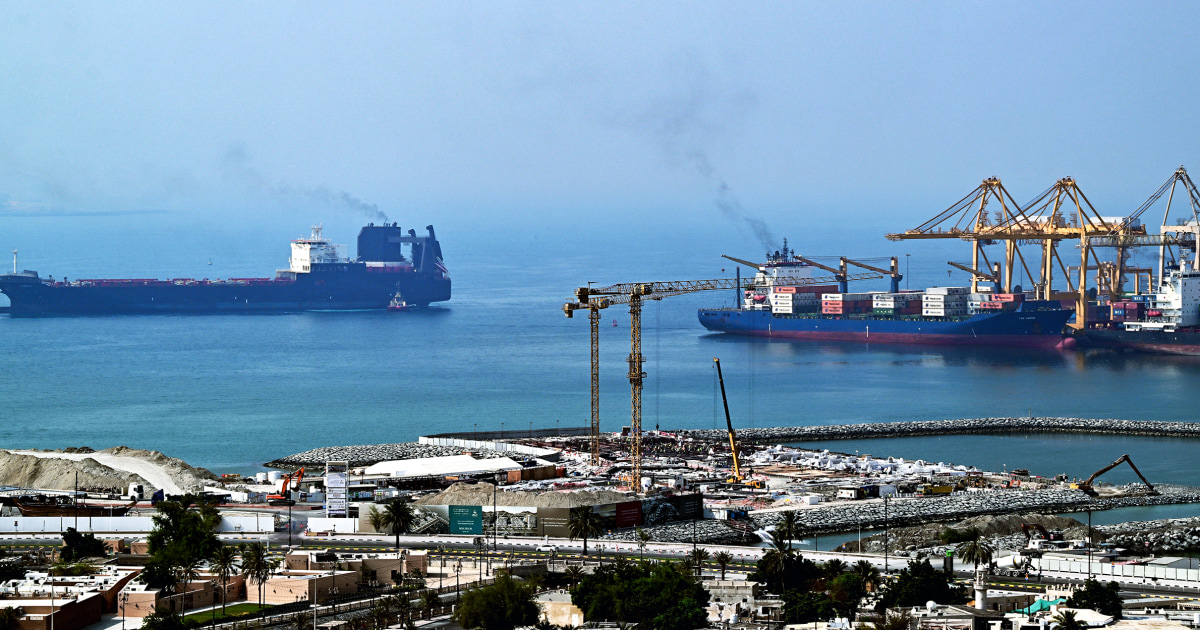
The geopolitical landscape in the Middle East has recently been marked by escalating tensions and military maneuvers, particularly concerning the Strait of Hormuz. The United States military has reinstated a blockade on Iranian ports, a response to Tehran’s recent assaults on shipping vessels navigating this crucial waterway. This development comes as the fragile interim peace negotiations falter, raising concerns over a potential return to widespread conflict in the region.
Renewed Blockade on Iranian Ports
Early on Wednesday, the U.S. military officially reimposed a blockade on Iranian ports, following a series of aggressive actions by Iran against ships traversing the Strait of Hormuz. This strait is a vital artery for global energy supplies, with approximately one-fifth of the world’s oil and natural gas trade passing through its waters. The resurgence of hostilities threatens to escalate further, as both Iran and the U.S. lean into retaliatory strikes across the Middle East. This cycle of aggression not only jeopardizes regional stability but potentially invites broader military escalation.
Consequences of Hostilities
The Iranian health authorities reported over 260 injuries resulting from the latest wave of strikes, indicating a significant increase in violence. This marks an alarming shift towards intensifying military actions in a region already fraught with conflict. The U.S., which first enacted the blockade in April, had briefly lifted it during peace talks aimed at addressing Iran’s nuclear ambitions. However, with negotiations stalling amidst increasing violence, both sides seem poised for a more aggressive stance.
In a stark display of defiance, Iran’s paramilitary forces have warned they might disrupt all energy exports from the Middle East in retaliation for the U.S. blockade. This position reinforces the potential for a drastic energy crisis if the situation escalates further. Such rhetoric not only raises the stakes for ongoing negotiations but also complicates the already intricate web of alliances and enmities in the region.
Military Build-Up and Strategic Responses
In a show of commitment to its allies, the U.S. has ramped up its military presence in the Arabian Sea, deploying at least 19 warships, including two aircraft carriers and an amphibious assault vessel with more than 1,000 Marines on board. This indicates a robust show of force intended to deter further Iranian aggression. Central Command has reported multiple targeted strikes against Iranian positions as the U.S. seeks to hold Tehran accountable for what it calls unwarranted aggression.
President Trump has also hinted at potential U.S. strikes targeting Iranian infrastructure, including bridges and power plants, should diplomatic efforts fail. This strategy underscores the increasing urgency for a resolution to the conflict, as the military posturing could lead to a wider, more destructive confrontation if not managed carefully. Trump’s remarks suggest an unwillingness to tolerate Iranian provocations, further complicating the diplomatic landscape.
Amidst this turmoil, both parties continue to reinforce their positions—U.S. officials assert that Iran’s aggressive actions endanger innocent lives, while Iranian representatives criticize U.S. military interventions as acts of aggression. Navigating through this complex quagmire requires careful diplomacy and a genuine commitment to dialogue, as regional mediators strive to bridge the divide between the U.S. and Iran.
As tensions in the Strait of Hormuz rise, the implications extend beyond the immediate conflict, potentially impacting global oil markets and international relations. The price of Brent crude, reflecting these anxieties, briefly surged past $87 earlier, slowly retreating in light of Trump’s strategic choices. With diplomatic avenues narrowing, the focus remains on fostering dialogue to prevent further escalation and fostering stability in a region critically important to global energy supplies.