
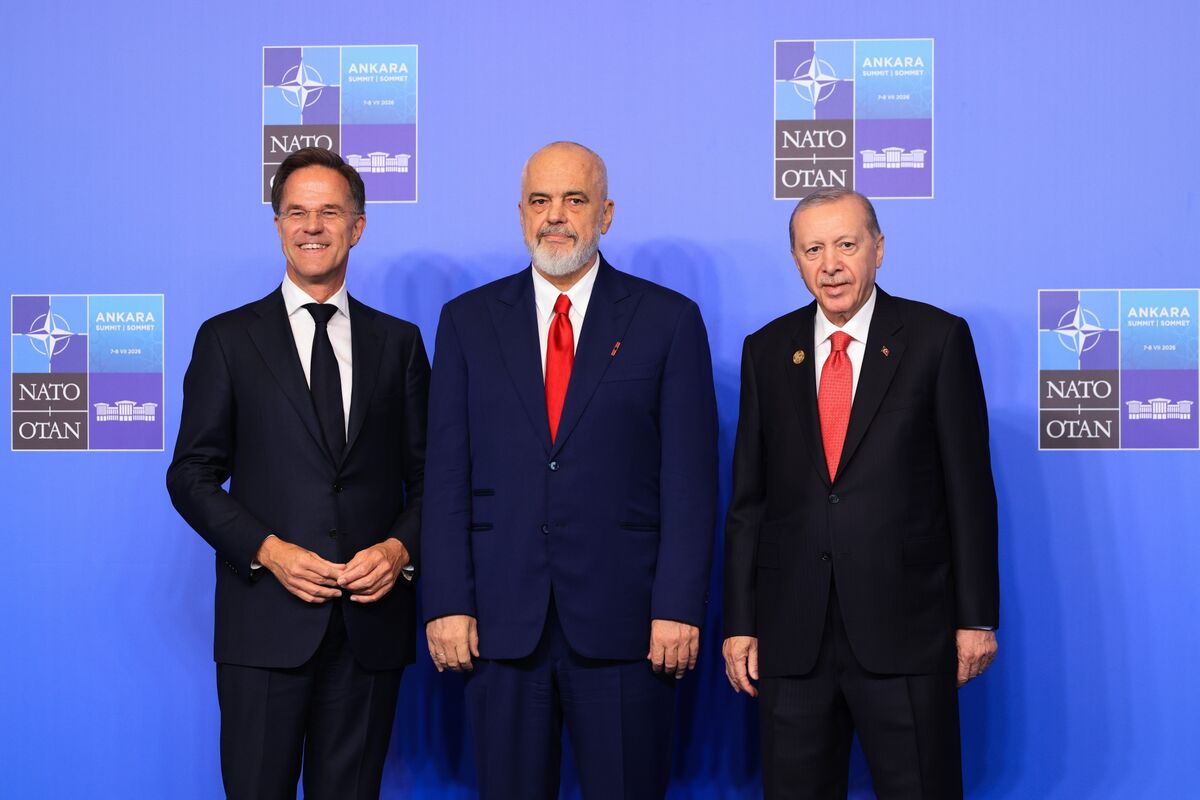
Albania recently made headlines as it sought to host the upcoming NATO summit, showcasing the ambition of its Prime Minister, Edi Rama. Despite his charismatic approach and hopeful rhetoric, Albania’s bid fell short during the NATO leaders’ meeting in Ankara. This development raises questions not only about the country’s international standing but also about its potential for future opportunities within the alliance.
Political Aspirations and NATO’s Decision
Edi Rama has always been a vocal proponent of strengthening Albania’s ties with NATO. The Prime Minister’s push for Albania to host a summit was seen as a way to bolster the nation’s profile on the international stage. However, during the NATO meeting in Ankara, it became clear that the alliance’s leaders were not fully convinced of Albania’s readiness or strategic importance for such a high-profile event. This decision underscores the complex dynamics at play in international politics, where even the most ambitious plans can be hindered by a variety of factors including geopolitical considerations and existing relationships among member states.
Challenges Facing Albania
Albania faces numerous challenges that need to be addressed before it can firmly position itself within NATO. While the country has made significant strides since joining the alliance in 2009, issues related to governance, corruption, and economic development remain critical obstacles. These challenges can make it difficult for Albania to secure a lead role in hosting international events, particularly those as significant as a NATO summit. The need for comprehensive reforms and improvements in public administration is paramount if Albania hopes to ascend in its diplomatic ambitions.
Future Implications for NATO and Albania
The outcome of Albania’s bid to host the NATO summit serves as a potent reminder of the rigorous standards required to participate actively in such high-level discussions. For NATO, maintaining unity and strategic coherence among member states is crucial, and the decision to reject Albania’s offer reflects the alliance’s commitment to these principles. For Albania, this moment could serve as a catalyst for introspection and growth. Strengthening its internal frameworks and enhancing its diplomatic engagements could allow the nation to position itself more favorably in future considerations.
A Path Forward for Albania
Looking ahead, Albania has a vital opportunity to capitalize on feedback received during the NATO summit deliberations. By focusing on governance reforms and fostering partnerships with established NATO members, the nation can build a more robust case for future summit hosting. Additionally, promoting its strategic geographic location could appeal to NATO’s strategic interests in the region, allowing Albania to enhance its leverage in international dialogues.
In conclusion, while Albania’s aspiration to host the NATO summit this year was hindered, the journey towards greater involvement in international affairs is far from over. By learning from this experience and committing to necessary reforms, Albania can enhance its standing within NATO and ultimately achieve its broader diplomatic goals.