
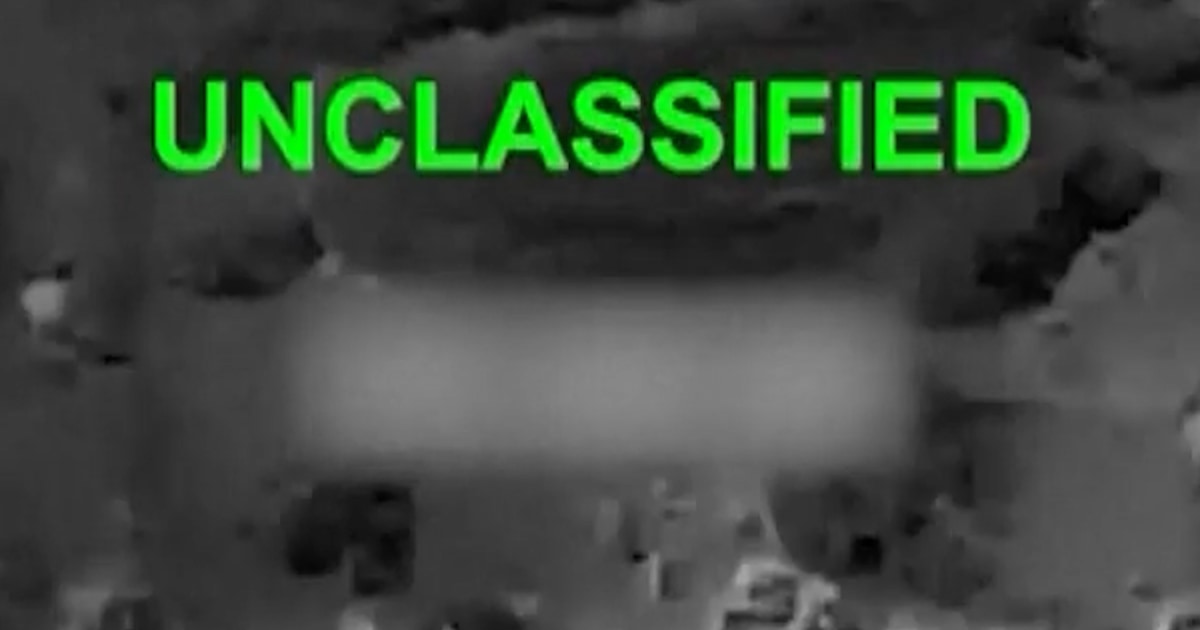
The recent escalation of tensions in the Middle East has led to the United States conducting new strikes against Iran, overshadowing ongoing diplomatic efforts. This escalation comes amid stalled peace negotiations, raising concerns about regional stability and international relations.
Background of U.S.-Iran Relations
The relationship between the United States and Iran has been fraught with tension for decades, impacting both regional and global politics. Since the Islamic Revolution in 1979, which overthrew the pro-Western Shah, the U.S. has maintained a critical stance towards Iran. Key flashpoints like the nuclear deal negotiations, military engagements, and diplomatic isolations have created a volatile environment that fuels conflicts and unrest.
In recent years, the Joint Comprehensive Plan of Action (JCPOA) aimed to curtail Iran’s nuclear ambitions but has faced significant setbacks. Following the U.S. withdrawal from the agreement in 2018, Iran began to roll back its compliance, leading to heightened fears of a military confrontation. This historical context is key to understanding the implications of the new military actions.
Details of the Recent Strikes
The latest U.S. strikes target specific military sites in Iran linked to ongoing military capabilities that threaten U.S. interests and regional allies. These actions are described by officials as necessary to deter Iranian aggression and safeguard U.S. personnel and assets in the region. The strikes have raised alarms among international observers, who worry about the potential for an all-out conflict.
Sources indicate that the strikes are also a message to allied nations in the region, reaffirming U.S. commitment to their security amidst a backdrop of growing Iranian influence. These targeted operations are crafted to minimize civilian casualties while sending a clear signal that the U.S. will take decisive action against perceived threats.
Impact on Regional and Global Diplomacy
The renewal of strikes against Iran complicates the already intricate web of diplomacy in the Middle East. Diplomatic efforts aimed at re-entering negotiations regarding Iran’s nuclear program could suffer significant setbacks as both sides reassess their strategies. The regional dynamics are fraught, with various countries weighing their position, prompting allies and adversaries alike to reconsider their foreign policies.
Moreover, the strikes could push Iran to respond aggressively, either through direct military action or indirect support for its allies in the region, affecting the fragile balance of power. With all eyes on the Middle East, both regional players and global powers will need to navigate this complex situation carefully to avoid wider conflict.
The Path Forward
As the U.S. escalates its military involvement, it becomes increasingly important for diplomatic channels to remain open. Engaging in dialogue, even amid tensions, may provide a pathway toward de-escalation. The international community, particularly the nations involved in the JCPOA, must work to encourage both Iran and the U.S. to return to negotiations.
Restoring faith in diplomatic processes will require diplomatic finesse, patience, and perhaps new frameworks to address the existing issues. Finding common ground will be essential to ensure stability in the region, ultimately safeguarding the interests of not only the U.S. and Iran but also those of neighboring countries embroiled in the conflict.
In conclusion, while military actions may seem necessary to address immediate threats, the long-term solution lies in political dialogue. The stakes are high, and the world will be closely watching to see how the unfolding events will reshape the future of U.S.-Iran relations and the broader Middle East.