
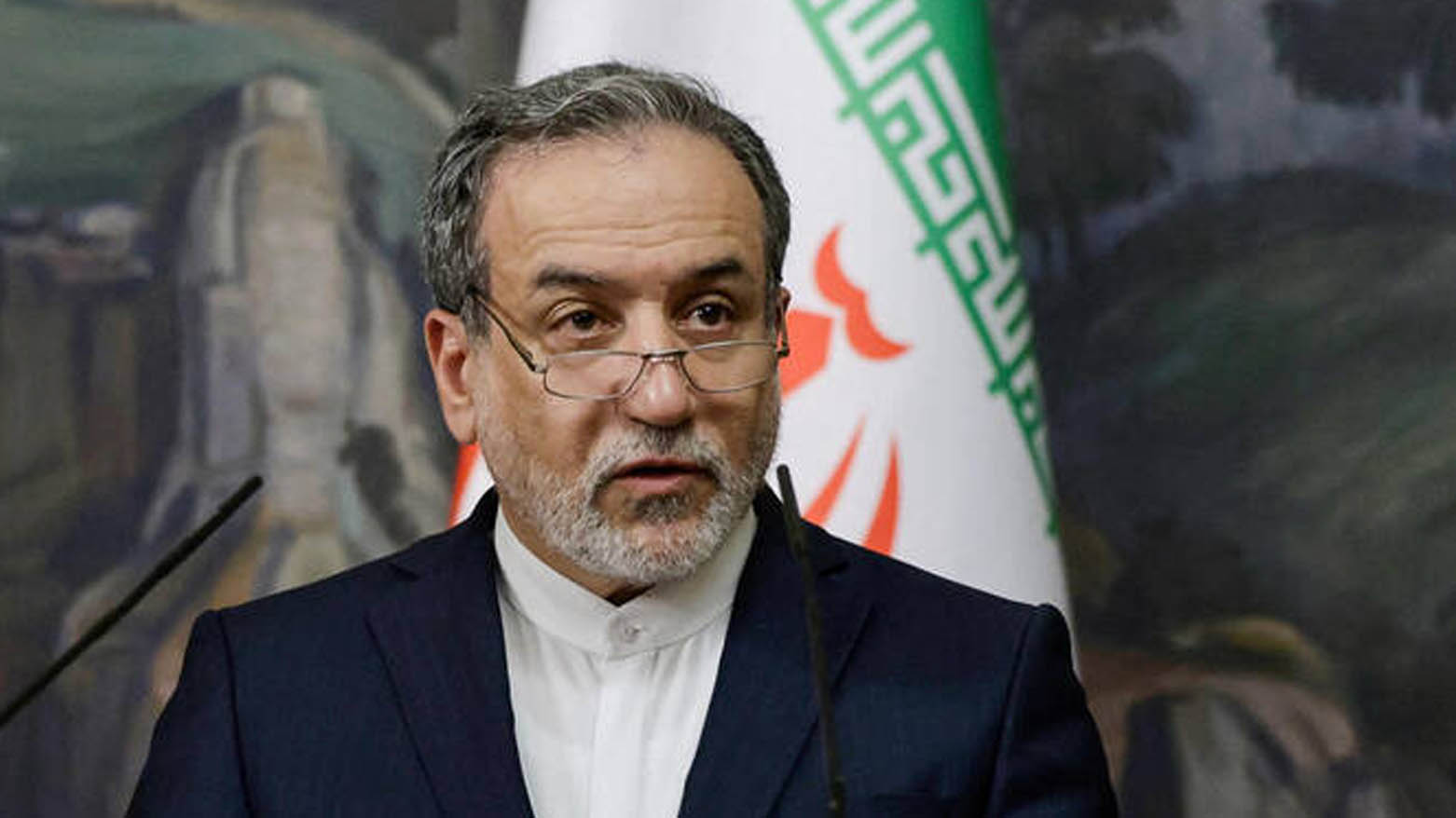
Iranian Foreign Minister Abbas Araghchi is currently visiting Qatar to extend sympathies over the recent passing of Sheikh Hamad bin Khalifa Al Thani, the former emir who ruled from 1995 until 2013. This diplomatic gesture comes amid escalating tensions in the region, particularly following Iran’s military actions directed at the Gulf state just days prior.
Diplomatic Gesture Amidst Rising Tensions
Araghchi’s visit serves as a significant moment for both nations. According to a statement from Iran’s Foreign Ministry, the minister is set to engage with Qatari officials to express his condolences for the former emir’s death. Sheikh Hamad, who played a crucial role in shaping Qatar’s modern state, passed away on Sunday. His leadership is often credited with elevating Qatar’s status on the global stage. The timing of this visit is particularly noteworthy given the backdrop of renewed hostilities among regional players, following months of escalating conflict.
Recent Military Action and its Implications
The Iranian Foreign Minister’s trip comes just after a series of missile attacks aimed at Qatar, marking a troubling escalation in a fraught diplomatic landscape. The delicate balance of regional power has been severely rattled, especially in the wake of a renewed cycle of violence that erupted after U.S.-Israeli strikes against Iranian interests earlier this year. In February, these strikes were pivotal in igniting ongoing hostilities, which have seen Tehran retaliate against both U.S. assets and allied interests throughout the Gulf.
Efforts to achieve peace, such as a memorandum of understanding established through Qatari and Pakistani mediation last month, are now jeopardized. The renewed fighting could undermine these diplomatic accords, casting uncertainty over future negotiations aimed at stabilizing the region. While the initial ceasefire in April offered a glimmer of hope, the resurgence of violence highlights the fragility of these agreements.
Geopolitical Ramifications
Compounding these tensions, commercial vessels in the Gulf have recently been attacked, incidents that the United States attributes to Iranian actions. This has prompted U.S. military forces to focus operations in Iran’s southern coastal regions, where the country maintains significant influence over the strategic Strait of Hormuz. This narrow waterway is vital for global oil transportation, making any threats to it a matter of international concern.
Qatar’s position as a mediator complicates the situation further. Though it is allied with the U.S. military presence in the region, recent Iranian threats against the Gulf state have prompted concerns over its safety and role as a regional stabilizer. As the home of the largest U.S. military base in the Middle East, Qatar’s strategic importance cannot be overstated, yet it must navigate these conflicting dynamics carefully.
In conclusion, Araghchi’s visit highlights a complex interplay of diplomacy and military tension in the Gulf region. The passing of Sheikh Hamad bin Khalifa Al Thani serves as a poignant backdrop to an increasingly fraught atmosphere. While Iran seeks to convey condolences, the underlying conflict poses substantial challenges not only to regional stability but also to broader international relations in an increasingly polarized world.