
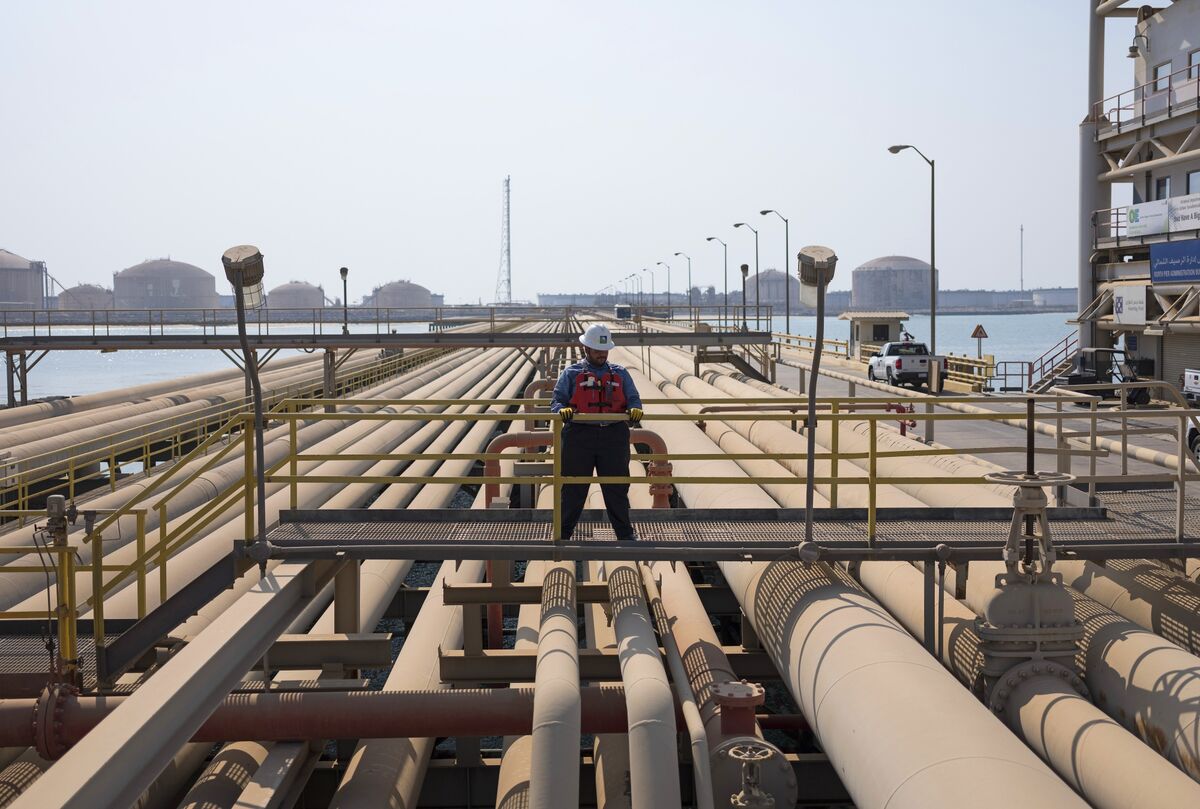
Saudi Arabia is facing a significant decline in its oil shipments from the Persian Gulf due to a recent increase in attacks targeting supertankers in the Strait of Hormuz. This development underscores how Iran is once more creating disruptions in the global oil supply chain.
Increase in Attacks on Supertankers
Recent satellite imagery analyzed by Bloomberg reveals that oil loadings from Saudi Arabia within the Persian Gulf have dropped considerably. This downturn is directly linked to a series of aggressive actions against supertankers, particularly in the strategic Strait of Hormuz. This vital maritime route is crucial for oil transportation, and any threats to ships plying these waters can lead to greater instability in oil markets and heightened shipping costs.
Impact on Global Oil Supply
The ripple effects of these disruptions can substantially affect global oil prices and supply chains. As Saudi Arabia is one of the world’s largest oil producers, any alteration in their shipping patterns is closely monitored by market analysts and can lead to price fluctuations. The instability in the Strait of Hormuz raises concerns among buyers and investors, possibly prompting them to seek alternative sources or routes for oil, subsequently leading to a broader impact on the energy market.
Iran’s Role in Disruptions
Iran’s involvement in these hostilities has been historically significant. The country has frequently leveraged its influence in the region to assert pressure on global oil supplies. With tensions escalating, Iran appears to be employing similar strategies, emphasizing its role as a major player in Middle Eastern geopolitics and oil markets. The ongoing conflicts could further strain relations between Iran and Western nations, adding another layer of complexity to an already volatile situation.
Future Outlook
Looking ahead, the situation remains precarious. Industry experts are concerned about the potential for further escalations as both economic and political factors come into play. Shipping companies may need to re-evaluate their routes or step up safety measures to protect their fleets, which could lead to increased operational costs and higher prices for consumers. As the world relies heavily on oil from this region, any enduring disruption can have far-reaching impacts on energy markets worldwide.
In conclusion, Saudi Arabia’s struggles with oil loadings from the Persian Gulf represent a larger issue concerning the geopolitical climate in the Middle East. With Iran once again asserting its influence through targeted attacks on supertankers, the global oil supply chain is at risk of significant strain. As the situation develops, stakeholders across various sectors will need to remain vigilant in order to navigate this uncertain landscape.