
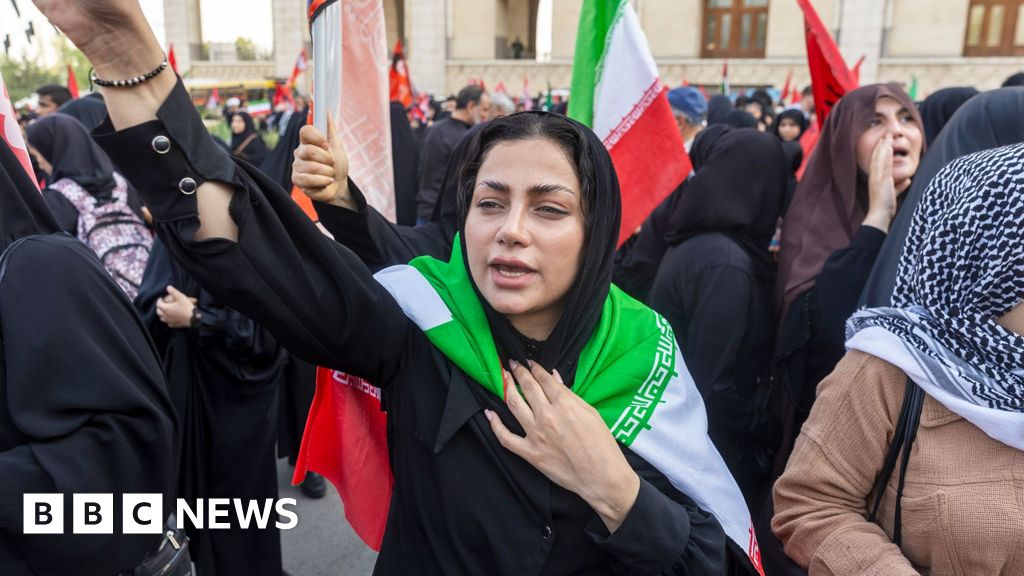
Donald Trump’s Dilemma: The Iran Question
In the realm of international relations, U.S. President Donald Trump faces a crucial decision regarding Iran. As tensions escalate, the question looms: will he take decisive action or seek a path of diplomacy?
Current State of U.S.-Iran Relations
The relationship between the United States and Iran has been fraught with conflict and mistrust for decades. Recent developments have only heightened these tensions. Iran’s activities in the Middle East, including its nuclear program and support for militant groups, are central concerns for the U.S. administration. For Trump, this presents a complicated situation that intertwines national security with diplomatic strategy.
Moreover, following the U.S. withdrawal from the Joint Comprehensive Plan of Action (JCPOA) in 2018, relations deteriorated sharply, leading to increased sanctions and military posturing. The Iranian government has reacted with hostility, further complicating the dialogue. As Trump weighs his options, the global community watches closely, as any miscalculated move could lead to significant geopolitical ramifications.
The Risks of Military Action
Considering military action against Iran is a weighty decision. While a show of force could convey a strong message, the risks are considerable. Engaging in a conflict could lead to substantial loss of life and economic repercussions, potentially destabilizing an already volatile region. Furthermore, such a move could inflame anti-American sentiment worldwide, jeopardizing U.S. interests both at home and abroad.
In recent years, several military engagements in the Middle East have yielded mixed results. Trump’s administration must learn from these past experiences before making any definitive choices. Diplomacy, while often involving nuanced negotiations, can sometimes yield better outcomes than military intervention, particularly in complex situations like that of Iran.
The Role of Allies and International Opinions
Trump’s approach to Iran will also likely be influenced by U.S. allies and international opinion. European nations, in particular, have expressed hopes of maintaining the JCPOA framework and negotiating a more comprehensive agreement. However, there is a delicate balance to strike; aligning closely with allies while managing pressures from hardline factions within America is no small feat.
China and Russia, both key players in the region, have also expressed varying degrees of support for Iran and oppose unilateral U.S. actions. Such dynamics complicate the decision-making process for Trump as he considers how his actions might affect alliances and international relationships. Engaging with allies could provide alternative pathways for addressing concerns regarding Iran without resorting to military force.
The Path Forward: Strategy or Precipitation?
Ultimately, Trump’s deliberation over how to address Iran reflects broader issues in U.S. foreign policy. The balance between assertiveness and diplomacy is a challenge confronted by numerous administrations. As the president contemplates whether to “finish off” Iran, he must consider the potential long-term consequences of his choice.
Determining the best course of action requires careful thought and strategy. Whether Trump opts for diplomacy or military action, the decision he makes will not only impact U.S.-Iran relations but may also define his legacy in the global arena. The stakes are high, and the world is indeed watching.