
In his recent visit to Tel Aviv University, former Obama White House Chief of Staff Rahm Emanuel issued a stark warning: Prime Minister Benjamin Netanyahu’s actions could endanger Israel’s longstanding partnership with the United States. He advocated for what he termed a “23-state solution,” suggesting that progress toward Palestinian sovereignty should be part of a broader normalization strategy involving Israel and its Arab neighbors.
The Historical Context of U.S. Policy on Israel and Palestine
For years, U.S. policy has swung between attempts to resolve the Israeli-Palestinian conflict and efforts to avoid it altogether. The Hamas attack on October 7, 2023, underscored the inadequacies of both methods. The Palestinian issue cannot simply be overlooked, yet traditional final-status negotiations seem unlikely to yield fruitful results. Emanuel posits that the key to moving forward lies in integrating the Palestinian question into a comprehensive regional framework. Such an approach could potentially realign the precarious landscape of the Middle East, especially amidst ongoing conflicts in places like Gaza and Iran.
During my recent visit to Israel and the West Bank with a group of former policymakers from J Street, I engaged with a range of stakeholders, including military officials, Palestinian leaders, and humanitarian workers. This multifaceted experience revealed two important insights: First, the fate of the U.S.-Israeli alliance may hinge on Israel’s upcoming elections. Second, the Middle East appears to be entering a significant period of instability. While the temptation for Americans might be to disengage from the region, the forthcoming elections could be pivotal. A new Israeli government may not fully embrace change or pursue peace independently, but it could encourage a more favorable regional bargain.
The Political Landscape in Israel
Israeli politics is nearing a critical juncture, with national elections set for October 27. Recent polls indicate that parties opposing Netanyahu are gaining traction, although a clear path to a governing majority remains murky. Gadi Eisenkot, currently leading a centrist party, has gained a competitive edge against Netanyahu’s Likud party. Despite his firm stance against indiscriminate military action, Eisenkot’s history as the chief of staff of the Israel Defense Forces complicates perceptions of him as a pacifist. He advocates for action that achieves strategic objectives rather than pursuing reckless confrontations.
Eisenkot’s personal experiences, including the loss of family members to conflict, lend moral weight to his criticism of the current government’s military strategy. His resignation from Netanyahu’s war cabinet was rooted in concerns about a lack of strategic direction. Dialogue with opposition members during our delegation revealed that, although a new government might not fully endorse a two-state solution, there is an understanding that it could offer a shift away from current policies that exacerbate tensions.
The Urgency for Diplomatic Solutions
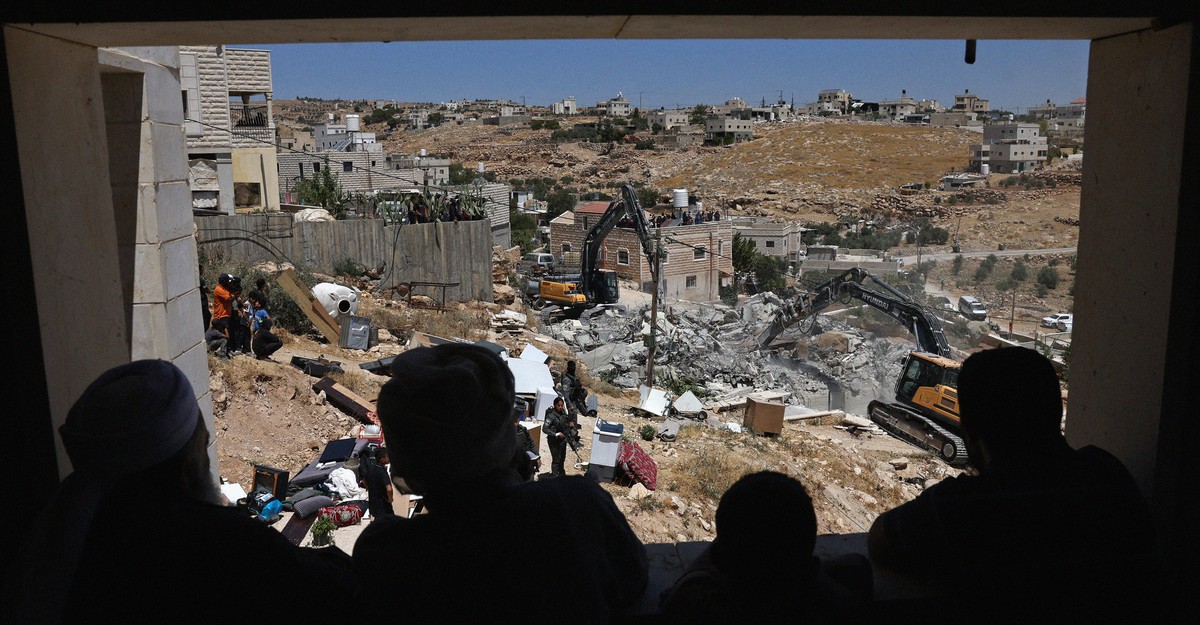
The alarming rise in violence and instability in the West Bank heightens the need for effective diplomacy. Under the current coalition, led by far-right entities, there has been an uptick in settler violence, with insufficient intervention from Israeli authorities. We witnessed significant disparities in infrastructure between Israeli settlers and Palestinian residents, highlighting systemic inequalities that are becoming untenable. Many Palestinians are increasingly restricted in their movements, leading to unrest and frustration.
Amid this tension, the call for a new Israeli government is not merely a question of governance; it’s about responding to a rapidly deteriorating situation in the West Bank. A shift in leadership could provide the catalyst for policies that focus on de-escalation rather than exacerbating conflict. Furthermore, the impending legislative elections in the Palestinian Authority are also essential, potentially offering a chance to enhance legitimacy and encourage political reform.
While some may question whether new leadership can truly offer a path to lasting peace, it is imperative to consider that any change—however incremental—could pave the way toward constructive dialogue. Rahm Emanuel’s concept of a “23-state solution” seeks to address both Israeli and Palestinian concerns by fostering regional cooperation. Though it may face skepticism, a cooperative approach could offer a glimmer of hope against a backdrop of continued conflict and instability.