
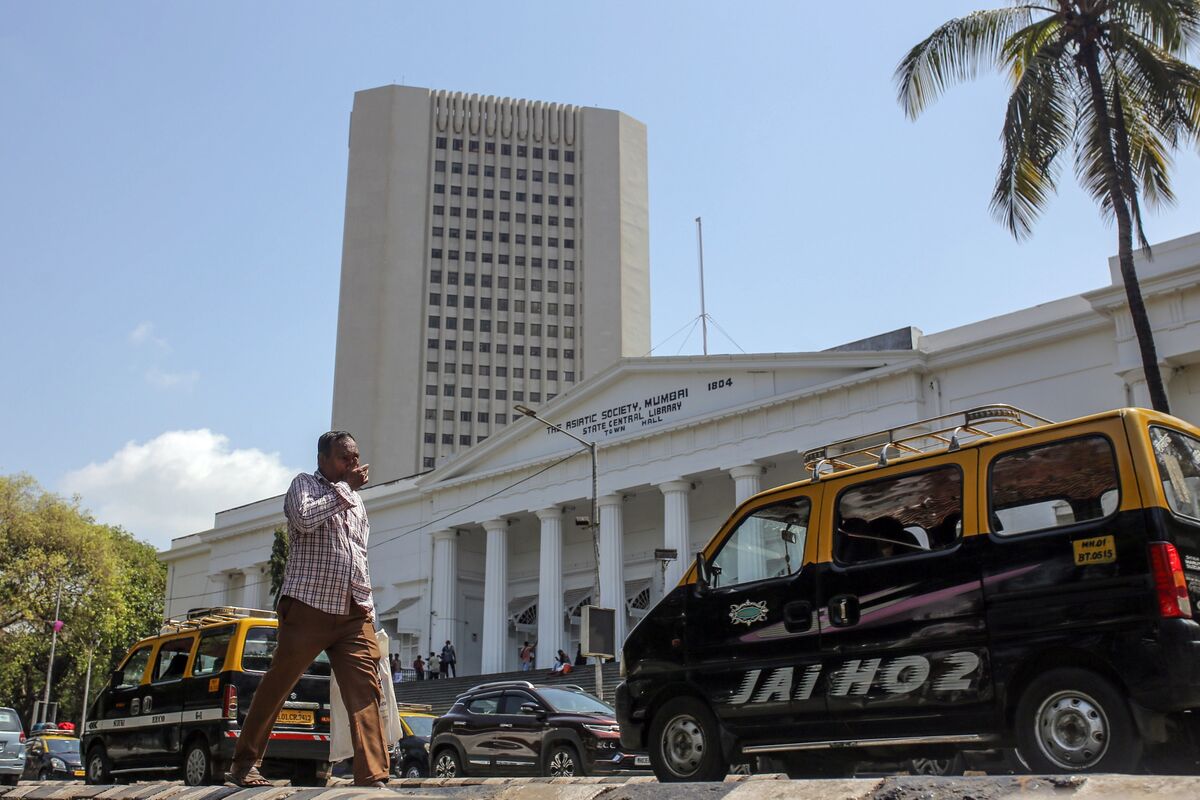
India is currently facing significant economic challenges, as inflation rates remain high. Significant geopolitical tensions in the Middle East and the likelihood of an underwhelming monsoon season are some of the critical factors contributing to this economic uncertainty, as noted by Reserve Bank Governor Sanjay Malhotra.
Inflation Trends Amidst Global Tensions
Inflation in India has consistently stayed above the desired levels, raising alarms among policymakers and economists. The ongoing conflicts in the Middle East have compounded local economic pressures, affecting global energy prices and supply chains. With these tensions, input costs for various sectors are rising, further exacerbating inflationary pressures in the country. As a result, consumers may find everyday essentials becoming increasingly costly, impacting their purchasing power.
Monsoon Season Concerns
Another significant concern is the impending monsoon season. Traditionally, this season is vital for India’s agricultural output, which accounts for a substantial portion of the nation’s economy. A weak monsoon can lead to poor crop yields, which directly influence food prices and inflation rates. If rainfall levels are below average, it may not only threaten food security but also slow down economic growth. Governor Malhotra has emphasized the importance of monitoring these climatic conditions closely, as they play a crucial role in shaping economic forecasts and policy decisions.
Policy Responses and Future Outlook
In reaction to these pressing issues, the Reserve Bank is evaluating monetary policies that can help control inflation while supporting economic stability. Finding the right balance between raising interest rates and fostering growth will be a delicate task. The central bank’s decisions in the upcoming months will be crucial in determining the trajectory of India’s economic health. Analysts are closely watching indicators like consumer price index (CPI) and wholesale price index (WPI) to assess the effectiveness of these measures.
Considering all these factors, the economic outlook for India remains uncertain. While the resilience of the economy is notable, policymakers must navigate complex challenges carefully. As global dynamics shift and local conditions evolve, the strategies adopted by the Reserve Bank will play a pivotal role in maintaining stability during this volatile period. Continued vigilance and data-driven approaches will be essential in mitigating risks and steering the economy toward a more stable trajectory.
In summary, India’s inflation issues present a multifaceted challenge, driven by both external geopolitical factors and internal agricultural productivity concerns. As the nation prepares for a potentially challenging monsoon, the response by the Reserve Bank will be critical.