
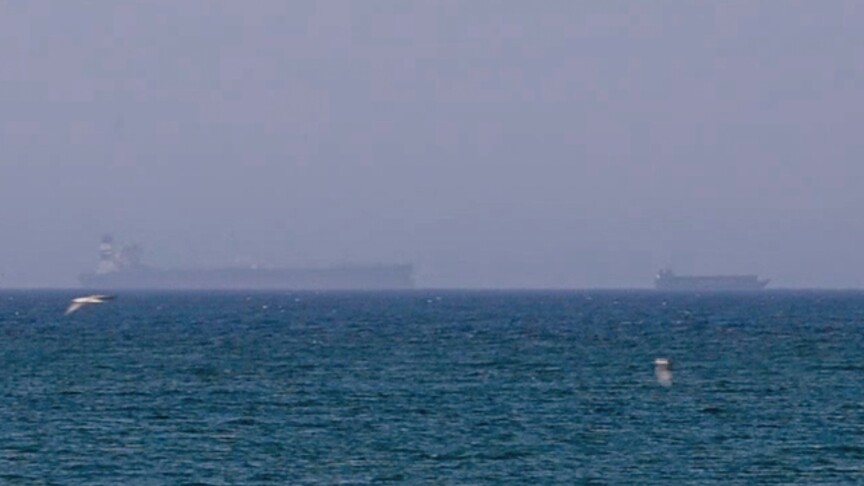
An oil tanker anchored at Iran’s pivotal Kharg Island oil export terminal has been hit by U.S. missiles for the second time in just two days. The incident raises serious concerns regarding escalating tensions in the region and the potential implications for global oil markets.
Details of the Attack
Ehsan Jahanian, the deputy governor of Bushehr Province overseeing political and security matters, shared this information with Iran’s Tasnim News Agency. The targeted vessel, identified as the Belma NI 22, was reportedly empty at the time of the strike. This attack highlights a significant escalation in hostilities, further complicating diplomatic relations between the U.S. and Iran.
Jahanian asserted that this was not an isolated incident; the tanker was also struck two days prior. He characterized these operations as efforts to obstruct the vessel’s docking at this strategically important oil export terminal. This repeated aggression has sparked alarm within Iranian authorities and may raise questions about the safety of maritime transport in the region.
Impact on Regional Stability
The strikes not only pose risks to the targeted vessels but also jeopardize broader regional stability. Additional reports indicated that other locations, including parts of Bushehr city and a site in Dashti County, experienced U.S. attacks in the nights leading up to the most recent missile strikes. This pattern of aggression suggests that military actions may be expanding, potentially resulting in unintended consequences for the surrounding areas.
Such military engagements can undermine humanitarian conditions and provoke responses that could spiral into larger conflicts. As the balance of power in the region becomes increasingly delicate, stakeholders must remain vigilant regarding the implications of these military actions.
Wider Implications for Global Oil Markets
The situation at Kharg Island, a vital hub for oil exports, has implications that extend far beyond national borders. With global dependency on oil, particularly from this region, any disruptions to tanker routes can lead to significant rises in oil prices. Analysts are closely monitoring how these developments may influence supply chains and international energy markets.
As geopolitical tensions continue to escalate, market volatility is likely to follow. Investors and policymakers should brace for rapid changes, as these attacks may prompt immediate responses from other nations concerned about maintaining stability in energy supply. Understanding these complex dynamics is essential for predicting the potential fallout in global markets.
In summary, the recent missile strikes on the Belma NI 22 tanker at Kharg Island signify an alarming trend in U.S.-Iran relations. The attacks pose threats not only to the vessels but also to regional security and global oil markets. As the international community closely observes these developments, proactive measures may be necessary to avert further escalation and maintain stability in this critical area.