
Iraq’s Oil Export Strategies and Regional Developments
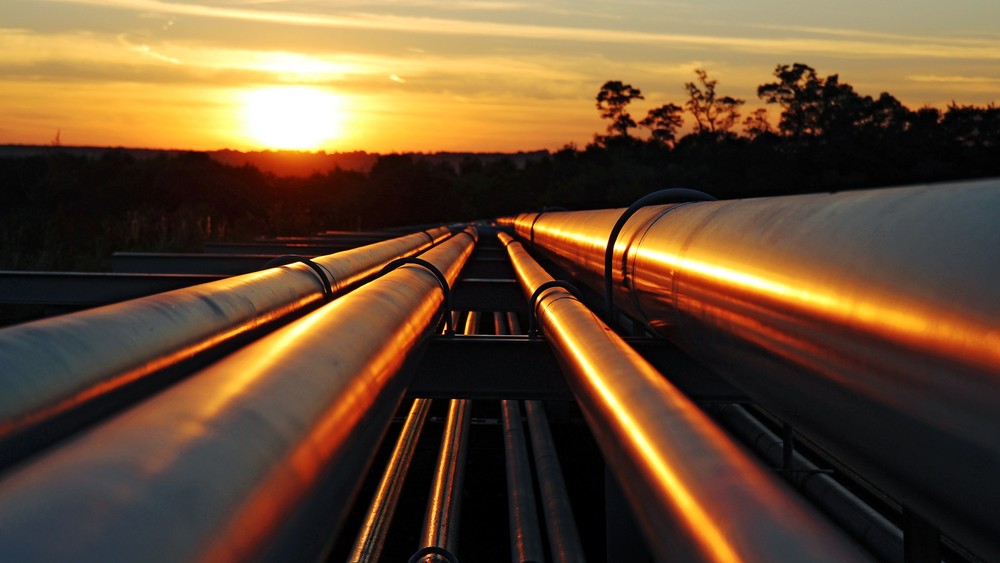
Iraq is making significant strides to enhance its oil export capabilities by constructing an extensive westward route for its crude oil. The efforts primarily aim to transport southern Iraqi crude to the Mediterranean, utilizing pipeline systems that traverse either Syria or Turkey. By collaborating with industry giants like Chevron and Qatar’s UCC, Iraq is establishing a robust infrastructure that includes two main oil export pipelines centered around a shared Basra-Haditha trunk line.
Construction of New Pipelines
One proposed pipeline route will extend from Basra through Kirkuk to Turkey’s Ceyhan port, while the alternative passes via Syrian territory to reach the port of Baniyas. Currently, KBR is conducting studies on the Basra-Haditha section, where construction commenced in May with the capacity to potentially handle 2.5 million barrels of oil per day. In a recent endorsement by Washington, plans to restore the largely dormant Kirkuk-Baniyas line were highlighted, which has not been operational since 2003. Concurrently, Chevron is negotiating agreements focused on the West Qurna 2 and Nassiriya oilfields, further diversifying export options beyond the Hormuz Strait.
In line with these developments, Iraq has initiated limited shipments of crude oil and naphtha via Syrian ports. This strategy will continue irrespective of the stability of Hormuz, emphasizing Iraq’s commitment to expanding its export routes. This proactive approach aims to buffer its oil supply chain against potential disruptions in the Hormuz Strait.
Recent Incidents at Oil Terminals
Complications arose recently with a drone strike close to Iraq’s Basra Oil Terminal, marking the second such incident in just two days. Despite concerns, the Oil Ministry assured that crude loading operations remained unaffected, and exports from the southern terminals proceeded as usual. Fortunately, no structural damage to the tanker or port facilities was reported. Notably, the Basra Oil Terminal is critical for Iraq, processing over 3 million barrels of crude oil every day.
Regional Instability and Broader Context
The geopolitical landscape surrounding oil production is fraught with challenges. The situation in Venezuela has drawn attention, particularly following devastating earthquakes that have caused significant casualties and financial losses. While oil extraction continues, questions remain regarding revenue management and the potential for funds to facilitate reconstruction efforts. The economic ramifications of regional unrest often influence oil supply and pricing on a global scale.
Moreover, Israel is preparing for national elections amid rising tensions related to security policies. The October 27 elections are expected to serve as a referendum on Prime Minister Benjamin Netanyahu’s strategies during ongoing conflicts in Gaza and Lebanon. As political dynamics evolve, Israel’s relations with the United States and its allies may also face challenges.
Broader Energy Alliances and Future Prospects
Further afield, Armenia is working on the U.S.-supported Trump Route for International Peace and Prosperity (TRIPP), aiming to create a transport corridor that connects Azerbaijan with its Nakhchivan exclave through Armenian territory. This corridor seeks to enhance connectivity with Europe and Central Asia while bypassing Russian influence. However, it faces legal hurdles, as some provisions appear to contravene Armenian law.
In summary, Iraq’s drive to develop alternative oil export routes reflects its strategic intent to bolster energy security amid an unpredictable regional environment. From pipeline construction to broader geopolitical alliances, the developments in Iraq and beyond significantly shape the global oil landscape. Each initiative and incident highlights the intricate dance of politics, energy, and economics that continues to unfold across the region.