
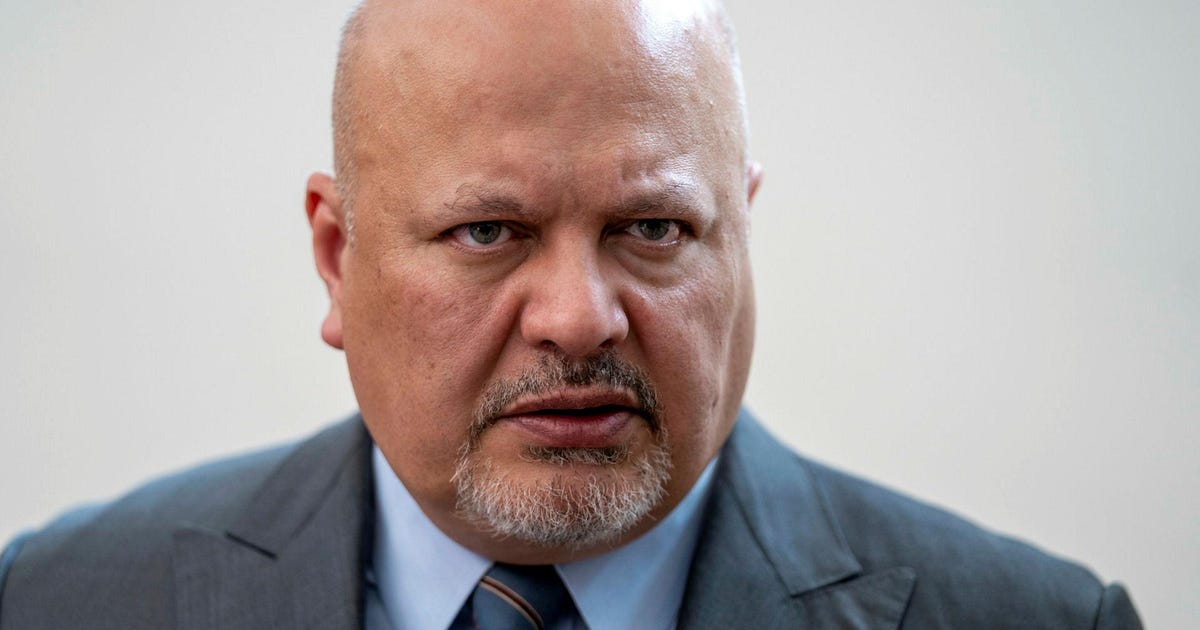
In June, member nations of the Rome Statute cast their votes to suspend International Criminal Court (ICC) prosecutor Karim Khan. This decision has stirred considerable debate in the international legal community as these states prepare to finalize their choice regarding Khan’s potential removal later in July.
Context of the Suspension Vote
The ICC, established to hold individuals accountable for serious international crimes, has faced various challenges since its inception. Karim Khan, who took office in June 2021, has been at the forefront of these challenges, addressing war crimes and crimes against humanity primarily in conflict zones. However, the dynamics surrounding his leadership have prompted some states to call for his suspension. It reflects broader concerns on how the court’s processes and leadership impact its credibility and effectiveness.
This decision to suspend Khan arose amid pressures from several nations regarding the court’s approaches and strategies in handling cases. Critics have expressed that the ICC’s operations may have strayed from its fundamental mission, leading to questioning its legitimacy and operational efficacy. The outcome of this vote is particularly significant, as it could set a precedent for how future ICC prosecutors are held accountable and influence the court’s overall function in upholding international law.
The Implications of Khan’s Possible Removal
If the final decision results in Khan’s removal, it would not only affect his personal career but could also reshape the ICC’s future direction. The selection of a new prosecutor could lead to shifts in priorities concerning investigations and prosecutions. Moreover, it could impact the ongoing cases that the court is currently managing and alter its relationship with member states, especially those that have been critical of the ICC’s past actions.
There is a concern that the court’s integrity might be compromised if a politicized selection process for a new chief prosecutor begins to take shape. It raises questions about independence and impartiality that are essential in upholding the principles of international justice. Stakeholders in the legal community fear that such changes could hinder the ICC’s ability to perform its crucial role in deterring future atrocities and ensuring accountability for those responsible.
Future of the International Criminal Court
As member states deliberate the final outcome of this suspension, the fate of the ICC remains uncertain. The court’s credibility is at stake, and many hope that it retains its essential functions to address impunity on a global scale. The resolution of this situation will likely influence how the ICC operates moving forward and could redefine the international legal landscape, especially regarding human rights, justice, and accountability.
In summary, the vote to suspend Karim Khan has opened a critical discussion on the ICC’s leadership and functioning. The pending decision will shape not only the future of Khan but also the broader implications for how the court manages the serious crimes it was established to address. As the deadline approaches, the international community watches closely, recognizing the profound significance of this moment in the realm of international law.