
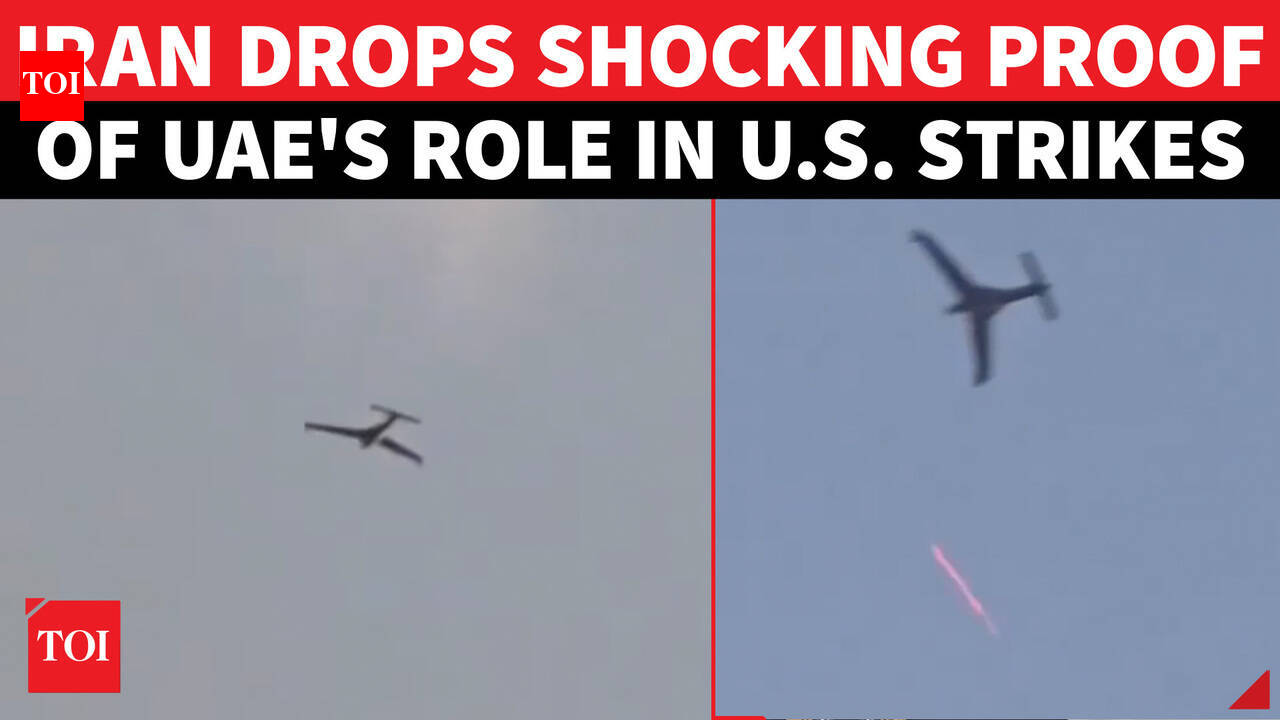
The ongoing conflict between the U.S. and Iran has escalated significantly, with recent events highlighting the increasing volatility of the situation. A series of drone and rocket attacks launched by Iran in Iraq’s Kurdistan region has resulted in tragic loss of life and raised concerns about the broader implications for regional stability.
Escalating Tensions in the Region
The conflict has taken a dangerous turn as Iran specifically targeted bases utilized by the Iranian Kurdish opposition group, Komala, near the city of Sulaimaniyah. This military offensive marks a significant shift, as the violence is now affecting areas beyond the borders of Iran and the United States. The Iranian Kurdish group claims that the strikes resulted in the deaths of eight of its members, a grim reality underscoring the risks posed by the heightened tensions.
Reports from Kurdish security forces indicate that they successfully intercepted several drones headed toward Erbil, further emphasizing the hostile environment and the ongoing danger of military engagement in the region. The situation not only threatens the Kurdish forces but also complicates relationships within the region and raises alarm for U.S. allies.
The Impact on Regional Stability
As the strikes unfold, the ramifications for relations among neighboring countries and U.S. allies are profound. The Kurdish regions have historically been a hub of tension, exacerbated by Iran’s aggressive posture against opposition groups. The targeting of Komala reveals Iran’s commitment to quelling dissent and consolidating its influence in the area.
This conflict risks igniting broader instability. Should the fighting continue to expand into other territories, it could lead to a significant escalation, drawing in other nations and further complicating an already intricate geopolitical landscape. Tensions are particularly sensitive, given the history of violence in this area and the existing alliances in play.
What Lies Ahead?
Looking forward, the fate of the Kurdish areas and their inhabitants remains uncertain. The international community must closely monitor the situation to understand the full impact of Iran’s actions. With potential responses from the U.S. and other Western allies still unclear, the Kurdish groups may find themselves caught in a precarious position.
As the conflict unfolds, it becomes increasingly important for policymakers to take informed actions that minimize the risk of further bloodshed. Balancing diplomatic efforts with the realities on the ground will be essential to preventing a larger conflagration. The future stability of the region may hinge on careful and strategic responses to the ongoing hostilities, highlighting the urgent need for comprehensive dialogue aimed at addressing the underlying causes of this conflict.