
Donald Trump’s political journey has been a complex interplay of audacity and opportunism. His bold tactics have propelled him through various ventures, including his rise to billionaire status despite facing multiple bankruptcies and legal controversies. Now, as tensions escalate, Trump finds himself in a high-stakes situation that could redefine his presidency: the potential reignition of war with Iran.
Trump’s Gamble with Iran
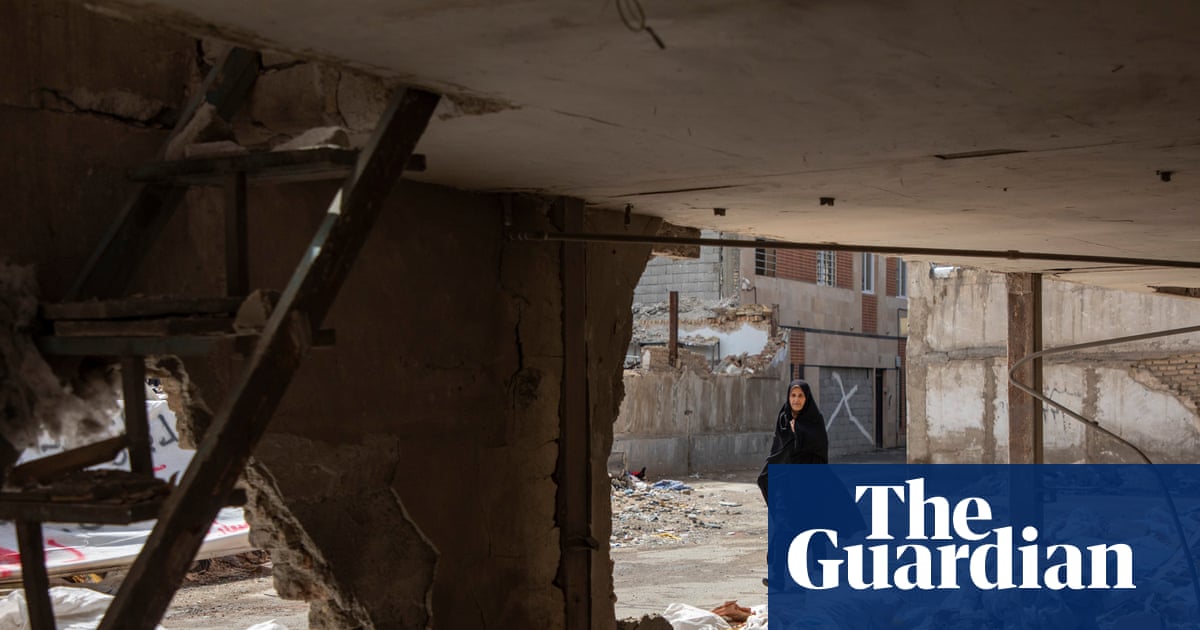
A mere month after celebrating a ceasefire agreement that sought to stabilize an economy on the brink of disaster, Trump has recommenced military operations against Iran. His administration’s recent decision to target Iranian military establishments signifies a drastic pivot from diplomatic dialogue to military confrontation. Critics argue that this reversal stems from mounting pressure within Republican circles, particularly from neoconservatives who have long decried any concessions to Tehran. In response to U.S. military actions, Iran has initiated retaliatory strikes, raising fears of a potential military escalation.
As November’s midterm elections approach, Trump’s resurgence of conflict in the Middle East poses a political threat. The war is already unpopular among voters, especially given its anticipated impact on fuel prices and living expenses. Curt Mills, an executive in conservative media, has noted that rekindling a war in Iran may alienate voters at a critical time for the Republican Party. Despite the risks, analysts suggest that Trump seems to be fixated on his personal vendetta against Iran rather than focusing on the political ramifications of his military strategy.
Why the US-Iran Tensions are Worsening
Experts warn that igniting hostilities may lead not just to aerial bombings but also to a possible land invasion of Iran. Such a move could drag the U.S. into a quagmire reminiscent of other prolonged conflicts in the Middle East. Observers had initially speculated that the ceasefire would serve as merely a temporary reprieve amid escalating tensions. However, many now believe that the situation could deteriorate further, revealing profound miscalculations on both sides.
The renewed violence centers around critical geography—the Strait of Hormuz, a crucial passage for global oil trade—putting both negotiators at a disadvantage. Iran views the waterway as vital leverage in negotiations over its nuclear ambitions, while the U.S. aims to extract concessions from a perceived adversary. Miscommunication regarding shipping protocols further complicates the situation, heightening fears of a military misstep leading to wider conflict.
The Potential for Miscalculation
The complexity of the U.S.-Iran relationship is exacerbated by a perceived lack of informed decision-making within Trump’s inner circle. Critics argue that the absence of seasoned experts on Iran is a significant oversight, as Trump primarily relies on close allies rather than experienced diplomats. This breeds confusion and potentially hazardous choices. The administration’s strategy faces not only operational challenges but also long-term implications regarding U.S. military commitment in the region.
Additionally, Trump’s fixation on negotiating from a position of strength lacks a coherent plan for engaging with Iran effectively. As both sides maneuver, the risk of miscalculating the other’s intentions increases dramatically. Some analysts assert that neither the U.S. nor Iran fully grasp the extent to which the other is willing to escalate the conflict, meaning that even minor actions could set off unpredictable and severe consequences.
In summary, Trump stands at a crossroads, balancing his aggressive military strategy with the understanding that such actions could have dire political repercussions. Whether this gamble will yield a successful outcome or plunge the U.S. into prolonged conflict remains to be seen, but the stakes have never been higher. As the situation evolves, a careful reconsideration of diplomatic avenues may be critical to mitigating a potentially disastrous escalation.