
In a world where cost of living varies drastically, Tel Aviv and Tokyo stand out as prime examples. A recent Deutsche Bank analysis reveals that the price of a McMeal in Tel Aviv has soared to $20.90, making it the highest globally, while Tokyo offers the same meal for just $4.90. These contrasting prices reflect deeper economic shifts influenced by currency fluctuations, cost of living, and local policies.
Economic Factors in Tel Aviv
Over the past decade, Tel Aviv has transitioned from a mid-range Mediterranean city to one of the most expensive urban centers worldwide. According to the Deutsche Bank report, average salaries in Israel have surged by 137% since 2012, while apartment prices have increased by 136%. Dining out has also become pricier, with meals for two seeing a hike of 122%. Former Bank of Israel deputy governor Zvi Eckstein explains that the high cost of living in Israel is a result of various domestic economic factors rather than solely currency strength.
The Israeli shekel has appreciated about 30% against the dollar, driven by robust technology and defense sectors. Despite geopolitical tensions, including ongoing conflicts, the shekel has remained strong, in part due to the nation’s dynamic economy. Recent reports, however, indicate that Israel’s GDP contracted by 20% in late 2023, largely due to diminished consumer spending influenced by the full-scale war in Gaza.
Furthermore, Israelis have traditionally held a substantial amount of savings in foreign currency assets, which once stabilized the shekel around 3.5 to 3.6 per dollar. Recent trends show that with a stock market surge—Israeli markets up approximately 50% this past year—investors are shifting funds back into shekel-denominated assets. This phenomenon has continued to reinforce the shekel’s value while the cost of living issues persist.
The High Cost of Living in Tel Aviv
Eckstein notes that the rising value of the shekel translates into increased costs in dollar terms, but the primary drivers of Tel Aviv’s high living expenses lie in localized policies and market constraints. The Israeli Land Authority controls over 90% of domestic land, resulting in constrained development not driven by market forces. Long-standing preferences for commercial development over residential projects exacerbate the housing supply crisis. Tariffs, particularly on agricultural imports, further inflate prices, with average tariffs around 7.5%.
Tel Aviv has overtaken cities like Zurich and Geneva in the cost of everyday items. A McMeal priced at $20.90 represents a staggering 71% increase since 2016. With gasoline and new car prices also skyrocketing—gas experienced a 27% jump in just one year—livelihoods are becoming increasingly challenging for residents. Despite wages rising significantly, more than three times faster than the global average, increases in housing costs result in a low property price-to-income ratio, indicating growing financial strain.
Contrasting Tokyo’s Economic Landscape
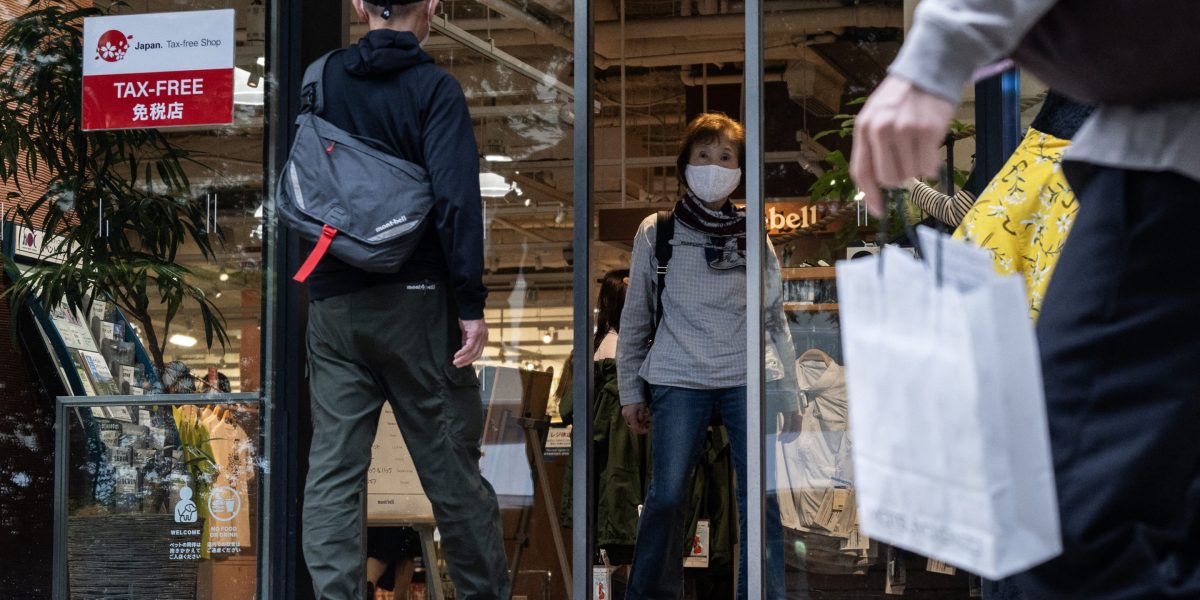
In stark contrast, Tokyo’s economic landscape has dramatically transformed over the last few decades. The mid-1990s showcased a city where even basic expenses, like coffee and housing, were exorbitantly priced. However, the depreciation of the yen—down 51% since 2012—has shifted Tokyo from being one of the priciest cities to a more affordable option relative to global standards.
Now, living in Tokyo offers cost-effective advantages. Rental prices for apartments are significantly lower than those in major cities like New York. A dinner for two costs about one-third of what it would in Zurich. The weakened yen has also attracted tourists, making it Japan’s second-largest export sector. However, while tourists benefit from lower prices, local wages have not kept pace, having fallen 18% in dollar terms since 2016.
Japan’s demographic challenges, including an aging population, may also drive the necessity for adopting artificial intelligence to address labor shortages. In industries where Japan excels, such as manufacturing and robotics, leveraging AI could become critical. According to Deutsche Bank, aggressive AI integration is not merely advantageous but essential for Japan’s economic sustainability over the next two decades.