
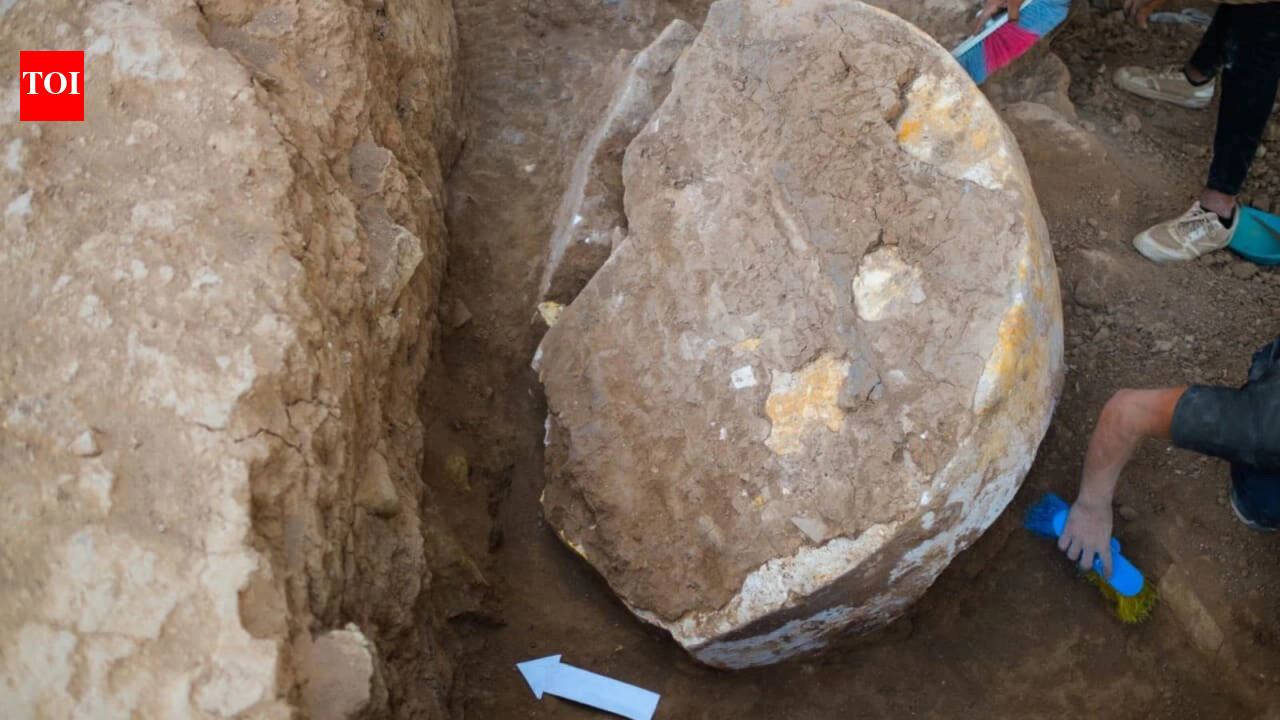
A remarkable archaeological discovery has been made in Iraq’s ancient city of Nineveh—a 2,600-year-old Assyrian stele celebrating the achievements of King Ashurbanipal. This find is especially significant in a region that experienced severe destruction from ISIS nearly a decade ago, underscoring the resilience of Iraq’s cultural heritage.
The Significance of the Discovery
This newly uncovered monument is a two-meter tall stone structure adorned with intricate cuneiform inscriptions and detailed carvings of kings on both sides. Archaeologists unearthed this artifact at the historic Shamash Gate during restoration efforts aimed at recovering sites devastated during the battles to reclaim Nineveh from ISIS between 2016 and 2017. After its discovery, the monument was moved to the Nineveh Department of Antiquities and Heritage for cleaning and analysis, showcasing the ongoing commitment to preserving Iraq’s historical significance.
The stele features a prominent depiction of King Ashurbanipal on the front, while the back bears images of unnamed Assyrian rulers and extensive cuneiform text that details the king’s monumental building projects. These projects included significant infrastructure developments, such as defensive walls and temples, demonstrating the political and spiritual might of the Assyrian Empire. Archaeologist Ruwaid Muwaffaq emphasized the importance of the find, describing it as a crucial addition to the historical narrative of Assyrian civilization and urban development.
Cultural and Historical Context
King Ashurbanipal is well-known for establishing the Library of Ashurbanipal in Nineveh, a comprehensive collection of approximately 100,000 texts that represented the pinnacle of ancient scholarship. This library remained the largest literary repository until the establishment of the Library of Alexandria. The surviving clay tablets from this library provide invaluable insights into the daily life, scientific practices, and religious beliefs of Mesopotamia—a crucial aspect of human history.
The discovery of the stele at Shamash Gate carries profound cultural implications for the local population, who have endured significant loss of ancestral heritage due to ISIS’s systematic efforts to eradicate pre-Islamic historical sites. From 2014 to 2017, these militants occupied Mosul and wrecked numerous artifacts, including the ancient city of Nimrud. Their actions included the destruction of important entryways and deliberate attacks on historical museums, which led to the illegal trafficking of artifacts on the black market.
Restoration and Recovery Efforts
Following the expulsion of ISIS, the Iraqi State Board of Antiquities and Heritage has made strides in documenting damage, recovering stolen artifacts, and resuming official archaeological work. This ongoing effort aims to restore historical integrity within the region. The current team at the Shamash Gate is integrating active excavation with preserving damaged structures, supported by international collaboration, including funds from institutions such as the University of Chicago.
Local authorities are deliberating whether to exhibit the restored stele near its original location at the Shamash Gate or within the upcoming Mosul Civilisation Museum, which will chronicle the continuous historical narrative from the Assyrian period to the Islamic Golden Age. The monument serves as a symbol of cultural recovery and emphasizes the significance of ongoing archaeological endeavors in documenting Mesopotamia’s rich heritage.
In addition to the Nineveh project, preservation efforts are underway for the ancient Ziggurat of Ur further south, where climate-related threats have compelled authorities to initiate repairs on this 4,000-year-old structure. This parallel effort underscores Iraq’s commitment to safeguarding its historical landmarks and affirming its profound cultural identity against the backdrop of recent turmoil.