
The ongoing conflict between the US and Iran has raised serious questions about the current administration’s strategy and effectiveness. With the recent deaths of American troops and prolonged military engagement, officials are under scrutiny as they navigate diplomatic efforts and military action.
Criticism of Ongoing Military Engagement
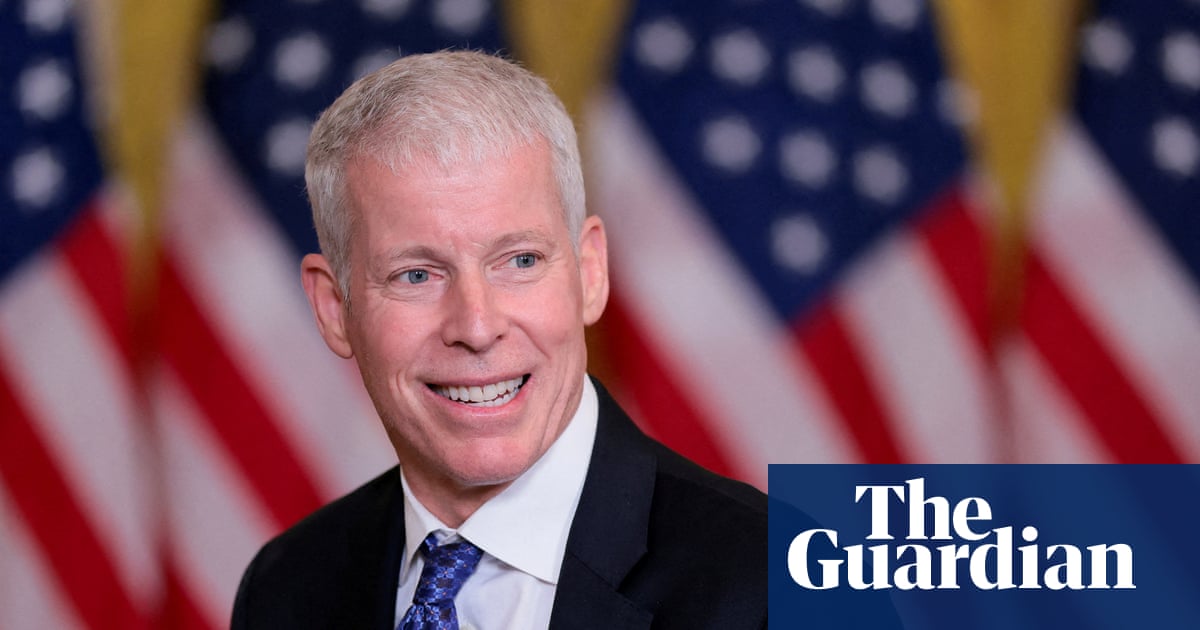
As the conflict stretches on, concerns are mounting within both political aisles about the effectiveness of the Trump administration’s approach to the situation in Iran. During an appearance on ABC’s “This Week,” US Energy Secretary Chris Wright faced tough questions regarding earlier claims that the war, which commenced in February, would conclude by now. Despite the administration’s assertions, recent events—specifically the deaths of additional American servicemen—have only intensified the criticism. The total casualties in this conflict now stand at 16, providing ample grounds for questioning the direction of US foreign policy.
Wright argued that the administration’s strategy has shifted focus from a broader diplomatic solution to ensuring the safe passage of oil shipments through the Strait of Hormuz. He stated, “We did a pause to try to get an agreement with the Iranian people to allow oil to flow without them attacking it,” suggesting that the goal has transformed into one of military assurance rather than diplomacy. This declaration raises serious implications about the effectiveness of the initial mission objectives.
Political Ramifications and Opposition
Democratic opposition has been vocal regarding the administration’s handling of what US Senator Mark Warner of Virginia referred to as a “war of choice.” Warner argues that the conflict was initiated without an imminent threat and criticizes the administration for failing to achieve its stated goals. He pointed out that the anticipated regime change has not materialized, saying, “We got a worse crowd than before.” This underscores growing skepticism about the administration’s ability to stabilize the situation in Iran. Furthermore, he notes that Iran retains the enriched uranium that the US aimed to eliminate, indicating a potential setback in nuclear non-proliferation efforts.
The senator’s remarks reflect a broader concern that the ongoing war will lead to further instability rather than resolution. He indicated that military efforts to dismantle Iran’s missile and drone capabilities have not succeeded, noting that the ongoing conflict seems destined to become a “continuing disaster” if it persists at its current pace.
Escalation of Military Operations
The recent casualties highlight the gravity of the situation, pushing the US military to escalate its operations against Iran’s Revolutionary Guards (IRGC). Defense Secretary Pete Hegseth has made it clear that the military campaign will continue, citing the sacrifices of American service members as a driving force behind their resolve. This presents a complex challenge for the administration as it seeks to balance military objectives with the need for diplomatic resolution.
President Trump has intensified pressure on Iran by urging Congress to incorporate Iran into pending sanctions against Russia, effectively undermining diplomatic efforts aimed at stabilizing the region. This move stands in stark contrast to previous agreements aimed at de-escalating tensions, which called for the lifting of certain sanctions.
With the conflict entering a critical stage, both the administration and its critics face the daunting task of navigating a path forward. As the situation evolves, the need for effective, coherent strategies has never been more crucial. With American lives on the line and geopolitical stability at stake, the scrutiny surrounding US actions in Iran will likely only intensify in the coming weeks.