
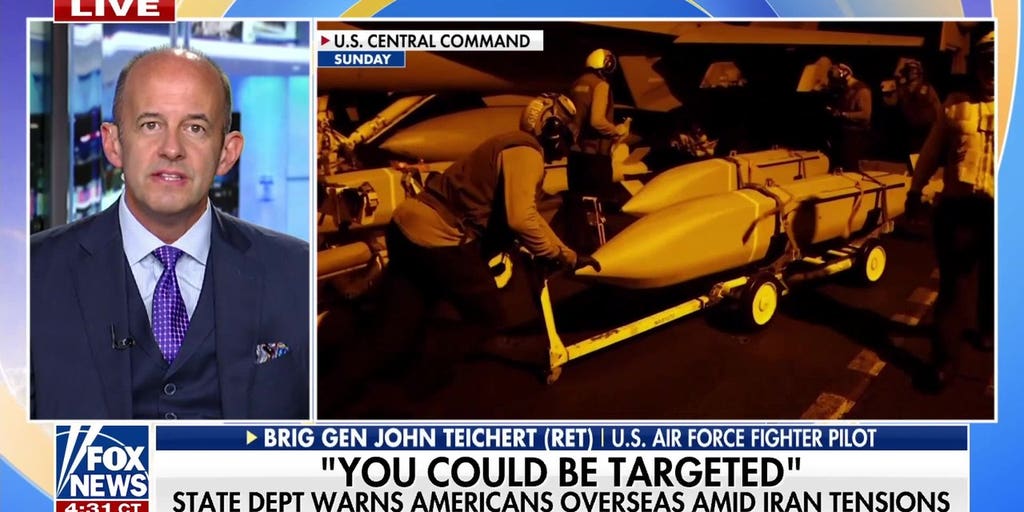
Retired Brigadier General John Teichert offers insights into the U.S. military’s sustained operations against Iran, now entering its ninth night. These strikes come in the wake of a tragic assault in Jordan that led to the loss of American service members. Teichert emphasizes the longstanding animosity Iran harbors toward U.S. interests.
Understanding the Context of Military Strikes
The recent military actions undertaken by the U.S. signify a critical turning point in its approach to Iranian aggression. In response to the attack in Jordan, which resulted in American casualties, the U.S. has engaged in a series of targeted strikes aimed at deterring further Iranian hostilities. Teichert notes that these operations highlight the ongoing tensions in the region and the complexities involved in U.S.-Iran relations. The U.S. must navigate a fine line between showcasing military strength and pursuing diplomatic avenues to mitigate future conflicts.
The Impact on U.S. Forces and Regional Stability
Teichert discusses the implications of the strikes for U.S. military personnel and the broader region. The recent attacks not only threaten the safety of American forces but also heighten the risk of escalating violence in an already volatile area. The retired general points out that Iran’s consistent pattern of aggressive behavior necessitates a firm response from the U.S., not just to protect its own interests but to maintain stability in the region. How the situation evolves in the coming days will be crucial for the safety of U.S. troops and civilian populations alike.
The Historical Perspective of U.S.-Iran Relations
In his analysis, Teichert delves into the deep-rooted history of conflict between the U.S. and Iran. For decades, tensions have simmered, characterized by a series of confrontations that range from military conflicts to diplomatic standoffs. The retired general argues that understanding this historical context is essential for comprehending the current military operations. The U.S. has often found itself in reactive modes, responding to provocations that aim to undermine its standing in the Middle East.
In navigating this challenging landscape, the U.S. must also consider the implications of these strikes on international perception and alliances. Maintaining robust partnerships with allied nations is crucial for any sustained military campaign, and Teichert highlights that these relationships can either aid or hinder U.S. objectives in the region.
Looking Ahead: Possible Outcomes and Strategies
As the situation unfolds, Teichert discusses the potential outcomes of the ongoing military strikes against Iran. The U.S. faces a critical juncture where it must consider the long-term ramifications of its actions. While immediate retaliation may serve as a deterrent, the question remains whether this approach will lead to a more stable environment or exacerbate existing conflicts. Strategies moving forward should involve a combination of military readiness and diplomatic engagement to address the root causes of hostility.
In conclusion, the ongoing strikes against Iran represent a significant chapter in U.S. military history. With the stakes high and regional dynamics ever-changing, the involvement of key military figures like Retired Brigadier General John Teichert offers invaluable perspectives on a complex and highly sensitive issue. Understanding the implications of these actions, both immediate and long-term, is vital for safeguarding U.S. interests and promoting stability in the Middle East.