
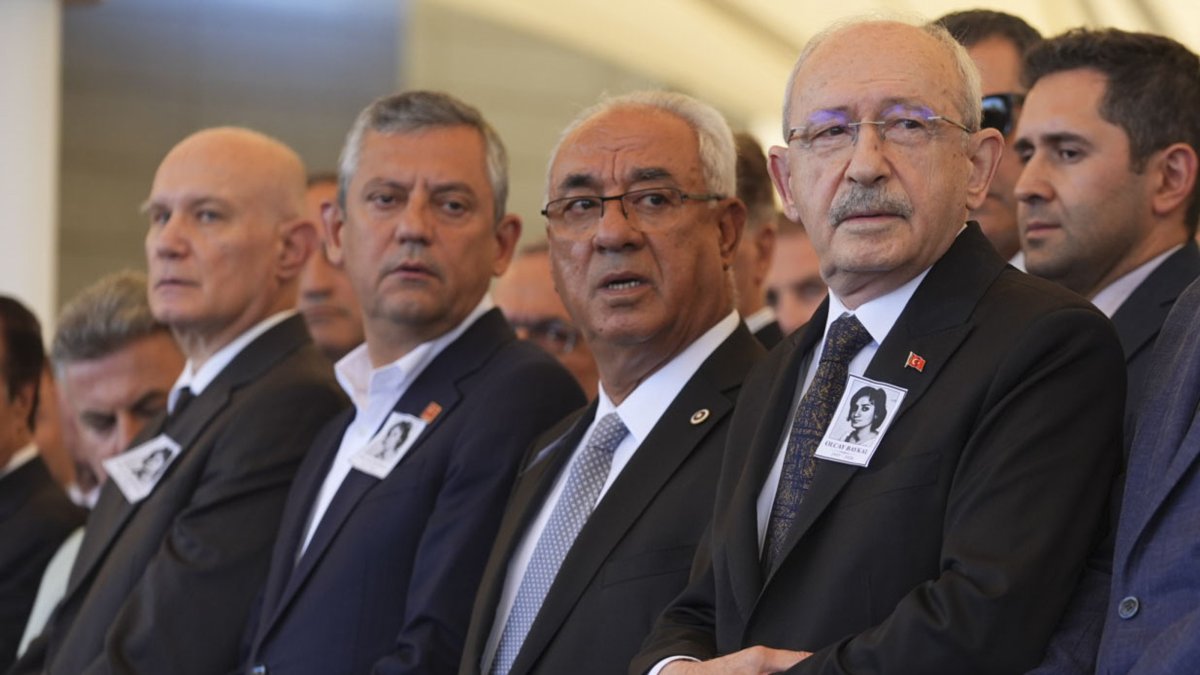
Türkiye’s oldest political party is on the verge of introducing a new faction. Media sources speculate that the entity, tentatively termed the “New Party,” will be disclosed this week by Özgür Özel, who recently lost his position as leader of the Republican People’s Party (CHP) to his predecessor, Kemal Kılıçdaroğlu, in May. In the lead-up to this announcement, many lawmakers are weighing their options, debating whether to remain with the CHP or align themselves with Özel in this emerging political venture.
Özgür Özel and the Struggle for Party Support
Since taking over leadership, Kılıçdaroğlu has aimed to solidify his influence within the party. Özel, now merely the parliamentary group chair, has long been hesitant to make the leap away from the CHP. His camp believes that he may be the party’s best hope for securing victory in the upcoming presidential election, but the widening division within the ranks poses a significant challenge to that potential success. Özel is actively persuading lawmakers to join him, yet reports indicate that several are resistant to leaving the CHP.
Some lawmakers, who had earlier shown support for Özel during his struggle to reclaim his leadership position—following a court ruling regarding allegations of vote-buying during his 2023 election—are among those unwilling to switch allegiance. The internal division has led to accusations of betrayal, with Özel’s supporters branding Kılıçdaroğlu a “traitor.” As Özel tours Türkiye in a bid to rally support, criticisms of his predecessor have also become commonplace.
The Impact of Social Media on Political Dynamics
Social media plays a critical role in this political landscape. Özel’s faction appears to have a firmer foothold on various platforms, creating apprehension among lawmakers about potential backlash if they choose to remain loyal to Kılıçdaroğlu. Prominent party figures who publicly align with Kılıçdaroğlu have faced aggressive backlash online, which includes dredging up both professional and personal missteps. Even Kılıçdaroğlu himself has become a target of hostility, especially from factions who staunchly supported him during the 2023 presidential election.
The current sentiment among party insiders suggests that those lawmakers who have shown public support for Özel are nonetheless likely to stick with the CHP. Estimates suggest that no more than 60 lawmakers will transition to Özel’s new party, predominantly comprising newer members who joined the CHP in recent years. Conversely, the Özel camp is more optimistic, asserting that at least 80 lawmakers will join them, which would position the new party as Turkey’s main opposition.
The Influence of Imamoğlu and Future Challenges
Undecided lawmakers are further influenced by the “Imamoğlu factor.” Many within the CHP are reluctant to join an initiative associated with former Istanbul Mayor Ekrem Imamoğlu, currently imprisoned on corruption charges. Imamoğlu has become an influential figure, often considered pivotal to the future of the party. He has been rumored to secretly manage the party’s affairs while behind bars and has extended his support to Özel’s initiatives, complicating the dynamics further, especially given Kılıçdaroğlu’s chilly relations with him.
In addition to political divisions, Özel faces the potential risk of losing his parliamentary immunity. Currently grappling with 61 pending cases, the upcoming parliamentary summer session will continue to address immunity matters. Reports suggest a significant segment of Kılıçdaroğlu’s faction could vote to lift Özel’s immunity, a move he should brace for. Kılıçdaroğlu has previously advocated for the lifting of immunity, framing it as a chance for lawmakers to clear their names if untainted by wrongdoing.
Özel is currently at a crossroads, facing both political fragmentation within the CHP and potential legal challenges. As the landscape evolves, what remains clear is the ongoing struggle for leadership and direction within Türkiye’s opposition sphere, making the coming days critical for the future of both Özel and Kılıçdaroğlu’s factions within the country’s oldest party.