
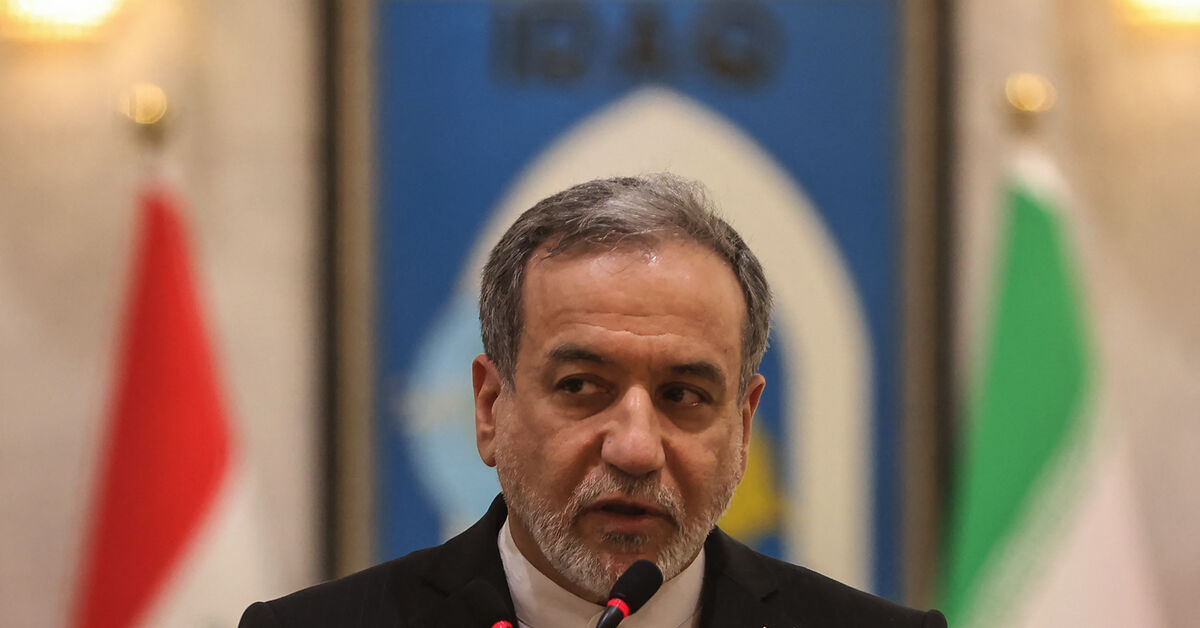
In a significant development pertaining to the ongoing conflict involving Iran, Iranian Foreign Minister Abbas Araghchi has disclosed crucial information regarding Turkey’s role in thwarting Iranian Kurdish groups’ attempts to escalate tensions within Iran. This revelation supports claims previously hinted at by former President Donald Trump, indicating a collaborative effort to counter what Tehran perceives as a U.S.-Israeli initiative aimed at destabilizing the Iranian regime.
Turkey’s Strategic Influence in the Conflict
During a detailed interview with Iranian media, Araghchi pointed out that Turkey’s involvement was pivotal in preventing a U.S.-Israeli backed Kurdish insurgency from being launched from Iraqi Kurdistan. He highlighted the importance of communication with Iraqi Prime Minister Mohammed Shia al-Sudani, Kurdish leaders, and Turkish Foreign Minister Hakan Fidan at the onset of intensifying tensions. Following alarming reports of Trump’s outreach to regional leaders about plans to fragment Iran, Araghchi expressed concerns about potential threats emerging from Iraqi Kurdistan. He articulated a decisive warning, stating that Iran would respond robustly to any threats from that region.
According to Araghchi, Turkey adopted a proactive stance and communicated its position to the United States effectively, culminating in successful efforts to thwart the envisioned insurgency. Although specific details were not provided, the emphasis on Turkey’s decisive role indicates a broader geopolitical alignment aimed at maintaining stability in the region amidst rising tensions.
The Escalation of Hostilities
These revelations come at a tumultuous time, particularly following the breakdown of a ceasefire between Iran and the U.S. in April. Iranian President Masoud Pezeshkian has claimed that Iran is currently engaged in a “full-scale war,” particularly in response to U.S. airstrikes on multiple Iranian targets. Iran has retaliated against U.S. military sites in Jordan and has conducted attacks on an alleged enemy command center in Syria. The cyclical nature of hostilities underlines the precariousness of the geopolitical landscape, where any misstep could lead to escalated conflict.
Araghchi’s comments shed light on previous assertions made by Trump regarding potential Turkish involvement on Iran’s side. Trump indicated that Turkish President Recep Tayyip Erdogan had considered entering the war against Iran but ultimately decided against it after Trump’s intervention. This adds a layer of complexity to the long-standing rivalry between Turkey and Iran, as both countries navigate their interests in a volatile region.
Israel’s Role and Kurdish Dynamics
According to reports from Israeli media, Turkey purportedly threatened to provide air support to Iran if Kurdish forces were to encroach upon its territory as part of an Israeli maneuver backed by the CIA. Previous instances had highlighted U.S. support for Kurdish groups seeking autonomy, causing concern for Turkey, which has dealt with its own Kurdish insurgency for decades. This interplay further complicates the regional dynamics, as both Iran and Turkey grapple with the potential emergence of a Kurdish movement that could destabilize their respective sovereignty.
In light of these developments, Iran has ramped up its military operations against Iranian Kurdish factions situated in Iraqi Kurdistan. Recent attacks on Kurdish targets signal Iran’s determination to eliminate any perceived threats that could take advantage of the ongoing conflict.
Turkey’s concerns about a Kurdish uprising are interwoven with its long-standing conflict with Kurdish militants, predominantly the PKK. The multifaceted nature of this conflict emphasizes the intricate balance both Iran and Turkey must maintain as they navigate their historical rivalries while responding to emerging threats.
As the situation develops, the international community will remain watchful of how these geopolitical maneuvers unfold, especially with the complicated relationships between traditional rivals and the prospect of renewed conflict on the horizon.