
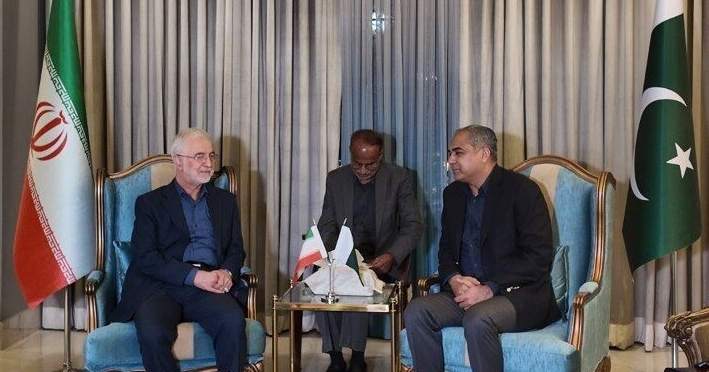
In a significant diplomatic maneuver, Qatar and Pakistan have initiated joint efforts aimed at revitalizing the diplomatic dialogue between Iran and the United States. This initiative coincides with the ongoing military exchanges in the region, now entering their ninth consecutive day. Amid these developments, Tehran has acknowledged the receipt of new proposals for mediation, though resistance from hardline factions within Iran continues to hinder the negotiation process.
The Role of Qatar and Pakistan in Diplomacy
Qatar and Pakistan play crucial roles in international diplomacy, often acting as mediators in complex geopolitical situations. Their involvement in fostering diplomacy between Iran and the U.S. underscores the importance of regional allies in addressing conflicts that affect multiple nations. Qatar, with its strategic position and diplomatic relations, has long been involved in peace initiatives in the Middle East, while Pakistan’s historical ties with Iran add another layer of complexity to the negotiations. By collaborating, these two nations aim to bridge the gap between Tehran and Washington, creating an environment conducive to dialogue.
Challenges in Iran-US Negotiations
Despite the renewed efforts at mediation, the path to successful negotiations between Iran and the U.S. remains fraught with challenges. Hardline elements within Iran continue to express strong opposition to any talks perceived as capitulating to U.S. demands. This internal resistance complicates the situation, making it difficult for the Iranian leadership to present a unified front in international matters. Additionally, tensions in the region, exacerbated by military activities and historical grievances, contribute to an atmosphere of mistrust that hampers progress. For meaningful dialogue to occur, both sides must navigate these complexities with care and caution.
The Importance of Military Exchanges
The ongoing military exchanges serve as a crucial backdrop to the diplomatic efforts being undertaken. Such interactions can foster a better understanding between nations, revealing motives, and intentions while helping to reduce tensions. However, they can also escalate existing conflicts, creating a delicate balance that must be managed wisely. In this case, the extended duration of these exchanges indicates a commitment to maintaining communication channels, but it also raises questions about the implications of prolonged military presence in the region. This dual nature of military engagements underscores the need for sustained diplomatic efforts, particularly as Qatar and Pakistan work to facilitate talks.
Looking Ahead: Prospects for Peace
As Qatar and Pakistan continue their diplomatic endeavors to revitalize Iran-U.S. relations, the international community watches closely. The stakes are high, and the outcomes could influence not only regional dynamics but also global geopolitical stability. Both nations appear committed to finding a resolution, but success will hinge on addressing the internal divisions within Iran and fostering an atmosphere of trust between the involved parties. Achieving a breakthrough in this context will require patience, diligence, and a willingness to explore innovative solutions to longstanding issues that have defined Iran-U.S. relations for decades.