
Houthi Rebels Impose Maritime Embargo on Saudi Arabia
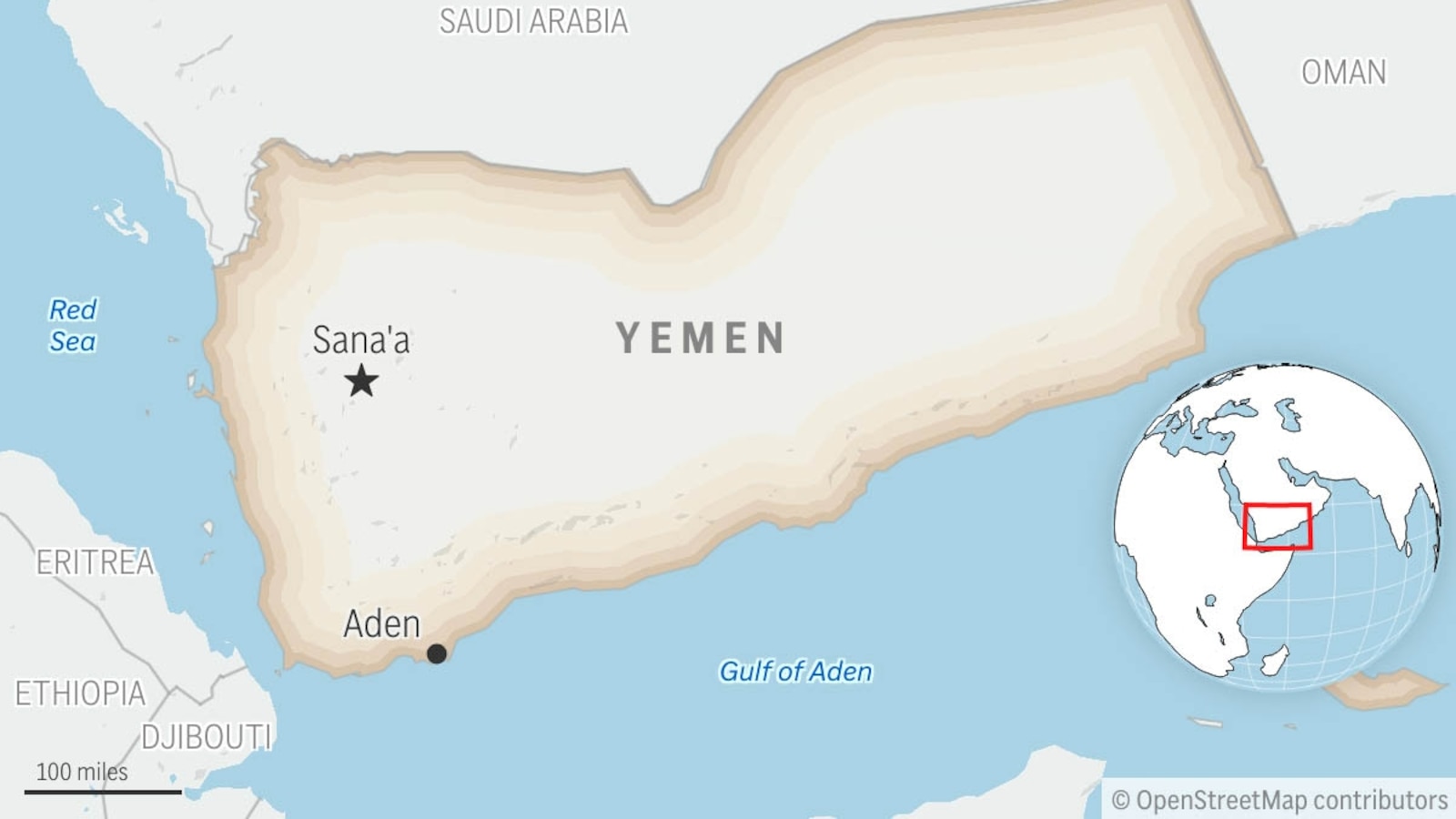
In a dramatic escalation of tensions in the Middle East, Yemen’s Houthi rebels have declared an immediate maritime embargo against Saudi Arabia. This decision is framed as a response to the long-standing blockade of Yemen and a recent attack on Sanaa International Airport. These developments raise alarms about potential disruptions to vital shipping routes and the prospect of renewed conflict in the region.
Details of the Embargo
Houthi military spokesperson Yahya Saree proclaimed the embargo on social media, likening it to an “eye for an eye” in a conflict that has deeply impacted the region. The specifics of how this embargo will function remain unclear. However, Nasruddin Amer, deputy head of the Houthi media office, indicated that the Bab al-Mandeb Strait—a crucial trade passage—will be inaccessible to Saudi vessels as a consequence of what he termed Riyadh’s “unjust blockade” lasting over a decade.
Located at the southern extremity of the Arabian Peninsula, the Bab al-Mandeb Strait is a significant point for global commerce, with about 12% of the world’s maritime trade passing through this narrow waterway. In addition, around a quarter of global container shipments utilize this 20-mile-wide strait to access the Suez Canal.
Historical Context and Recent Events
The Houthis previously demonstrated their capability to disrupt shipping in this area during the recent Israel-Hamas conflict, targeting numerous vessels and showcasing their military prowess. The extent to which they will resume attacks on shipping remains uncertain. Saudi Arabia, grappling with existing pressures as it relies on its East-West Pipeline to transport oil, faces the risk of jeopardizing approximately 2.5 million barrels of crude oil daily. Reports from Rystad Energy indicate the potential financial repercussions of any disruption.
The civil war in Yemen, which began in 2014 when Houthi forces seized the capital and drove the government into exile, has led to ongoing hostilities between the Houthis and a Saudi-led coalition. A truce was reached in 2022, but recent events, including the aforementioned attack on Sanaa airport, have thrown this ceasefire into jeopardy.
Responses and Implications
As tensions rise, the Houthis have leveraged the recent situation, claiming their right to respond to Saudi Arabia’s blockade with their own. They conducted missile and drone attacks against Saudi Arabia’s Abha International Airport, marking a significant confrontation that could further destabilize the region. Experts suggest that the rebels are seeking to assert control over Yemen’s airspace, allowing for the operation of international flights without coalition approval.
Public support for the embargo appears substantial among the Houthis, as demonstrated by recent rallies in various cities, including Ibb and Saada. The Houthis are viewed as a crucial part of Iran’s “Axis of Resistance,” which also includes militant factions across Lebanon, Iraq, and the Palestinian territories.
With ongoing limitations on their drone capabilities, the Houthis face constraints on military operations. Earlier reports indicated that their stockpile has been diminished due to prior engagements, complicating their actions in the current context.
Global Shipping Concerns
The threat to the Bab al-Mandeb Strait has potential global implications. A disruption of trade through this critical passage could force shipping companies to divert vessels around the Cape of Good Hope, incurring significantly higher costs and extended travel times. Estimates suggest that the detour could add approximately 2,700 miles to the journey from Saudi Arabia to the U.S., affecting international trade and increasing prices for consumers worldwide.
As tensions continue to mount between the Houthis and Saudi Arabia, the global community watches closely. The diplomatic ramifications of this maritime embargo could reverberate beyond Yemen, with broader implications for Middle Eastern relations and international trade routes. The situation remains fluid, with the potential for conflict lingering in an increasingly unstable region.