
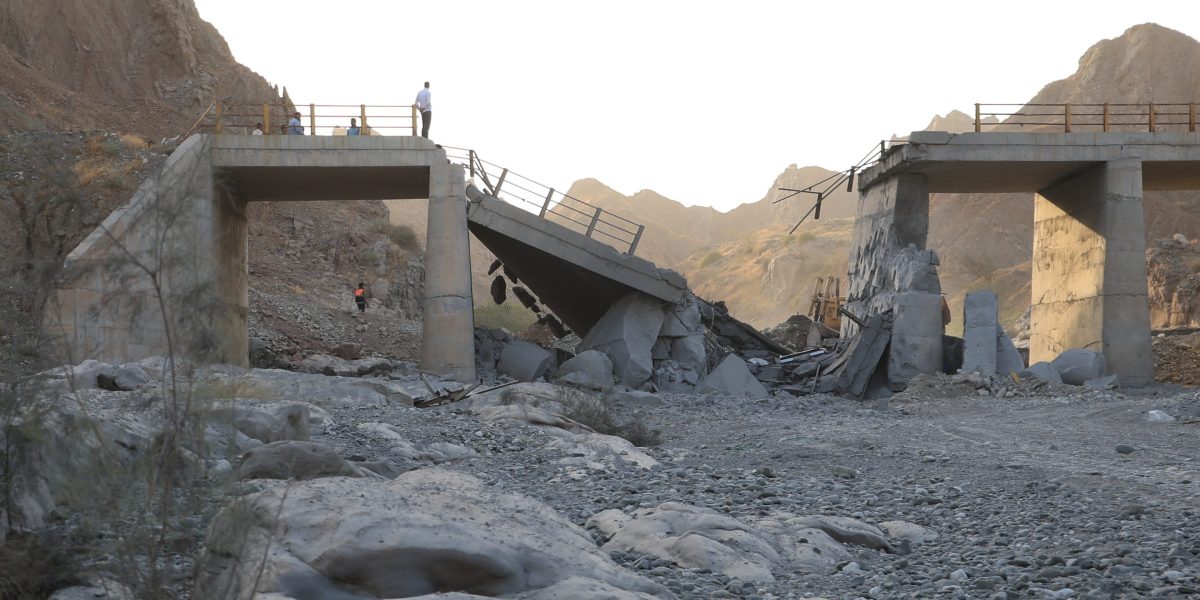
The ongoing conflict between the United States and Iran has entered a new and critical phase. Recently, the U.S. military announced its tenth consecutive night of airstrikes targeting Iran, responding to renewed hostilities in the region. This aggressive approach aims to ensure the security of the Strait of Hormuz, a crucial artery for global oil transportation. With tensions escalating and military actions intensifying, the geopolitical landscape remains fraught with uncertainty.
Military Strikes and Regional Tensions
The U.S. Central Command confirmed via social media that the latest strikes are primarily aimed at dismantling the military capabilities Iran uses to threaten commercial shipping in the Strait of Hormuz. These actions were taken after another American service member lost their life in the ongoing conflict. The military’s strategic objectives include targeting Iranian command centers, air defense systems, and various missile and drone launch sites to mitigate the threat to crucial shipping routes.
As the situation worsens, reports indicate that diplomatic efforts may also be developing. Iran’s Interior Minister recently traveled to Pakistan, a key nation in mediating the situation, to engage in discussions that could lead to a resolution. On the other hand, an interim agreement reached last month aimed at ceasing hostilities has largely fallen apart, complicating the prospect of lasting peace. With violence on the rise, both U.S. and Iranian forces have increasingly targeted civilian infrastructure, escalating the humanitarian crisis.
Energy Markets Under Threat
The escalation of military actions has had notable repercussions for global energy markets. Oil prices have surged in recent weeks, with benchmark Brent crude oil exceeding $88 per barrel, and the average price of gasoline in the United States is now around $4 per gallon. The potential disruption of oil transport through the Strait of Hormuz could have widespread implications for consumers, particularly as critical midterm elections approach in the United States.
Additionally, the conflict is affecting alternative oil shipping routes. Iran-backed Houthi rebels in Yemen announced plans to impose an embargo on Saudi maritime shipping in the Red Sea, further complicating an already tense situation. This blockade threatens to exacerbate oil supply issues, as Saudi Arabia has had to rely on alternative routes to transport its oil amid ongoing hostilities.
The Cost of Conflict
Amid the renewed military actions, the U.S. military reported casualties among its servicemen, further intensifying calls for a review of strategies concerning the region. President Donald Trump has openly warned Iran that any further attacks on U.S. personnel will be met with severe reprisals. This rhetoric highlights the precarious nature of relations between the two nations and the high stakes involved.
The presence of drone strikes has also raised concerns in U.S.-aligned countries throughout the Middle East, with Kuwait and Jordan confirming they have intercepted missiles targeting their territories. Iranian provocations have not only raised military tensions but have also placed innocent civilians at risk, calling international attention to the dire humanitarian consequences of the conflict.
Hope for Diplomatic Resolution
In the backdrop of escalating military engagement, there remains a glimmer of hope for diplomatic resolutions. Pakistan is actively working to revive talks aimed at restoring the ceasefire that fell apart in the wake of resumed attacks. Efforts are being made to stabilize the situation, with Iran’s Interior Minister engaging in high-level discussions in Islamabad.
U.S. Secretary of State Marco Rubio has indicated that while the door for negotiations remains open, concrete actions must materialize before any real progress can be made. The ongoing humanitarian toll underscores the urgent need for a diplomatic pathway, as civilian casualties continue to rise significantly.
Prompt dialogue and meaningful negotiations could provide an avenue for mitigating tensions, but the path remains fraught with challenges. As both sides continue military operations, the call for a focused, diplomatic resolution grows more pressing, holding the key to restoring stability in a region marked by conflict and uncertainty.