
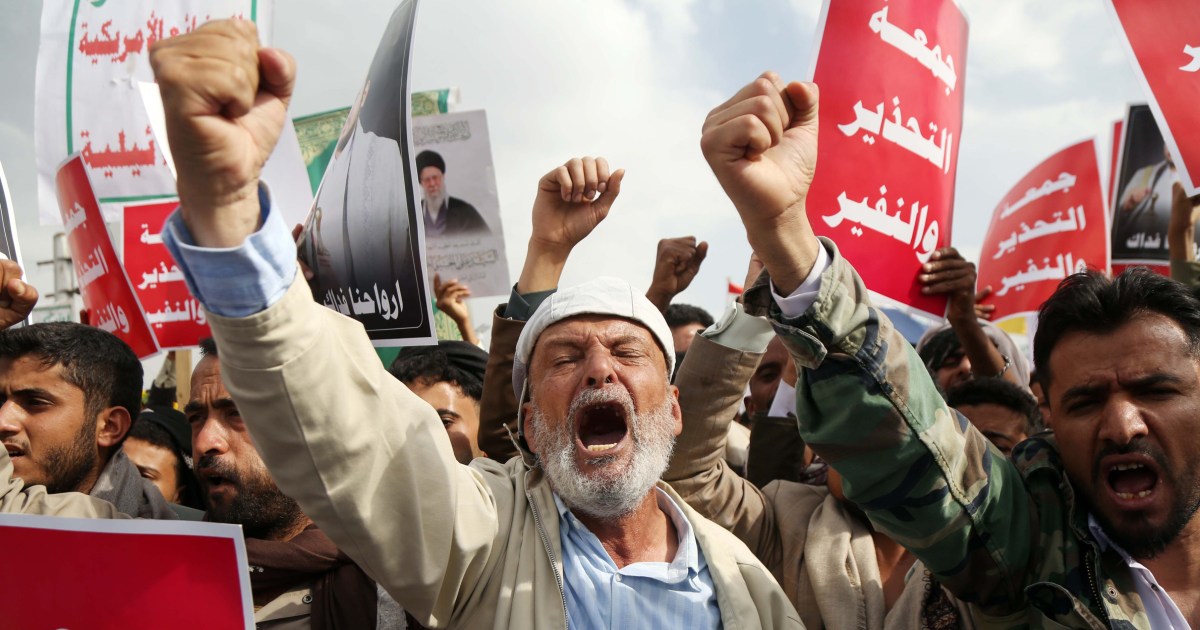
Yemen’s Houthis, who are aligned with Iran, have announced the imposition of a naval blockade against Saudi Arabia. This strategic move potentially escalates tensions in the region and represents a significant threat to global energy supplies and shipping routes beyond the Gulf. As the geopolitical landscape shifts, the implications of this blockade extend far beyond the immediate players involved.
Maritime Blockade Implications
The Houthis declared this blockade as a direct response to what they characterize as a hostile campaign waged by Saudi Arabia against Yemen. Their forces labelled the action as a “maritime embargo against the criminal Saudi enemy,” signaling a commitment to retaliatory measures. This blockade is viewed not just as a local dispute but as a strategy encouraged by Iran, which seeks to counteract U.S. influence in the Persian Gulf and limit Saudi capacity to export oil.
The blockade of the Bab el-Mandeb Strait, a critical maritime route connecting the Red Sea to the Gulf of Aden, poses severe risks to global oil supply. A complete closure of this strategic channel could cut around 7% of oil exports from Saudi Arabia, leading to significant disruptions in international markets already reeling from the impacts of ongoing conflicts in the region.
International Reactions
As potential repercussions of the blockade set in, Saudi Arabia has yet to issue an official response. However, the implications of reduced oil supply may lead to increased tensions, especially in light of recent U.S. military actions that have stirred the pot within this fragile geopolitical context. The Houthis claim their blockade is a defense against an “unjust siege” against their nation, positioning their actions within a framework of resistance and self-defense.
This development has emerged amid attempts from both Iran and the U.S. to revive diplomatic discussions aimed at reducing hostilities. A senior Iranian official recently acknowledged that Tehran had received proposals for a potential cease-fire, which indicates that despite the escalating military actions, there remains a desire for negotiation. Such efforts are crucial, as the region has seen escalating violence and warfare that jeopardizes any hope for peace.
Market Reactions and Future Prospects
Following the announcement of the blockade, oil prices saw a sharp increase, briefly soaring above $90 a barrel. This uptick illustrates the immediate market reactions to geopolitical unrest, particularly in key crude oil transit zones like the Strait of Hormuz and Bab el-Mandeb. However, prices later stabilized as news emerged that diplomatic engagements and proposals were still on the table, suggesting that a resolution may yet be possible.
The juxtaposition of military actions and diplomatic efforts reflects a complex situation where each move is geared towards gaining leverage. In parallel, Iran’s recent entreaties for Pakistan to re-engage in mediation highlight the broader regional dynamics at play. As nations jockey for position, the potential for both heightened conflict and diplomatic resolution remains.
In summary, the current blockade imposed by the Houthis presents significant challenges not only for Saudi Arabia but also for the stability of global energy markets. As the situation develops, stakeholders must navigate the fine line between confrontation and diplomacy, with the understanding that the outcome will reverberate well beyond the region.