
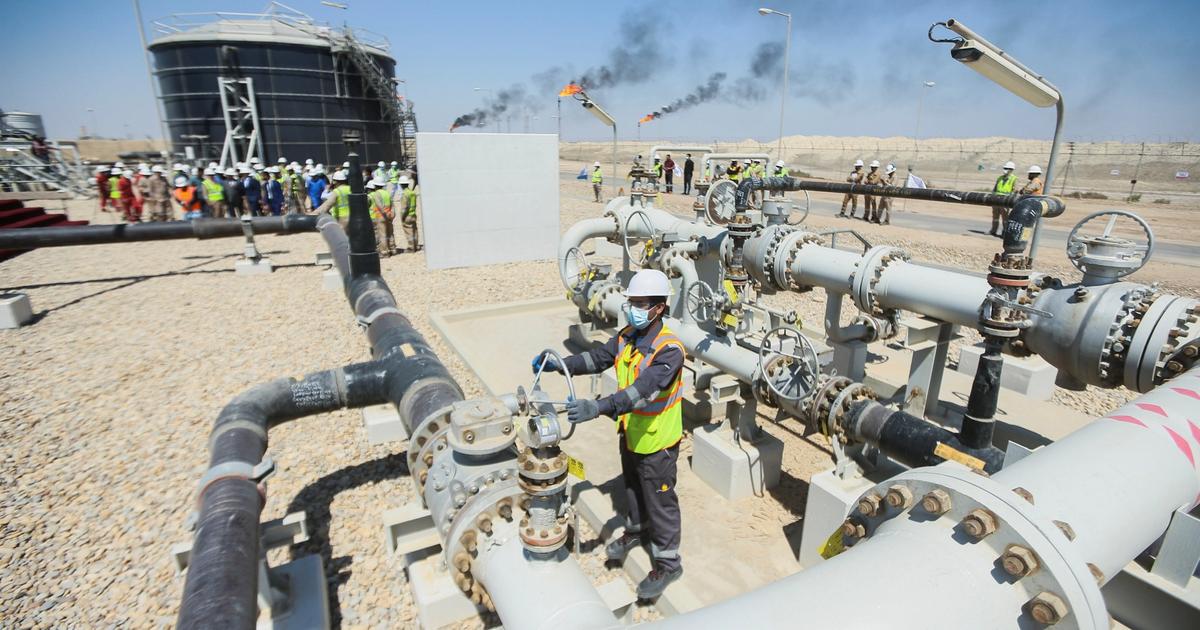
Chevron has partnered with Qatari conglomerate Power International Holding to revitalize an oil pipeline connecting Iraq and Syria. This strategic link has the potential to transport up to 2 million barrels of oil per day from Iraq, effectively bypassing the critical Strait of Hormuz. The agreement underscores the growing influence of Qatari enterprises in Syria, where Gulf states are actively seeking to establish a foothold amid the country’s reconstruction efforts. Backed by U.S. support, this involvement aims to transform Syria’s infrastructure, making it a geopolitical buffer designed to limit Iranian influence in the region.
Strategic Importance of the Iraq-Syria Oil Pipeline
The revitalization of the Iraq-Syria oil pipeline is essential for multiple reasons. By creating alternatives to the Strait of Hormuz, the project aims to enhance oil security and ensure a reliable flow of energy resources. The Strait of Hormuz is a vital maritime route, and any geopolitical tension can threaten the stability of oil exports. In light of this, the reopening of the pipeline could provide a more controlled and secure channel for oil transportation, significantly impacting global oil markets.
The potential for transporting 2 million barrels per day is a noteworthy figure. It not only reflects Iraq’s capacity to contribute to global oil supplies but also illustrates the increasing collaboration between regional partners. This partnership represents a shift in the balance of power within Middle Eastern oil politics, as it allows Gulf nations to circumvent traditional routes and mitigate risks associated with geopolitical uncertainties.
Gulf Investments in Syria’s Reconstruction
The involvement of Qatari firms in Syria is part of a broader strategy by Gulf nations to capitalize on the ongoing reconstruction efforts amid a tumultuous political landscape. As Syria works to rebuild its war-torn infrastructure, investments from Gulf countries are seen as a pathway to foster development while simultaneously narrowing Iranian influence in the Levant. The successful establishment of the pipeline could pave the way for further investments, as improved infrastructure often attracts more business opportunities.
With the backing of the United States, these investments are not merely economically motivated but also serve a geopolitical purpose. By fostering a more stable environment in Syria through economic development, Gulf countries aim to counterbalance Iranian power in the region.
Future Outlook for Oil Transportation in the Region
In the bigger picture, the Iraq-Syria pipeline is one project among many that aim to create alternative oil transport routes in the Middle East. According to estimates from Goldman Sachs, about 60% of the pre-war oil flow through the Strait of Hormuz could potentially be redirected through new pathways by the end of 2028. This shift could significantly alter global energy markets and influence the dynamics of oil supply beyond traditional reservoirs.
As nations consider options for enhancing energy security, projects like the Iraq-Syria pipeline could revolutionize how oil is transported in and out of the region. The collaboration between Chevron and Power International Holding serves as a symbolic and strategic move that highlights the evolving landscape of Middle Eastern oil transport, ultimately shaping the future of energy politics on a global scale.
In conclusion, the revival of the Iraq-Syria oil pipeline not only stands to provide economic benefits but also to reshape geopolitical alliances in the region. As Gulf states continue to invest in reconstruction efforts, the interplay between energy security and political influence will remain a crucial focal point for both regional and global stakeholders.