
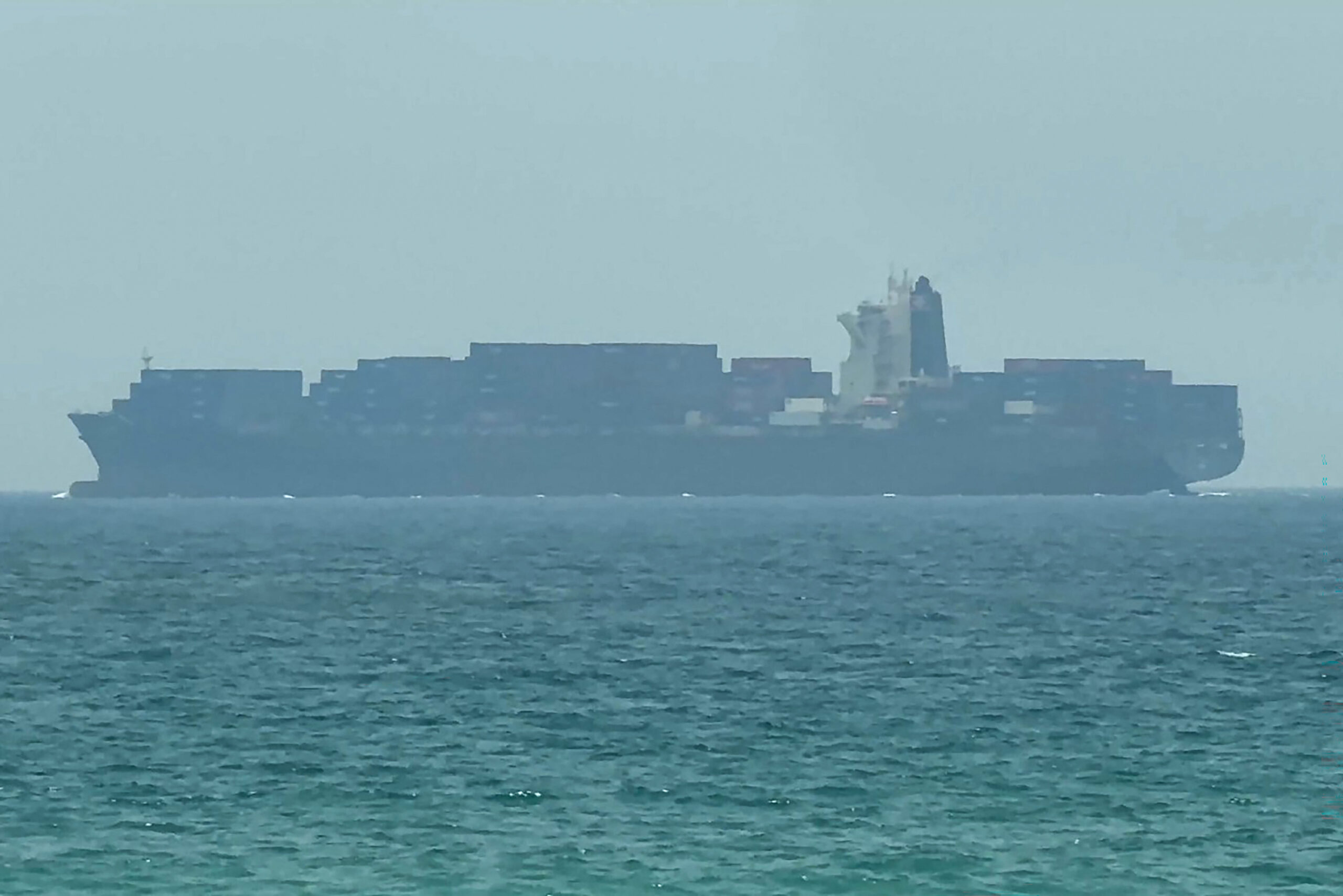
In recent developments, tensions in the Middle East have escalated significantly, particularly following the breakdown of the agreement between the United States and Iran. This situation has led to a series of military actions, with Iran engaging in numerous attacks targeting various neighboring countries. The implications of these conflicts extend to global shipping routes and regional security alliances.
Escalating Hostilities and Regional Impact
In the last weeks, Iran has launched numerous assaults on countries such as Jordan, Saudi Arabia, Iraq, Bahrain, Kuwait, Qatar, and the United Arab Emirates. These actions came in the wake of the U.S. military response, which also faced its own challenges. U.S. bases across the region have been under constant threat, resulting in casualties among American service members. Additionally, Iran has placed commercial vessels navigating through the critical Strait of Hormuz under fire, raising significant concerns for international trade and energy supplies.
As these tensions grow, Israel has maintained a position of non-involvement in the current military exchanges, despite Iran’s warnings to target the nation if U.S. attacks persist. Israel’s decision to stay disengaged stems from the recognition that the strategic focus regarding the Strait of Hormuz lies primarily with U.S. objectives rather than Israel’s own strategic goals. Public sentiment in Israel reflects a desire for security, particularly in light of the ongoing conflicts.
Israel’s Strategic Perspective
Israel’s primary aims include tangibly hindering Iran’s ballistic missile capabilities and undermining aspects of its nuclear development. The situation surrounding the Strait of Hormuz is rooted in American interests; thus, Israel’s calculations indicate that the most immediate threats from Iran have been temporarily mitigated. This has transitioned the mission’s focus primarily to the Americans. Experts suggest that Israel should remain cautious, waiting for either a strategic request from Washington to engage or a direct attack from Iran that would necessitate a substantial Israeli response.
Iran’s ongoing hostilities seem to be designed to assert dominance and exert pressure on Arab nations to influence U.S. responses concerning the reopening of shipping lanes. Tehran appears to believe that sustained military actions could compel neighboring states to advocate for concessions from the US. They strategically tailor their escalation based on anticipated retaliation, aware that Arab states are more apprehensive about military responses compared to Israel.
Israeli Restraint and Future Considerations
In a recent address, Israeli Prime Minister Benjamin Netanyahu underscored the seriousness of any aggression directed at Israel. He explicitly cautioned Iranian leaders, emphasizing that previous responses would not repeat and that any future attacks would face a significantly stronger retaliation. Despite the ongoing conflict and Iran’s antagonistic stance, Arab states have largely refrained from escalating their military posture in response to Iranian actions.
The situation leaves many in Israel wondering about the timeline for continued regional stability. Unless Iran engages in direct hostilities that threaten Israeli interests, there is limited inclination to transform the current U.S.-led initiative aimed at ensuring safe passage through shipping routes into full-scale military engagement. Israel’s current approach emphasizes deterrence, prioritizing long-term strategic interests over immediate military involvement. The focus remains on maintaining regional stability, while carefully monitoring the evolving dynamics of Iranian aggression.