
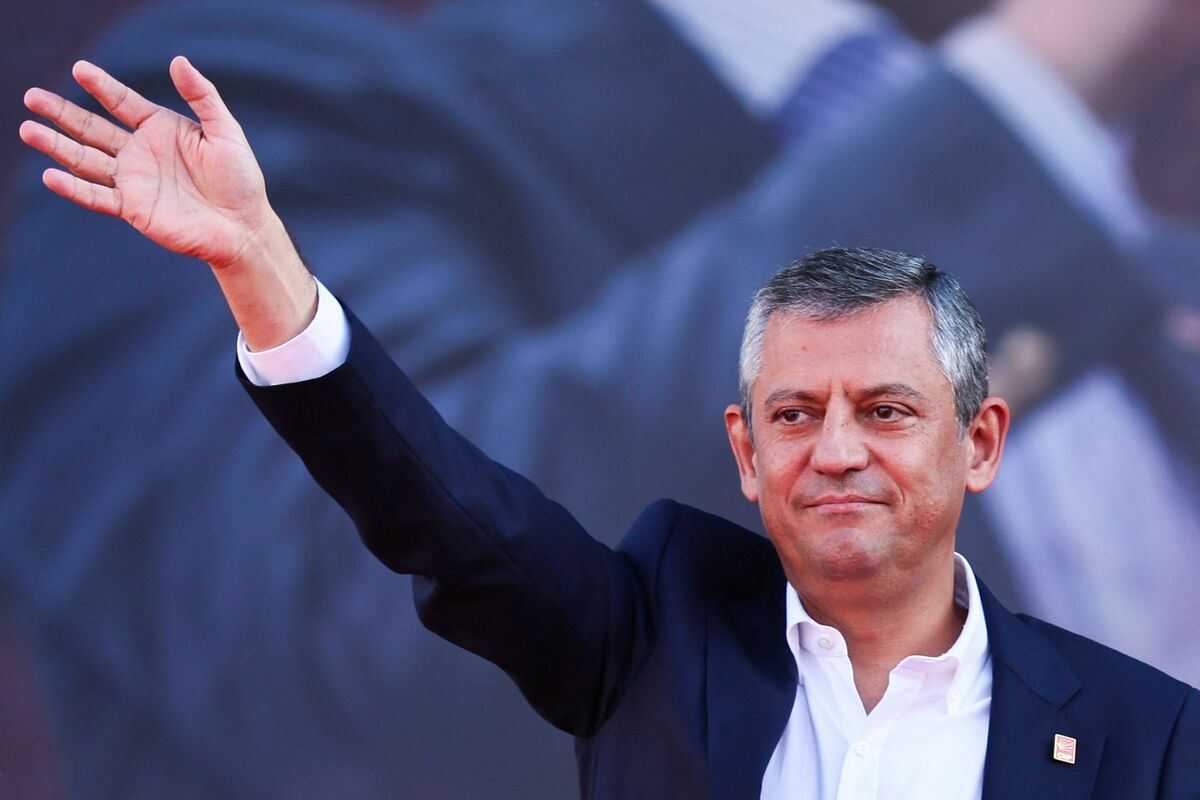
Ozgur Ozel, the ousted leader of Turkey’s primary opposition party, has declared his intention to form a new political party. This move aims to reinvigorate a fractured opposition landscape that has been struggling with internal conflicts and challenges.
The Context of Ozel’s Decision
Turkey’s political environment is increasingly tumultuous, marked by polarizing views and significant political shifts. Ozel’s announcement comes at a time when the opposition faces pressure from the ruling party and is grappling with a loss of unity. His decision can be seen as an attempt to channel the desires of voters who are eager for change while addressing the factional disputes within the opposition ranks.
Goals of the New Party
Ozel’s new political venture is likely to focus on several key objectives. First, it intends to create a more cohesive force that can challenge the current government effectively. By bringing together various factions of the opposition, the party aims to foster collaboration and boost morale among supporters. Second, Ozel’s leadership could attract disillusioned voters who have turned their backs on traditional political avenues. The creation of a fresh political entity may provide these individuals with renewed hope.
Challenges Ahead
The path to establishing a successful new party is fraught with challenges. The opposition in Turkey has faced considerable obstacles, including strategic missteps and a lack of coherent messaging. As Ozel embarks on this journey, he will need to navigate these issues skillfully. Gaining traction and credibility among the electorate will be essential to ensure the viability of the new party. Additionally, he must address the pressing concerns of citizens, such as economic hardship and governance issues, to resonate with them effectively.
Implications for Turkey’s Political Landscape
Ozel’s initiative could lead to significant changes in Turkey’s political scene. A reformed opposition could impact the dynamics of power, especially if it garners sufficient support to challenge the ruling party effectively. The success of this new party could inspire similar movements across the region, prompting a reevaluation of political strategies. For voters, this shift could signal a time of renewed engagement and a potential turning point in Turkey’s political discourse.
In summary, Ozgur Ozel’s announcement of creating a new political party is a strategic move aimed at revitalizing the disarrayed opposition in Turkey. The effectiveness of this initiative will depend on its ability to unify various factions and appeal to the electorate’s demands. As the political landscape evolves, the implications of this move could resonate far beyond Turkey’s borders.