
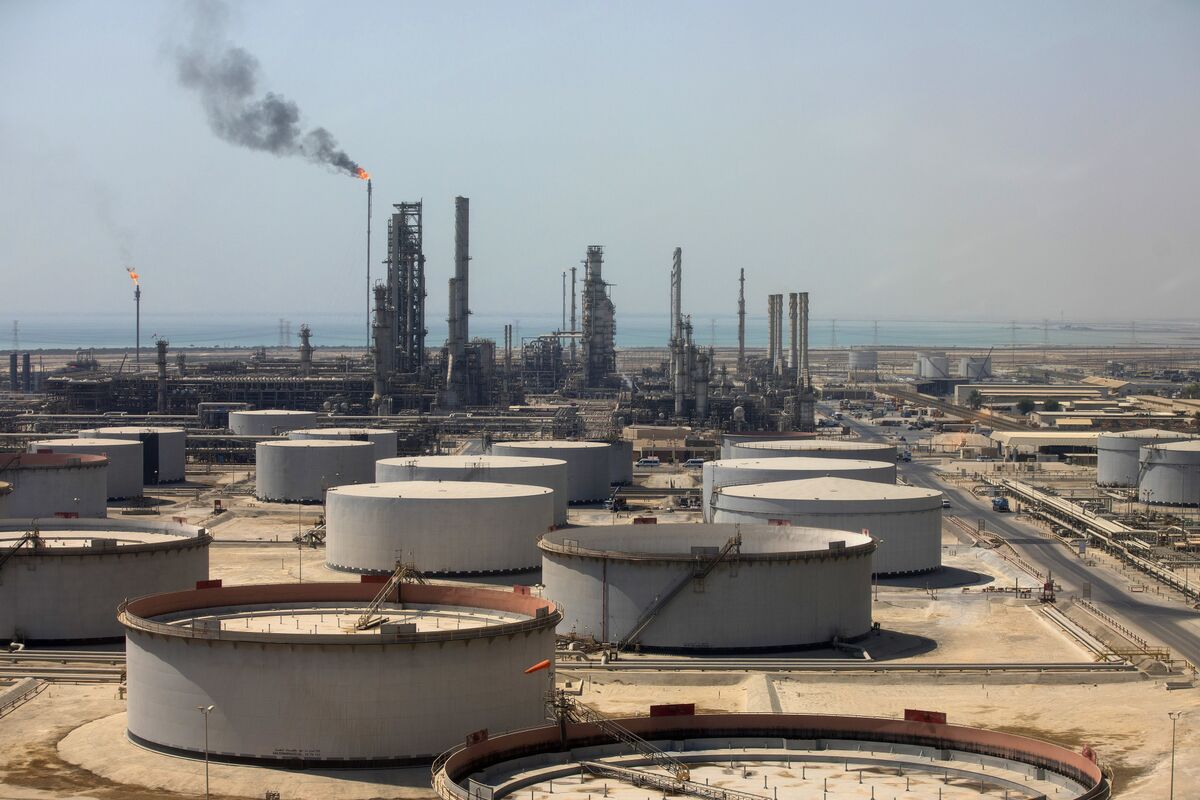
Saudi Arabia has recently witnessed a significant surge in crude oil exports from its Red Sea terminals. This uptick comes just ahead of recent declarations by the Houthis, who threatened to obstruct these shipments. The situation has heightened global attention due to the potential implications for oil prices and supply chains.
Surge in Crude Oil Exports
In the weeks leading up to the Houthi announcement, Saudi Arabia achieved record levels of crude oil exports. This aggressive push in production can be attributed to various factors, including increasing global demand and the kingdom’s strategic positioning in the oil market. As countries worldwide recover from economic disruptions, demand for energy resources has surged, compelling Saudi Arabia to capitalize on favorable conditions.
The country’s export channels in the Red Sea have proven crucial in sustaining its oil supply. By focusing operations on this maritime route, Saudi Arabia has gained a competitive edge, thereby enhancing its market share while mitigating potential risks tied to transportation via other routes. This strategy not only secures the nation’s revenue but also strengthens its influence in the energy sector.
Houthi Threats and Regional Stability
The threats issued by the Houthis to block shipments have raised concerns over regional stability and the impact on global oil prices. As a key player in OPEC, any disturbances to Saudi Arabia’s oil supply could reverberate through international markets. Should the Houthis carry out their threats, it could lead to increased volatility, prompting concerns among investors and fueling speculation about future supply constraints.
The geopolitical dynamics in the region are complex, and the situation is compounded by ongoing tensions involving various factions. Stakeholders in the global oil market are closely monitoring developments to gauge how such events might impact pricing and availability. Analysts warn that potential disruptions can lead to spikes in oil prices, affecting economies that are heavily reliant on stable energy resources.
Future Implications for Global Oil Markets
As Saudi Arabia continues to navigate these challenges, its decisions will undoubtedly play a pivotal role in shaping the future of global oil markets. The kingdom’s ability to maintain production levels in the face of threats is crucial for its partners and clients around the world. Furthermore, if the Houthis proceed with their plans, the ripple effects could influence policy decisions within OPEC and among other major oil-producing nations.
In this high-stakes environment, energy security has never been more critical. Countries across Asia and Europe, among others, are grappling with the potential fallout from any interruptions in the Middle East oil supply. As they seek to secure alternative energy sources or build reserves, the dynamic between suppliers and customers will continue to evolve.
Conclusion
In conclusion, Saudi Arabia’s record crude oil exports signal its commitment to maintaining its position as a leading energy supplier. However, the looming threats from the Houthis highlight the fragile nature of the region’s geopolitical landscape. The coming weeks will be crucial for Saudi Arabia as it balances domestic production with external challenges, while the global market remains vigilant, prepared for any shifts that could impact energy prices and availability.